
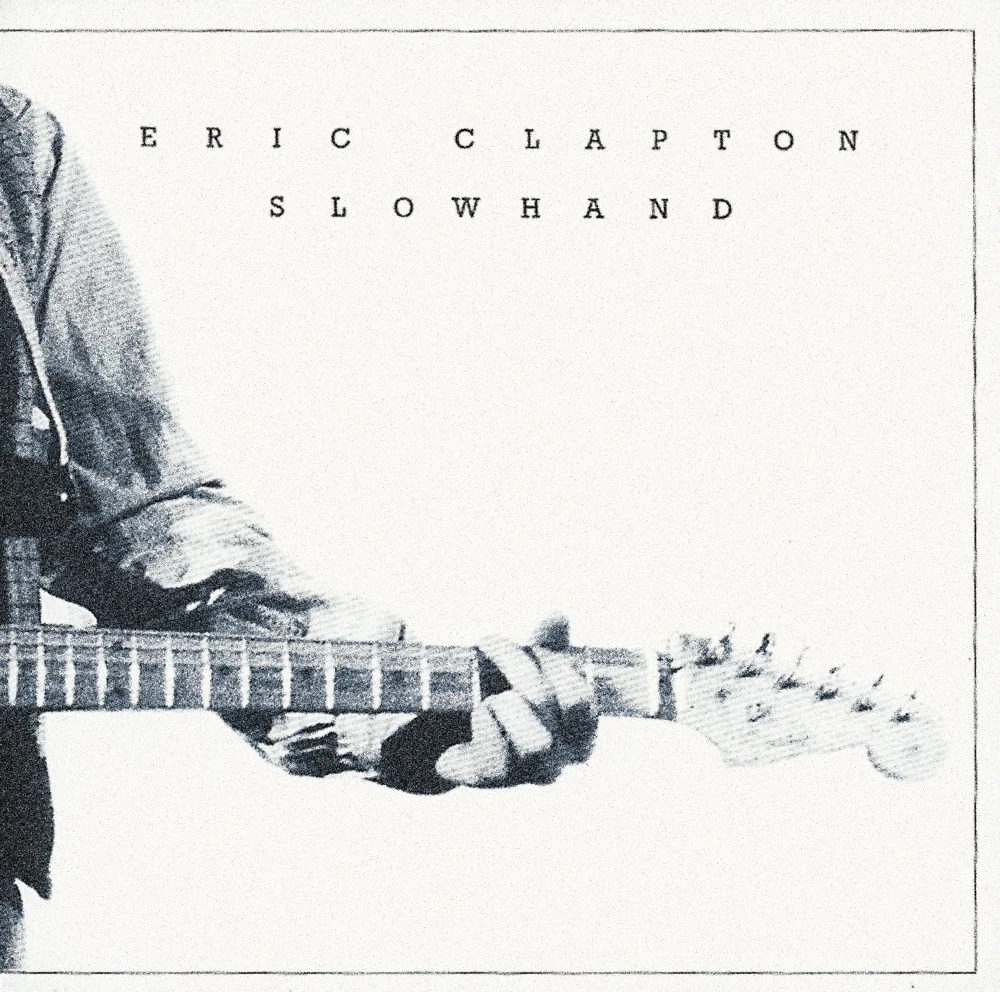
A Masterclass in Understatement
Wonderful Tonight is the ultimate example of "less is more." Written by Eric Clapton for his then-wife Pattie Boyd, the song appeared on the 1977 album Slowhand. Unlike power ballads that require high belting and acrobatic runs, this track relies entirely on tone, phrasing, and sincerity.
The challenge here isn't hitting high notes; it's maintaining a consistent, warm chest resonance without sounding bored or flat. The vocal delivery sits squarely in the speech-level range, making it perfect for baritones and beginners learning to control their breath.
AI Coach Tip: Relax Your Jaw
Because the range is low, singers often drop their chin, compressing the larynx. Our analysis shows that users score higher when they maintain a neutral head position and a relaxed jaw, keeping the tone "buzzy" and forward.
Phase 1: The Verses (Speech Level)
The verses ("It's late in the evening...") hover around G3 and C4. This is conversational territory. Clapton uses a slightly breathy onset to start phrases, which gives the song its intimate feel.
The Trap: Because it's low, many singers lose energy. Even though it's soft, you need diaphragmatic support to keep the pitch from going flat, especially at the ends of phrases like "wondering what clothes to wear."
Phase 2: The Chorus (Smooth Transitions)
The transition into "And then she asks me..." requires a smooth legato line. You aren't jumping high, but you are lifting the energy. When you hit the word "Wonderful," avoid pushing or shouting. It should feel like a sigh of relief, not a shout.
- Consonants: Soften your 'T's and 'D's. Hard consonants will break the romantic mood.
- Vowels: Modify "Wonderful" to sound more like "Wuhn-der-ful" to keep the throat open.
Phase 3: The Bridge (The Peak)
The bridge ("I feel wonderful because I see the love light...") contains the highest energy of the song, touching an E4. While still in chest voice, this note requires a bit more "twang" or brightness to cut through.
Clapton adds a slight rasp here for emotion. To do this safely, focus on emotional connection rather than physical squeezing. Think of the lyrics and let your voice follow.
Frequently Asked Questions
The highest note is an E4 (in the bridge). It is a very accessible note for almost all male voice types without needing falsetto.
Yes. It is one of the best songs to start with. The melody moves stepwise (no big jumps), and the tempo allows you plenty of time to breathe and think about your next note.
Use "air" in your voice. Allowing a little more air to escape with the sound (breathy tone) creates a sense of vulnerability suited for this ballad.