 Singing Coach AI
The Most Covered Song in History
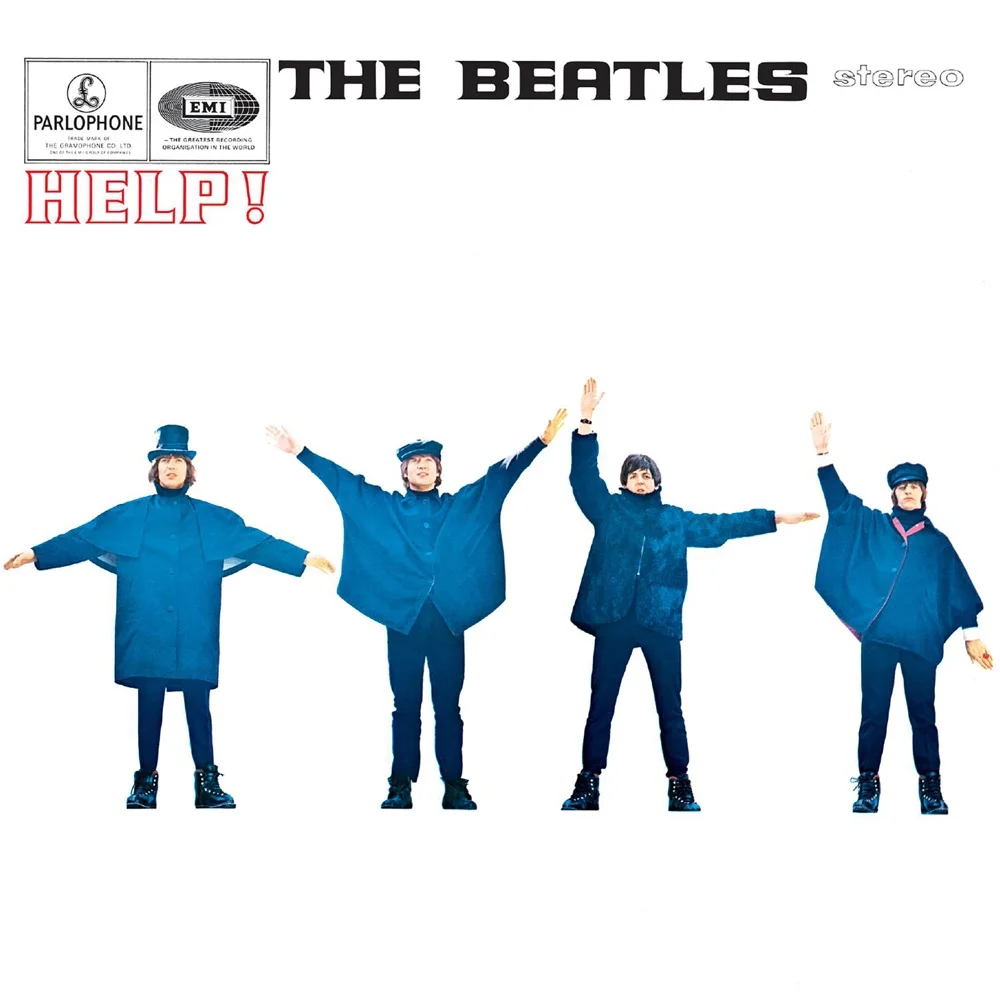
"Yesterday" is a masterclass in simplicity and vulnerability. Released on the 1965 album Help!, it features Paul McCartney accompanied only by an acoustic guitar and a string quartet. It was a radical departure for a rock band at the time, and to sing it effectively, you must strip away all vocal affectations.
Unlike power ballads that rely on belting, this song demands consistency in the lower-middle register and a seamless legato (smooth, connected notes). The challenge is keeping the pitch perfect while singing quietly.
Phase 1: The Verse (0:00 - 0:48)
The song opens on an F chord (sounding pitch) with the word "Yesterday." This first note sets the mood for the entire track. It needs a soft onset—don't attack the note hard. Think of sighing into the pitch.
The Trap: The phrase "far away" drops down low (to an E3/F3 range). Singers often lose energy here, causing the pitch to go flat. Keep your breath support engaged even as the volume drops.
Phase 2: The Bridge (0:48 - 1:12)
The emotional lift happens here: "Why she had to go, I don't know..." The melody ascends to its highest point (E4-F4). Paul McCartney uses a slightly brighter tone here, but he never shouts.
- Why she: This interval jump is crucial. Keep your soft palate raised to avoid a nasal sound.
- I don't know: This descending run must be rhythmically precise. Do not rush it.
- She wouldn't say: This resolves the tension. Bring the volume back down immediately after this line.
Phase 3: The Humming Outro (1:55 - 2:05)
The song ends with a hum over the final string arrangement. While it seems simple, humming requires forward placement (resonance in the "mask" or front of the face) to be heard clearly without sounding muffled. If you feel a buzz in your lips, you are doing it correctly.
Ensure you hold the final note until the guitar completely fades out to maximize your sustain score.