 Singing Coach AI
A Masterclass in Sincerity
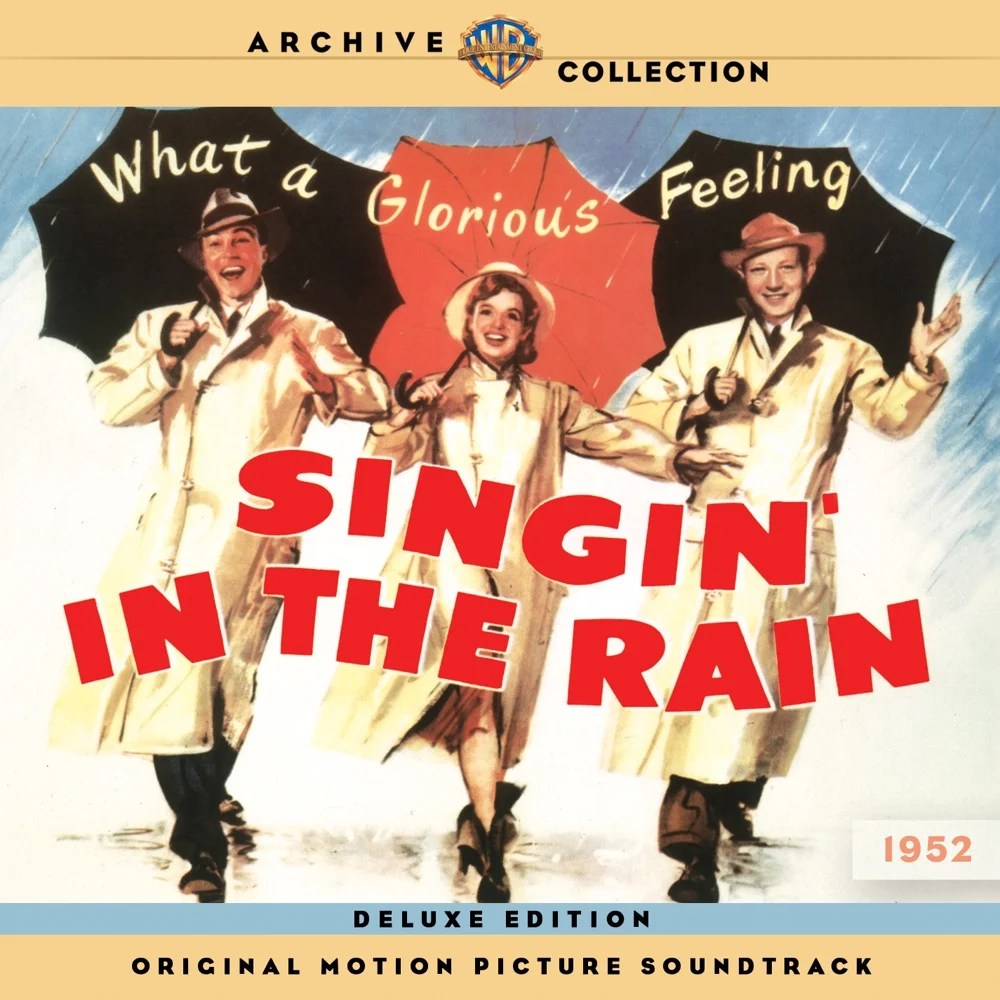
"You Were Meant for Me" is a cornerstone of American musical theatre. Written by Nacio Herb Brown and Arthur Freed, and immortalized by Gene Kelly in 1952's Singin' in the Rain, this song proves that you don't need high notes to be compelling. You need heart, breath control, and impeccable phrasing.
Unlike modern pop ballads that rely on belts and runs, this track requires a "crooner" approach. The goal is to make the audience feel like you are speaking directly to them in an intimate setting. Let's break down the technique required to achieve that Gene Kelly charm.
Phase 1: The Conversational Intro (Verse)
The song often begins with a verse ("I've laughed at love..."). In the movie version, Gene Kelly delivers this almost like spoken dialogue set to music. This is called parlando.
The Trap: Don't try to "sing" this part too beautifully. It should sound thoughtful and slightly hesitant. Keep the volume low and the tone conversational.
Phase 2: The Chorus Entry
When you hit the main line, "You were meant for me," transition into a warm, connected legato sound. This means there should be no gaps of silence between the words. Visualize the melody as a single, unbroken ribbon.
Keep your larynx neutral. If you try to add too much "pop" brightness, you will lose the vintage warmth that defines the style. Think of yawning slightly to keep the back of the throat open.
Phase 3: The Emotional Climax
The bridge section, "Angels must have sent you," offers a slight lift in pitch and intensity. However, do not belt this. Instead, simply allow a little more air pressure to support the tone.
Gene Kelly's genius was his ability to smile while singing, which naturally brightens the tone and improves pitch accuracy. Try physically smiling during the "and they meant you just for me" line to capture that optimism.