 Singing Coach AI
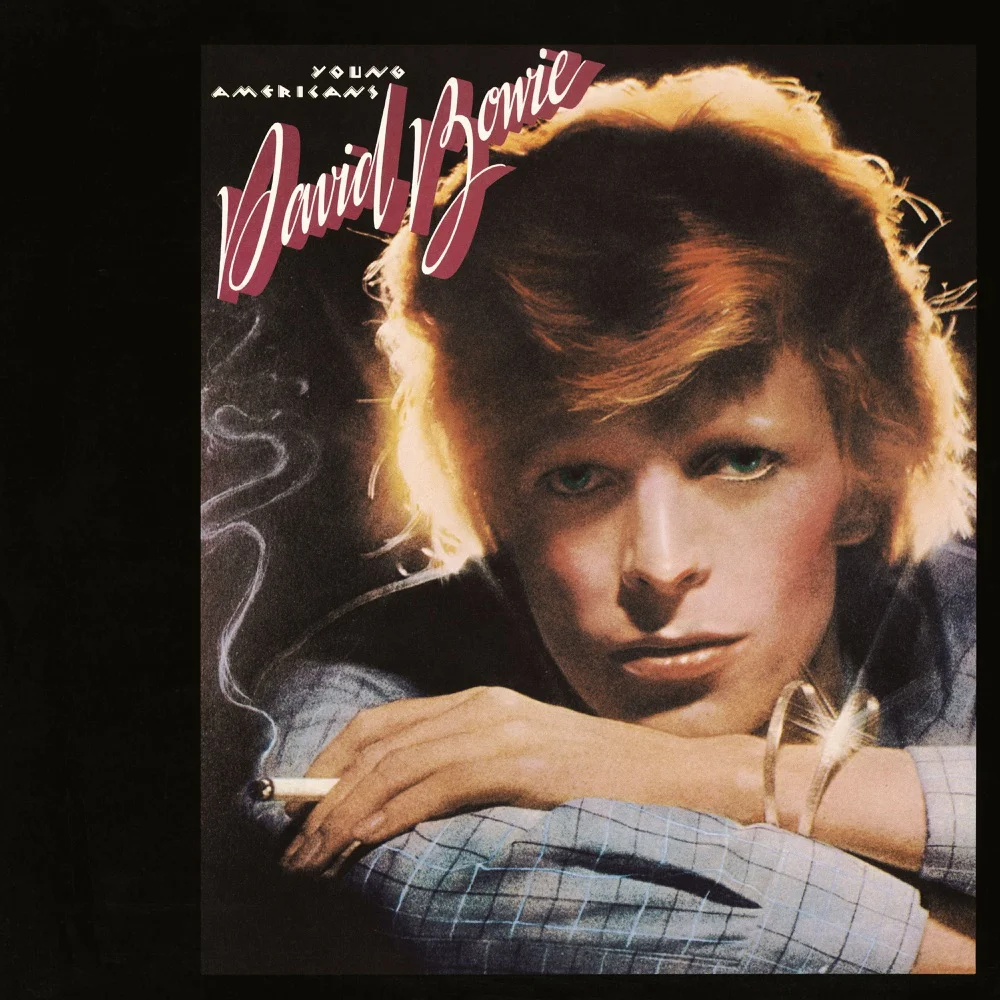
Mastering the "Plastic Soul" Sound
"Young Americans" is a tour-de-force of blue-eyed soul. Recorded in Philadelphia in 1974, David Bowie moved away from the sci-fi characters of his past to create a sound he described as "plastic soul." The song is dense, lyrical, and relentlessly rhythmic.
Unlike a standard rock song where you can sit back on the beat, this track demands that you stay right on top of it. The vocal line weaves in and out of the saxophone riffs, requiring impeccable timing and stamina.
Phase 1: The Rapid-Fire Verses
The song starts in a major key with a breathless delivery. The line "They pulled in just behind the bridge" sets the pace. You need to keep your voice light and forward-placed.
The Trap: Running out of air. Bowie packs a lot of syllables into each measure. Learn to take "sip breaths"—tiny, quick inhalations through the mouth—at the punctuation marks in the lyrics. Do not try to take deep lungfuls of air, or you will fall behind the beat.
Phase 2: The Soulful Chorus
When the chorus hits ("All night, she wants the young American"), the melody opens up. This is where you switch from the staccato verse style to long, legato vowels.
- Vowel Shaping: Open your mouth taller on "All night" and "Young." This creates the resonant, soulful tone associated with the genre.
- Backing Vocals: The song relies heavily on call-and-response. If you are singing lead, keep your volume steady and let the backing track fill the spaces.
Phase 3: The Breakdown (4:00+)
The emotional peak of the song occurs near the end with the line, "Ain't there one damn song that can make me break down and cry?" This requires a shift in attitude.
This section sits high in the chest voice (hitting G#4s). To reach this comfortably without straining, engage your diaphragm and lean into the emotion rather than just shouting. A little vocal "fry" or grit here is stylistically appropriate.