 Singing Coach AI
Mastering the Europop Melancholy
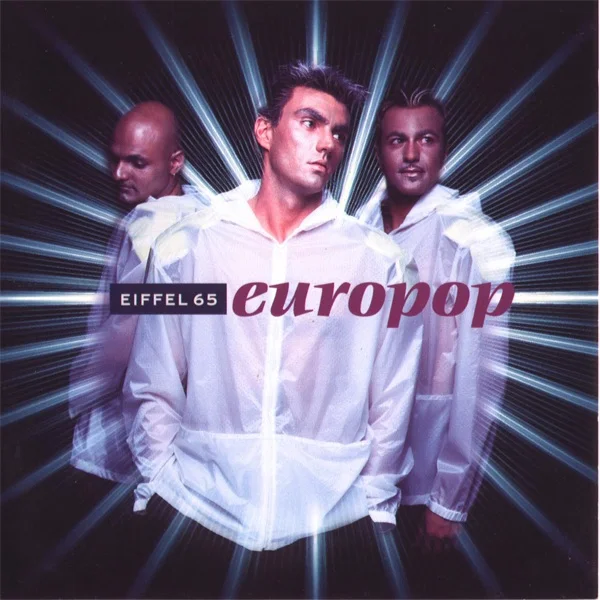
"Your Clown" is a standout track from Eiffel 65's 1999 album Europop. Unlike their high-energy hit "Blue (Da Ba Dee)," this song combines a sombre, emotional narrative with an upbeat synth tempo. This creates a unique vocal challenge: maintaining emotional gravity without dragging the tempo down.
Jeffrey Jey's vocal performance is characterized by a robotic yet soulful precision. The key to scoring high on this track isn't vocal acrobatics, but rather pitch stability and rhythmic tightness. Let's break down how to approach it.
Phase 1: The Monotone Verse
The verses sit in a comfortable Baritone range (around A2-C4). The melody is relatively static, often repeating the same note. This sounds easy, but it requires excellent breath support to prevent the pitch from wavering.
The Trap: Because the melody is repetitive, singers often get lazy with diction. Ensure you articulate the consonants crisply, especially on the beat, to match the mechanical feel of the backing track.
Phase 2: The Chorus Hook
The chorus ("Nobody wants to be your clown...") opens up slightly higher. The interval jump here needs to be clean. The emotion should come from the tone color—think slightly darker and "sad"—rather than volume dynamics.
- Phrasing: The lines are long. Take a deep, low breath before the chorus hits.
- The "Clown" Note: Sustain this note clearly. Don't slide off it too quickly.
- Timing: The synth bass is your metronome. Lock your vocals strictly to the grid.
Phase 3: The Electronic Texture
While the original track uses vocal processing (vocoders/pitch correction), you can mimic this effect acoustically by stepping directly from note to note without "scooping" (sliding up to the pitch). This digital precision is the hallmark of the Europop genre.