 Singing Coach AI
The Ultimate Country-Pop Crossover
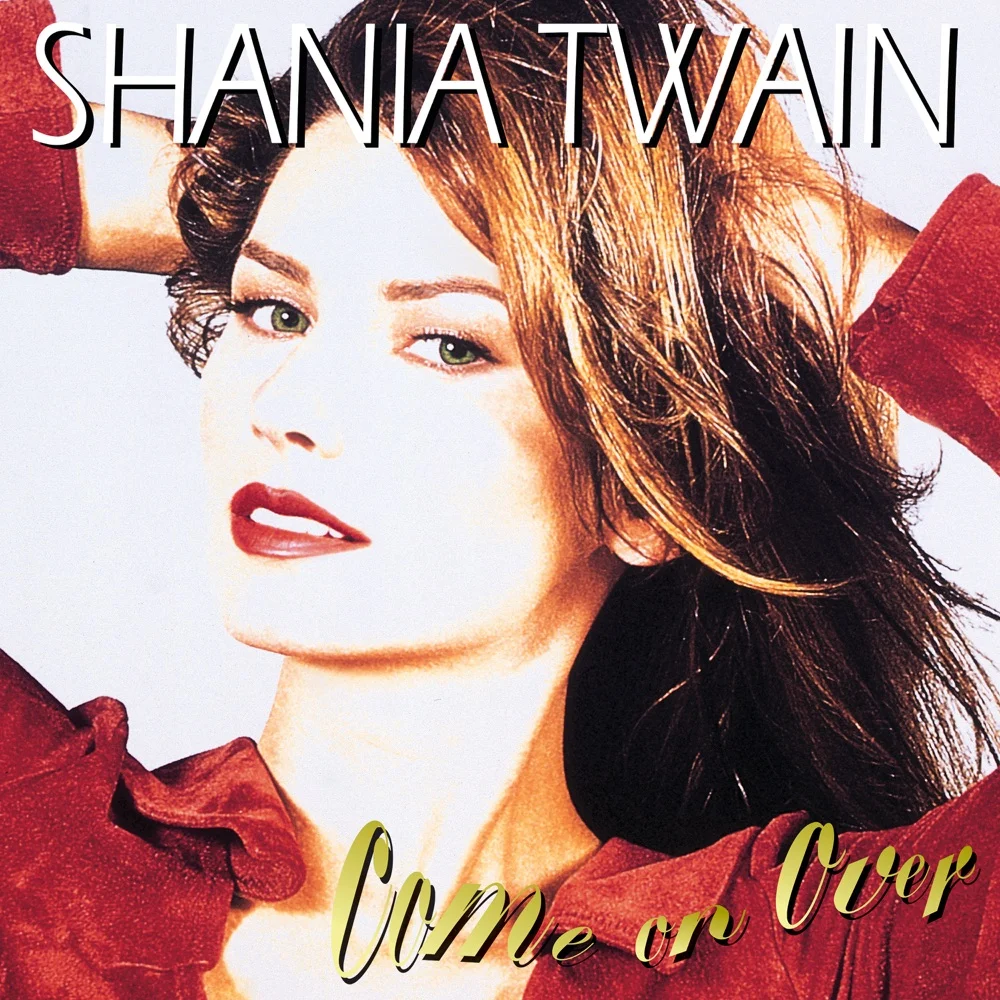
Released on Shania Twain’s massive 1997 album Come On Over, "You’re Still the One" is a masterclass in controlled, emotional singing. Unlike power ballads that rely on high belts, this song derives its power from intimacy, storytelling, and a smooth, consistent tone.
The track blends country instrumentation with pop production nuances. To sing it effectively, you need to balance the conversational nature of the verses with the melodic lift of the chorus, all while maintaining a rich chest resonance.
Phase 1: The Intimate Verse (0:00 - 1:00)
The song starts with a spoken word intro (optional in karaoke) and moves into the first verse: "When I first saw you, I saw love." This sits low in the range. The goal here is legato—smooth, connected singing.
The Trap: Because it is quiet, singers often hold their breath. This causes the pitch to wobble. Keep the air flowing consistently, even at low volumes, to stabilize the pitch.
Phase 2: The Chorus Lift (1:00 - 1:44)
The chorus ("You're still the one I run to") brings a melodic lift. Shania uses a stylistic "scoop" into the notes here, sliding slightly from below the pitch up to the target note.
- The Hook: The melody is repetitive but catchy. Focus on the rhythm and the slight syncopation.
- Tone: Avoid a bright, nasal "twang" unless you are going for a very traditional country sound. Shania’s tone is rounder and more pop-forward here.
- Harmonies: If you are singing with a backing track that includes harmonies, make sure your lead vocal stays dominant and centered.
Phase 3: The Bridge & Dynamics (2:30 - End)
The bridge ("I'm so glad we made it") offers a chance to increase the dynamics. While you don't need to belt a high C5 here, you should increase the volume and intensity to contrast with the gentle verses. The song fades out with ad-libs; this is your chance to improvise within the Eb Major scale.