 Singing Coach AI
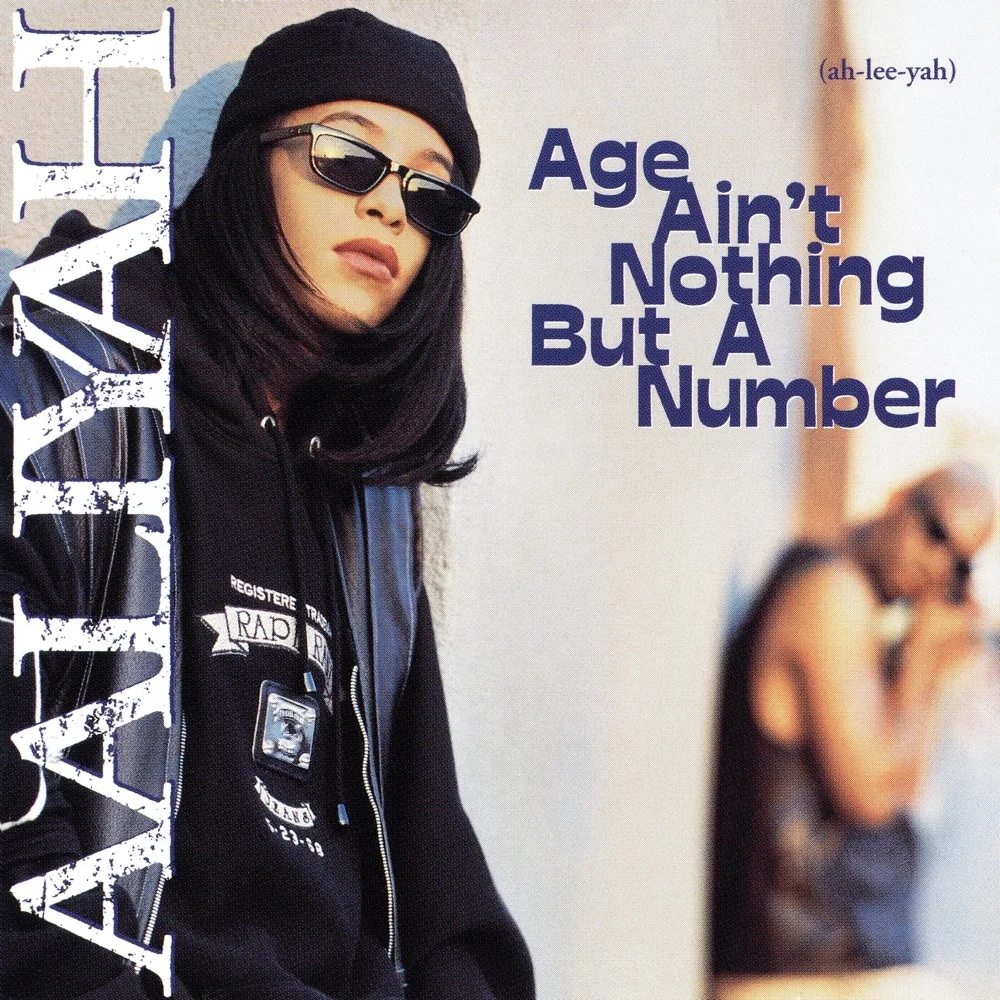
The Masterclass in Angelic Falsetto
Originally recorded by The Isley Brothers, Aaliyah’s 1994 cover of "At Your Best (You Are Love)" became an R&B standard defined by its whisper-soft vocals and intricate harmonies. Produced by R. Kelly, this track requires a completely different skillset than power ballads. It demands restraint, agility, and a "floating" tonal quality.
To sing this well, you cannot rely on sheer volume. You need excellent breath support to sustain the high notes without sounding strained or pitchy. Let's break down exactly how to tackle this delicate masterpiece, section by section.
Phase 1: The Verses (Mid-Range Control)
The song begins in E Major. The verses sit in a comfortable mid-range for Sopranos but can be tricky for lower voices due to the required lightness. The goal is to keep the sound "forward" in the mask (the front of the face) rather than letting it fall back into the throat.
The Trap: It is easy to go flat on the descending runs. Focus on "landing" on the notes gently rather than sliding off them. Precision is key here.
Phase 2: The Chorus (The Head Voice)
This is the signature of the song. The line "Let me know..." climbs into the upper register. For most female singers, this is pure head voice. For male singers, this requires a developed falsetto.
- Relax the Jaw: Tension in the jaw will kill the high notes. Keep it loose.
- Soft Onset: Do not attack the notes hard. Imagine you are sighing onto the pitch.
- Volume Control: The chorus should not be shouted. It should feel intimate, as if you are whispering in someone's ear, despite the high pitch.
Phase 3: The Climax & Ad-Libs
Towards the end, Aaliyah explores the very top of her range, hitting notes up to C#6. These are often described as whistle notes or very high head voice.
To hit these, you must eliminate all vocal weight. Think of the sound as a laser beam—small, focused, and bright. Use the Singing Coach AI app to visualize your pitch curve and ensure you aren't scooping up to these notes too slowly.