 Singing Coach AI
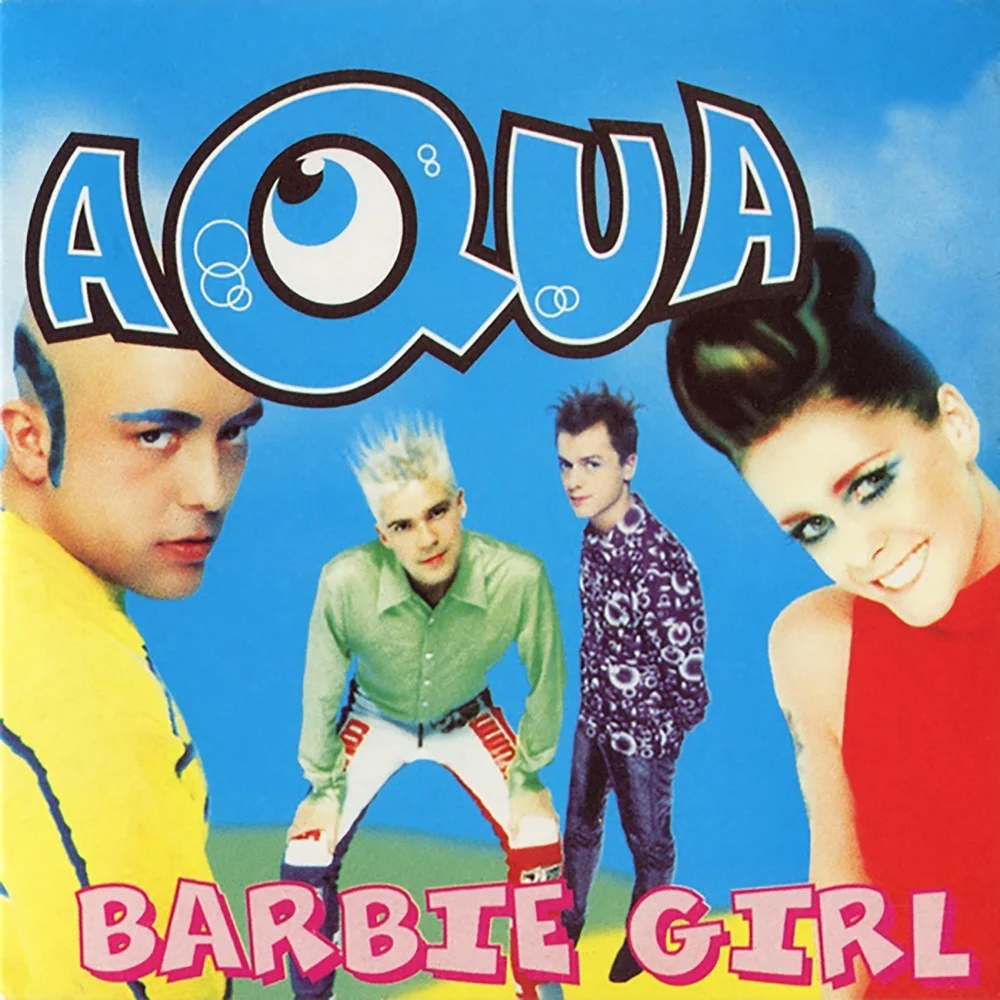
The Ultimate Eurodance Challenge
Barbie Girl isn't just a nostalgic 90s hit; it's a masterclass in vocal characterization. Released by Aqua on their 1997 album Aquarium, this track functions as a dialogue between two exaggerated personas: the high-pitched, bubbly "Barbie" (Lene Nystrøm) and the deep, raspy "Ken" (René Dif).
To sing this well, you need to master tone placement. It’s less about pure vocal power and more about resonance manipulation. Let's break down exactly how to tackle both roles or handle the lead melody.
Phase 1: The "Doll" Voice (Lene)
The song is primarily in C# minor. Lene's verses and chorus sit in a high, bright register. To achieve this sound, you need forward placement. Imagine aiming the sound right at your nose and upper teeth.
The Trap: The line "I'm a Barbie girl, in the Barbie world" is catchy but can sound flat if you use your speaking voice. You must brighten your vowels (smile while singing) to match the plastic, artificial aesthetic of the character.
Phase 2: The "Ken" Voice (René)
The contrast is key. René's lines, like "Come on Barbie, let's go party," are sung in a lower baritone range with a rougher texture.
- Resonance: Drop your jaw and feel the vibration in your chest. This needs to sound relaxed but assertive.
- Rhythm: The "Ken" parts are more rhythmic and staccato compared to the legato melody of the "Barbie" parts.
- The Growl: Use a slight vocal fry or grit to differentiate this character from the clean soprano lines.
Phase 3: The Bridge (2:06 - 2:38)
The bridge ("Make me walk, make me talk...") shifts slightly in intensity. Here, Lene sustains higher notes (hitting C#5). This requires good breath support. Do not let the "character" voice compromise your pitch accuracy here.
The final "Ooh, I'm having so much fun!" is a descending run that requires agility. Practice this slowly to ensure every note is distinct before speeding up to the dance tempo.