 Singing Coach AI
The Folk-Rock Anthem Reimagined
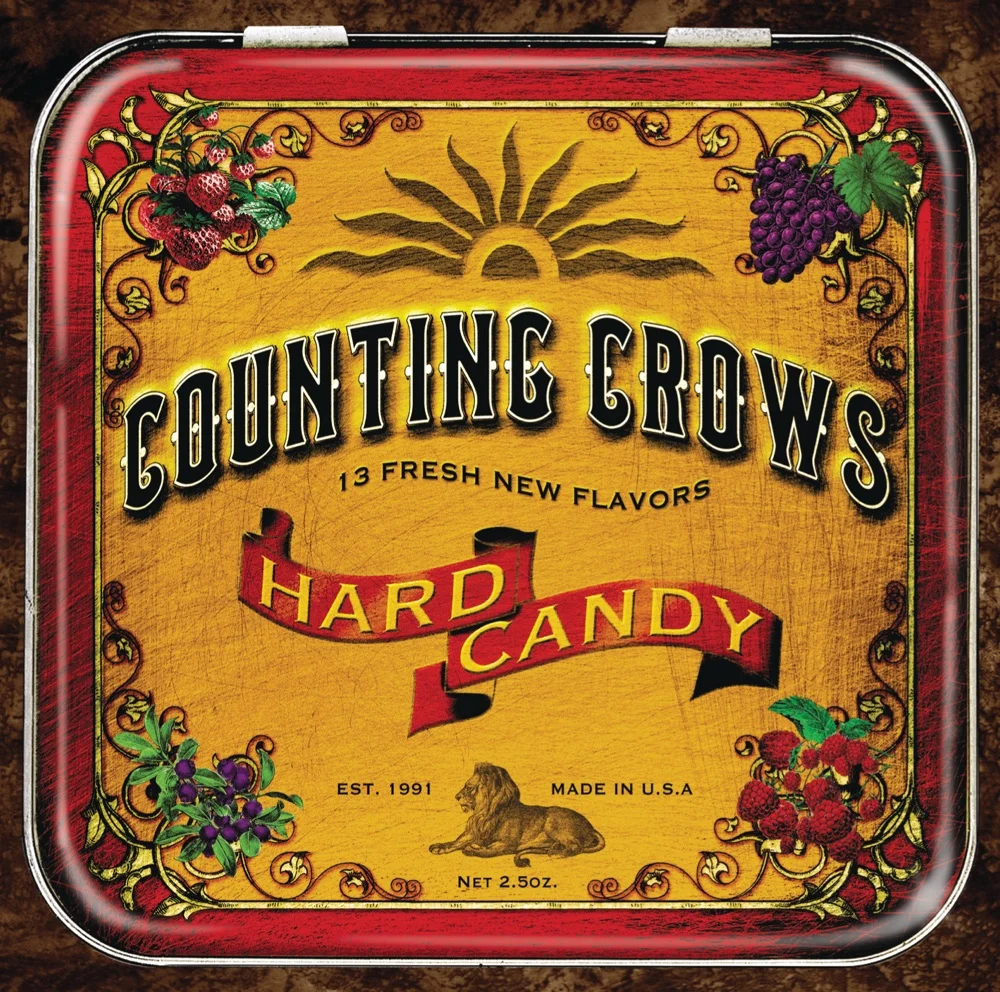
Originally written by Joni Mitchell, the Counting Crows' cover of Big Yellow Taxi became a massive hit in 2002, featuring on the soundtrack for *Two Weeks Notice* and their album *Hard Candy*. Adam Duritz brings a looser, grittier baritone vibe to the track compared to Mitchell's crisp soprano original.
To sing this well, you need to master the art of "laid-back" delivery without losing the rhythm. The song features Vanessa Carlton on backing vocals, but the lead requires a confident chest voice and the ability to slide into notes rather than hitting them squarely on the beat every time.
Phase 1: The Verses (Conversational Tone)
The verses ("They paved paradise...") are sung in a range that is very close to speaking for most male voices (B2 to E3). The key here is diction and storytelling.
The Trap: Because it feels like talking, singers often drop their breath support, leading to a vocal fry or weak tone. Keep your diaphragm engaged even when singing quietly to maintain a warm, resonant sound.
Phase 2: The Chorus (Projection)
The chorus ("Don't it always seem to go...") jumps up in energy. You need to project more here. The melody hovers around E4 and F#4, which is the "passaggio" (bridge area) for many baritones.
- Resonance: Aim for a forward, nasal placement (mask resonance) to help the vocals cut through the guitars.
- Rhythm: The phrasing on "put up a parking lot" is staccato. Keep it punchy.
Phase 3: The Ad-libs (The Duritz Factor)
The Counting Crows version is famous for its "Hey, hey, hey" and "Ooh-bop-bop" ad-libs towards the end. These require a sense of freedom. Don't overthink the specific notes; focus on the emotional "cry" in the voice.
The highest belted note hits around a G#4 during these improvisations. If this is out of your range, you can flip into a mix or falsetto, as the style of the song allows for flexibility.