 Singing Coach AI
Mastering the Indie Folk Falsetto
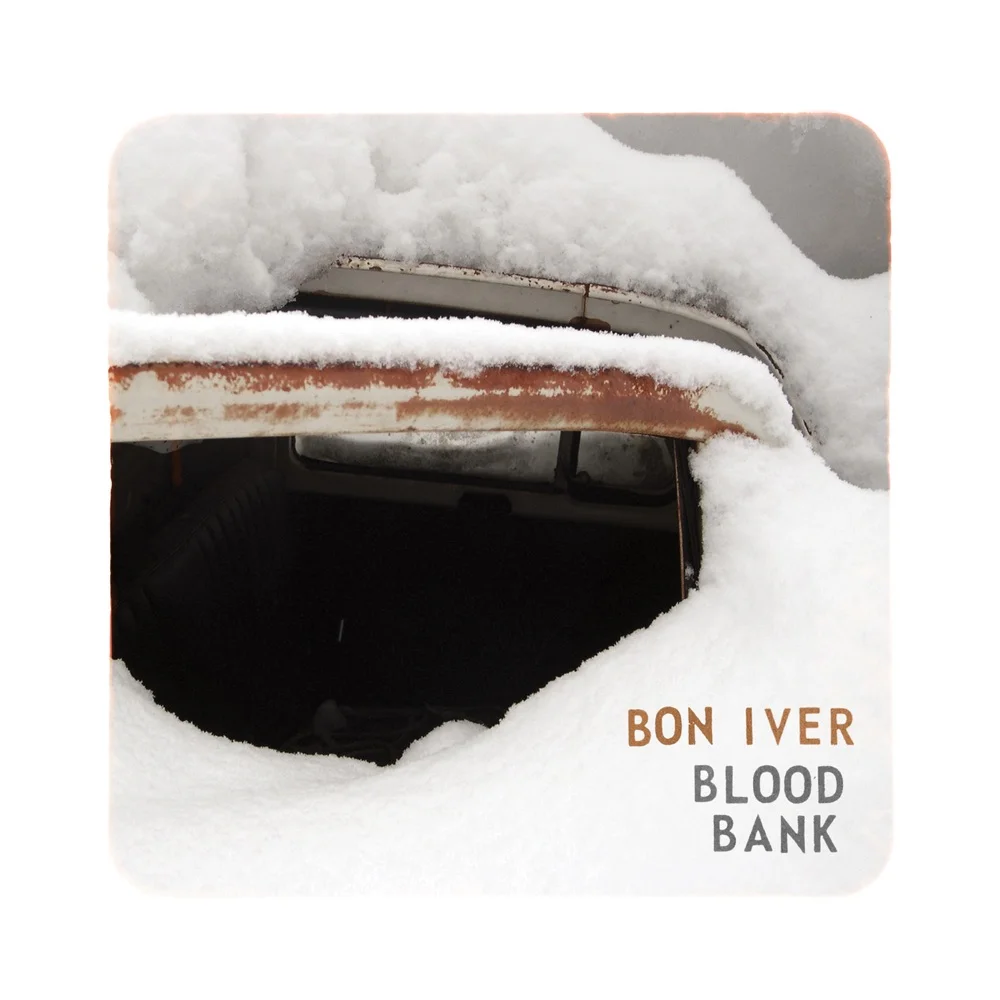
Blood Bank is the title track from Bon Iver's 2009 EP. Unlike the intricate layering of For Emma, Forever Ago or the electronic experimentation of 22, A Million, this song strikes a perfect balance between wintery atmosphere and driving narrative. The challenge for singers lies in Justin Vernon's signature falsetto.
To sing this well, you need control rather than volume. The entire song sits in a register that many untrained singers find unstable. You must maintain a consistent tone quality without becoming too breathy or "hooty." Let's break down exactly how to tackle it.
Phase 1: The Narrative Verse
The song opens with "I met you at the blood bank." This needs to be delivered conversationally, almost mumbled, yet perfectly on pitch. The range sits in the middle of the staff (around A3 to C#4), which can be an awkward "passaggio" or bridge area for many male voices.
The Trap: Because the instruments are driving, singers often push their chest voice up too high here. Keep it light. Allow your voice to float on top of the music rather than digging into it.
Phase 2: The Chorus Swell
The hook, "And I said I know it well," lifts melodically and emotionally. This is where you need to engage your breath support (diaphragm) more actively. The notes aren't incredibly high, but they require a shift in intensity.
- Consonants: Soften your consonants. Justin Vernon often blurs words together to create a seamless instrument-like sound.
- Vowels: Modify your vowels to be taller and rounder. Think "Uh" instead of a flat "A" sound on "Bank" or "Hand."
- Texture: Try to keep the sound "warm" by raising your soft palate (like the beginning of a yawn).
Phase 3: The Wintery Atmosphere
The song is evocative of the cold. To convey this vocally, you want a sound that is pure and lacks the heavy vibrato found in pop or opera. Keep your tone straight and hold the notes steady at the ends of phrases. The AI Coach specifically scores "Pitch Drift" on the long sustained notes in the outro.