 Singing Coach AI
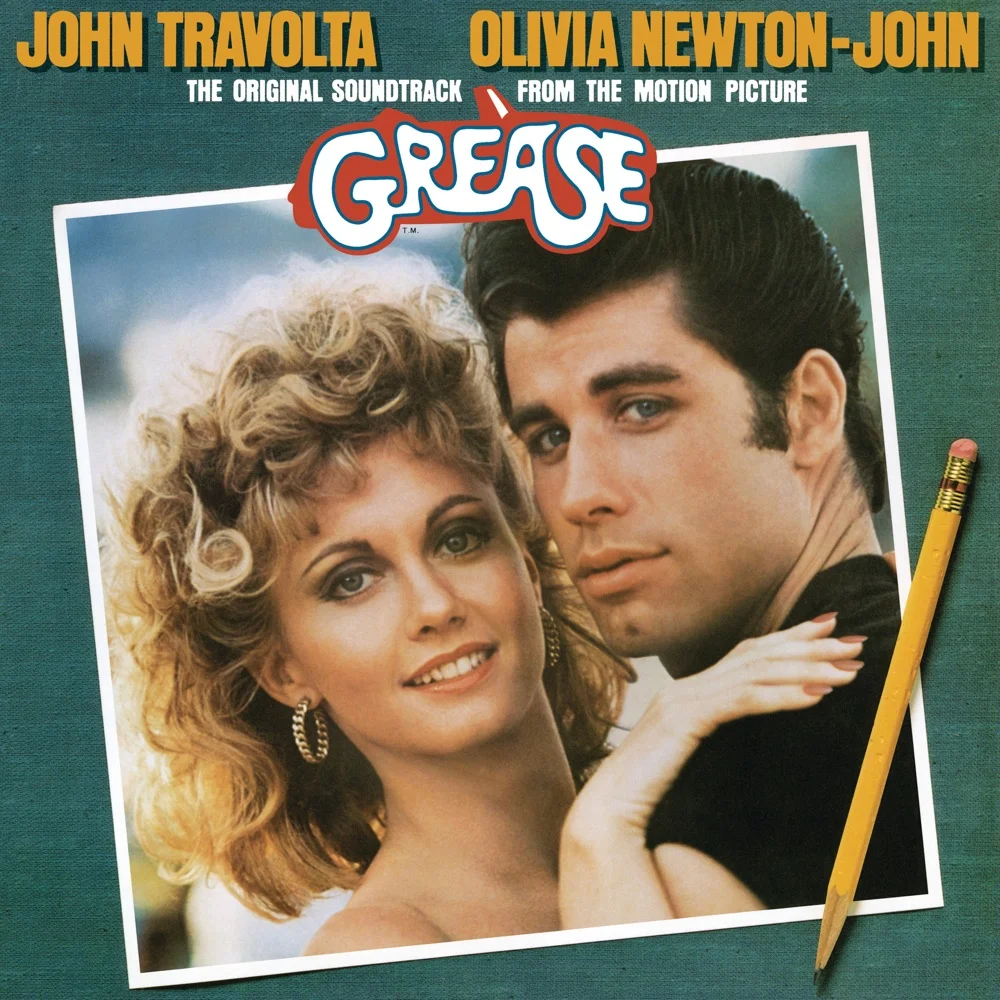
The Ultimate Doo-Wop Standard
Sha Na Na's rendition of Blue Moon, popularized by the movie Grease, is a masterclass in 1950s vocal styling. Unlike the haunting ballad versions of the past, this arrangement relies heavily on the "I - vi - IV - V" progression (C - Am - F - G), driven entirely by the vocal bass line.
Singing this track effectively requires you to choose a lane: are you the rhythmic bass providing the foundation, or the smooth tenor lead carrying the melody? Let's break down the techniques for both.
Phase 1: The Bass Foundation
The song opens with the iconic bass syllables. This isn't just about hitting low notes; it's about percussion. You are the drum kit.
- Resonance: Aim the sound into your chest. Keep your larynx neutral or slightly low to create a fuller, darker sound on the G2 and C3 notes.
- Rhythm: Do not drag. The "Bom-ba-ba-bom" pattern must be metronomically precise. Our AI Timing checker usually flags this section if you are even milliseconds late.
Phase 2: The Tenor Lead (0:15 - End)
When the lead vocal enters, the style shifts to a classic "crooner" approach. The range is comfortable for most Tenors and high Baritones.
The Technique: Use a warm, breathy tone on the onset of "Blue Moon." As you sing "You saw me standing alone," ensure you are sliding slightly between notes (portamento) to get that authentic 50s feel, but land squarely on the pitch center.
Phase 3: The Falsetto Flouishes
Throughout the song, and especially near the end, there are high falsetto "oohs" and harmonies. This requires a clean disconnect from chest voice.
To nail the high C (C5) in the backing vocals, use a "hootier" sound setup (like an owl) rather than a "twangy" rock sound. This blends better with the doo-wop aesthetic.