 Singing Coach AI
Mastering the Art of Introspection
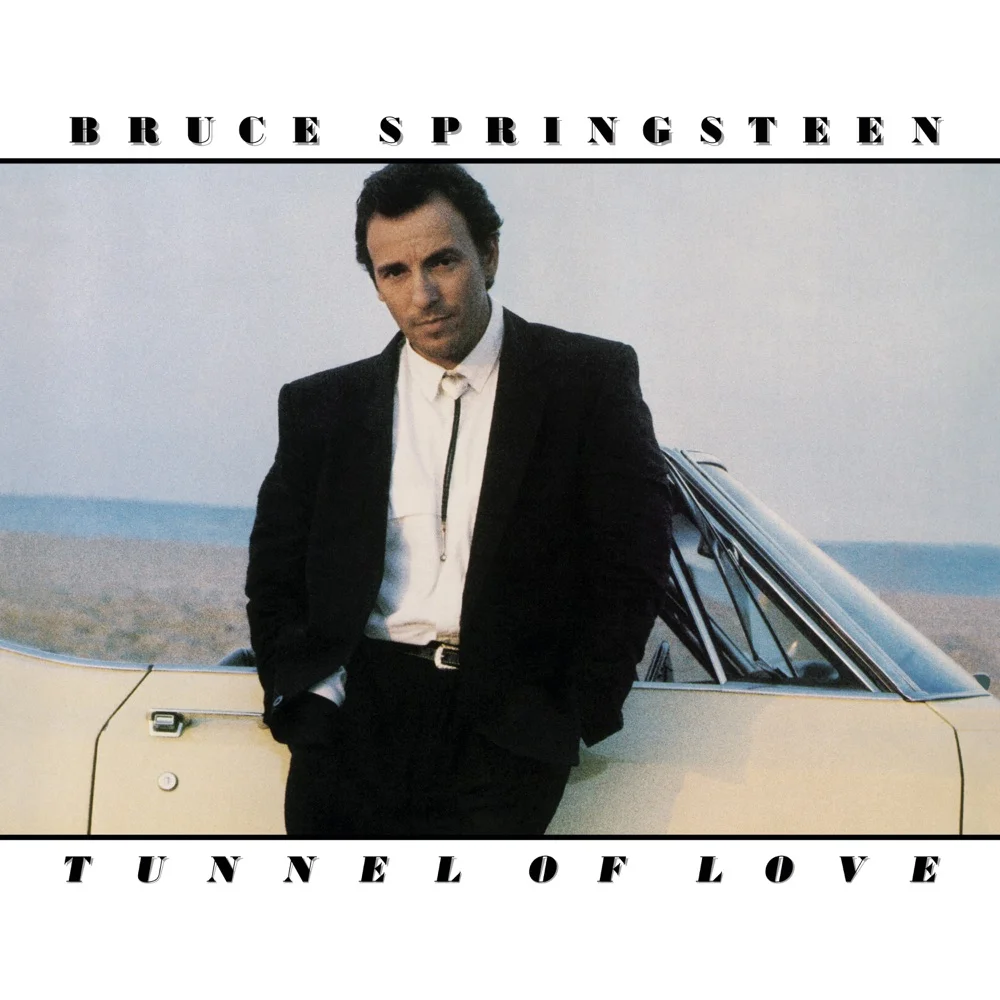
Brilliant Disguise is a masterclass in vocal storytelling. Released on Bruce Springsteen's 1987 album Tunnel of Love, the song strips away the bombastic anthems of his previous work for a stripped-back, confessional tone. It challenges the singer not with high notes, but with vulnerability.
To sing this well, you need to resist the urge to project too loudly. This is a "living room" song, not a "stadium" song. You need excellent breath support to maintain the steady, conversational flow of the lyrics while keeping the pitch accurate in the lower register.
Phase 1: The Verses (A2 - C#4)
The verses are sung almost entirely in a speaking range. The opening line, "I hold you in my arms," requires a warm, chest-dominant resonance. The danger here is sounding bored or flat.
The Trap: Because the notes are low, singers often let their vocal cords relax too much, leading to "vocal fry." Keep the air moving constantly to give the tone some spin and emotion, even at low volumes.
Phase 2: The Chorus (D4 - F#4)
The song lifts in the chorus with the line "So tell me what I see." This is the top of the range for this track. It's not a belt; it's a melodic lift. You should feel the vibration move from your chest slightly up toward your mask (face).
- Consonants: Springsteen articulates his consonants sharply here. "Tell," "See," "Me." This adds percussive rhythm to the vocal line.
- Harmony: In the recording, the vocal line is doubled. When practicing solo, focus on the main melody and ensure you aren't drifting into the harmony line by accident.
Phase 3: The Emotional Arc
The song is about doubt—doubting your partner, and then doubting yourself ("God have mercy on the man, who doubts what he's sure of"). As the song progresses toward the outro, the vocal intensity should increase slightly.
By the final verse, your tone should be more desperate, but still controlled. The fade-out requires you to hold your pitch steady even as you decrease your volume, which takes significant core engagement.