 Singing Coach AI
The Epitome of Southern Rock Cool
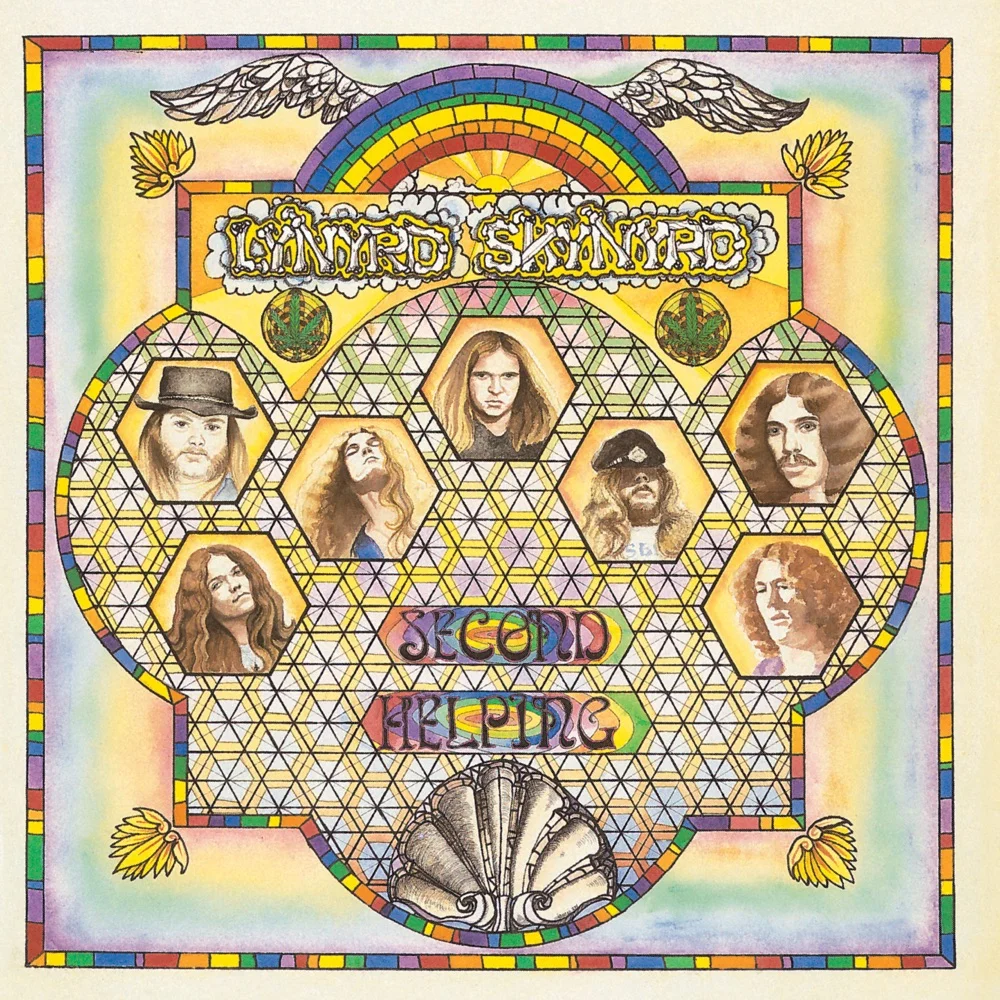
Originally written by J.J. Cale, Lynyrd Skynyrd's version of Call Me the Breeze turned a low-key blues track into a high-energy southern rock anthem. Featured on the 1974 album Second Helping, this song is a masterclass in "in-the-pocket" singing. It doesn't rely on high notes or vocal acrobatics; it relies on pure attitude, timing, and grit.
To sing this well, you need to channel Ronnie Van Zant's casual confidence. The delivery is almost conversational, yet it cuts through the dense mix of three guitars and a horn section. Let's break down how to get that sound.
Phase 1: The Verse Groove
The song is in A Major and follows a standard 12-bar blues progression. The opening line, "Call me the breeze," sits right in the chest voice sweet spot. The melody is repetitive, which means your tone needs to be interesting.
The Trap: Because the melody is simple, singers often get bored and over-sing. Keep it grounded. Focus on the rhythmic bounce of "I keep blowing down the road."
Phase 2: Adding the Grit
Ronnie Van Zant wasn't shouting; he was projecting with texture. To get this sound without hurting your throat, you need to engage your diaphragm and add a little "fry" or compression to the beginning of your vowels.
- "Ain't got no change": Attack the 'A' vowel with a bit of a vocal fry onset.
- "Ain't got no time": Keep the vowels open and resonant. Don't pinch the sound in your nose.
- Resonance: Aim for a chest-dominant sound. If you feel the vibration in your sternum, you are doing it right.
Phase 3: The Ends of Phrases
Listen closely to how Van Zant ends his lines. He often lets the pitch fall off at the end of a sentence ("...down the road"). This "fall-off" is a classic blues technique that adds character. It signals a casual, carefree attitude that matches the lyrics about traveling light.
Don't sustain the notes too long with vibrato. This isn't a ballad. Hit the note, give it some grit, and get off it to make room for the guitar fills.