 Singing Coach AI
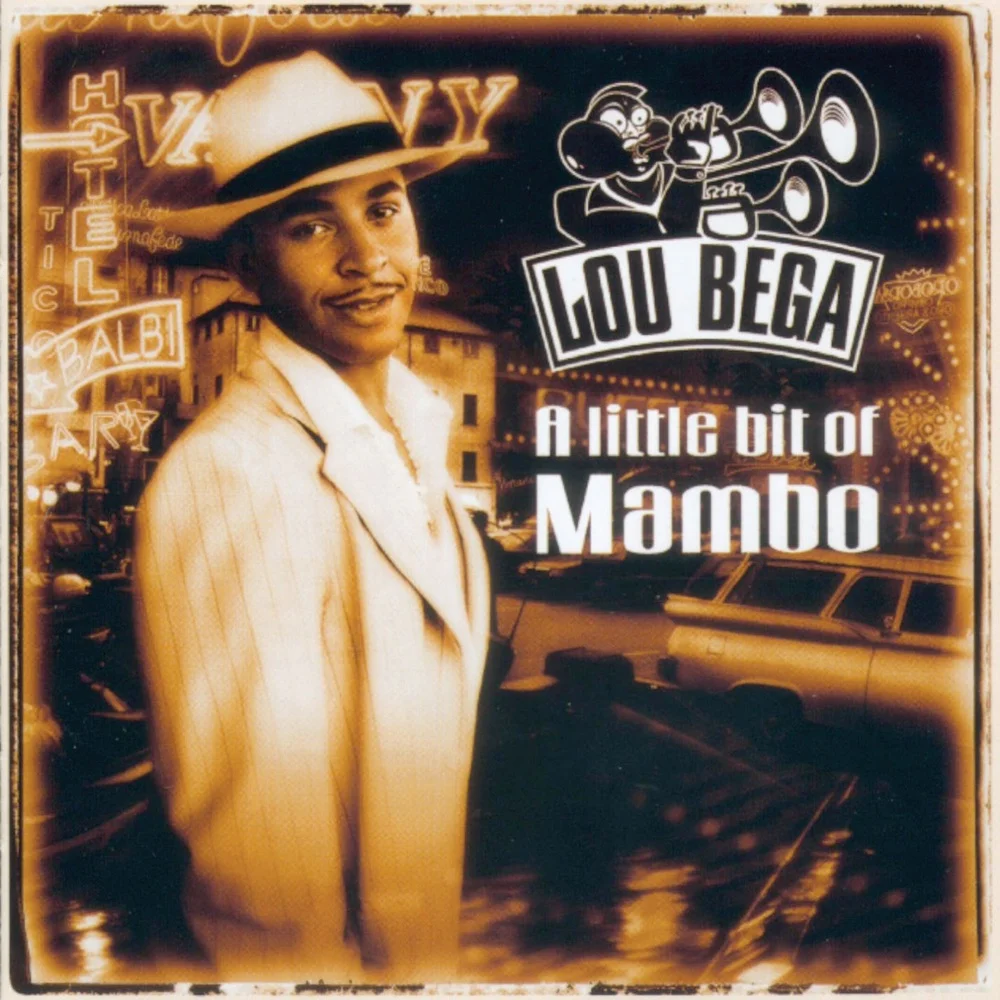
Mastering the Latin Pop Pulse
"Can I Tico Tico You" captures the essence of Lou Bega's style: infectious rhythms, brass-heavy production, and a vocal delivery that sits somewhere between singing and rhythmic speaking. Adapted from the classic "Tico-Tico no Fubá," this song demands high energy and precise articulation rather than an expansive vocal range.
To sing this well, you need to channel your inner percussionist. Your voice provides the rhythmic counterpoint to the horn section. Let's break down how to handle the speed and the groove without tripping over your words.
Phase 1: The Rhythmic Verses
Lou Bega utilizes a technique often called Sprechgesang (speech-singing). You aren't holding long notes here; you are riding the beat. The verses are rapid-fire and require excellent breath support.
The Strategy: Do not take massive breaths that lift your shoulders. Take quick, low "sips" of air between phrases. Focus on the downbeat and ensure your words lock in with the drums.
Phase 2: The "Tico Tico" Hook
The chorus is the most melodic part of the track. It’s repetitive, catchy, and needs to feel light and bouncy. The melody hovers comfortably in the mid-range (around Middle C to E4).
- Tone: Keep it bright. Smile while you sing to naturally lift your soft palate and create a brighter, more "pop" timbre.
- Phrasing: Don't drag the notes. The "Tico Tico" phrase should feel like a bouncing ball.
Phase 3: Energy and Attitude
This is a party song. If you sing it with perfect pitch but low energy, it will sound flat. You need to project charisma. In the studio, Lou Bega adds grit and excitement to his voice to match the intensity of the brass instruments.
Try adding a slight "growl" or vocal fry at the beginning of phrases to add texture, but be careful not to push from your throat, which can cause hoarseness.