 Singing Coach AI
The Blueprint of Pop Harmony
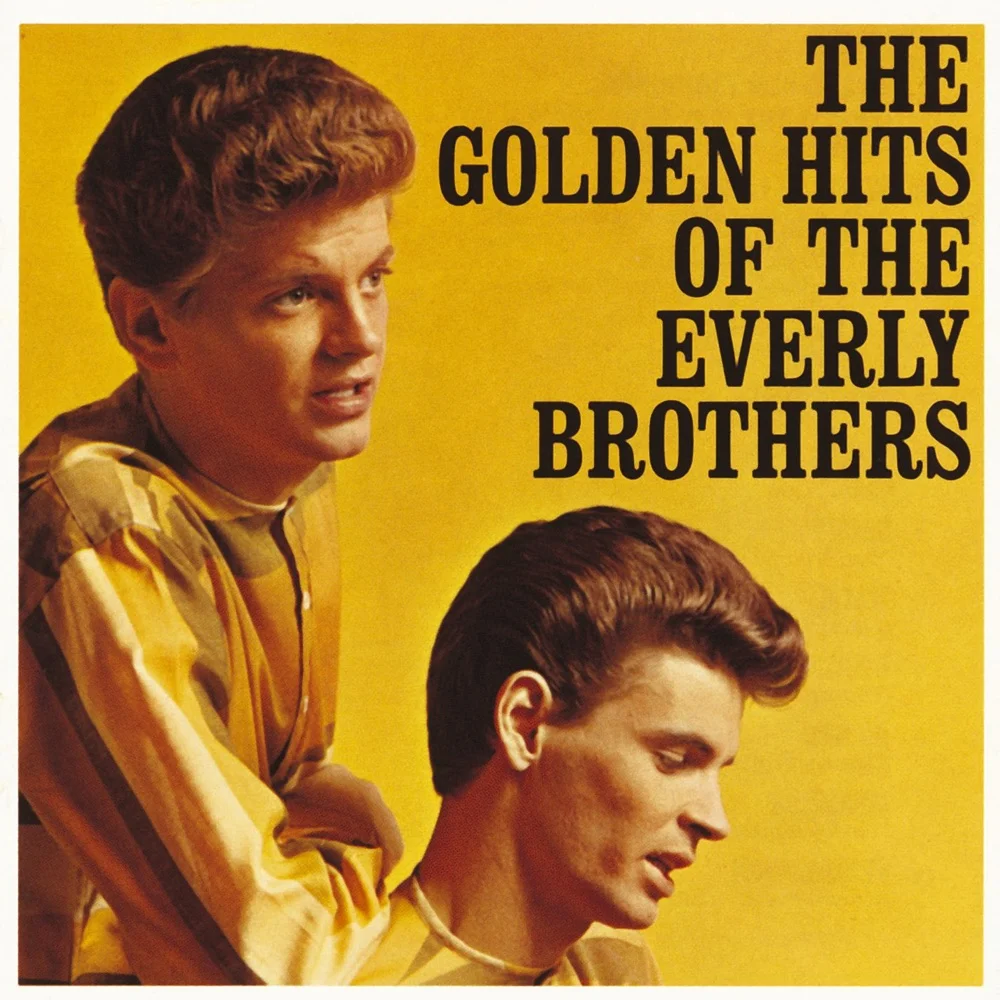
Released in 1960, Cathy's Clown spent eight weeks at number one and remains one of the Everly Brothers' most enduring hits. It is a masterclass in close vocal harmony and distinctive song structure, notably beginning immediately with the chorus rather than a verse.
To sing this well, you need to understand the interplay between Don Everly's lower melody and Phil Everly's higher harmony. The delivery requires a mix of staccato rhythmic precision in the chorus and smoother, more emotional phrasing in the bridge. Let's break it down.
Phase 1: The Chorus (The Hook)
The song opens in D Major with the iconic refrain. The range here is comfortable for most Tenors and Baritones, sitting squarely in the chest voice. The challenge is the articulation.
The Trap: Singers often drag the tempo. Keep the delivery punchy. On the line "Don't want your kisses, that's for sure," ensure the consonants are crisp. If you are singing the lead (Don's part), stay grounded. If you are attempting the harmony (Phil's part), you will be singing a third above the melody.
Phase 2: The Verses (Storytelling)
The verses ("I gotta stand tall...") shift the dynamic. The vocals become slightly more legato (connected). The melody descends, requiring good breath support to maintain volume on the lower notes without losing tone quality.
- Resonance: Keep the sound forward in the mask (the front of the face) to mimic that bright, late-50s rock sound.
- Pitch: Watch the interval jumps on "hear you say." The AI Coach often detects flatting on the bottom notes here.
Phase 3: The Bridge (Emotional Shift)
The bridge ("When I see you shed a tear...") provides the emotional core of the song. The instrumentation pulls back, and the harmony becomes tighter. The vocal texture should be warmer here.
This section is critical for scoring high on "Expression" in the app. You need to convey the conflict of the lyrics—the sadness mixed with the resolve to leave.