 Singing Coach AI
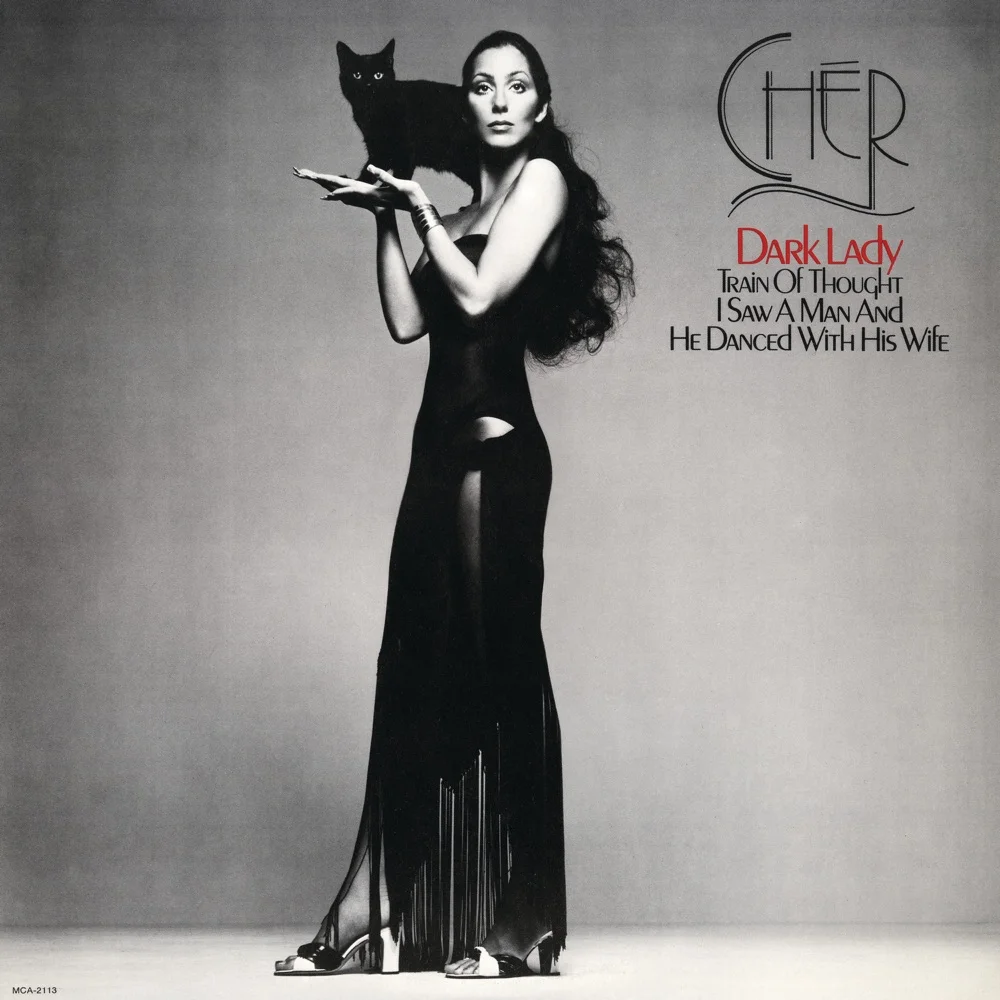
The Ultimate Storytelling Anthem
Dark Lady is a masterclass in narrative singing. Released in 1974, it showcases Cher's ability to act through song. Unlike high-flying pop ballads that rely on head voice acrobatics, this track is grounded, gritty, and dramatic. It sits firmly in the G Minor key, lending it a mysterious, almost "gypsy-folk" atmosphere.
To sing this well, you need to abandon the "breathiness" common in modern pop. Cher sings with a full, brassy chest resonance. The challenge lies in maintaining tone quality in the lower register while building intensity as the story of the fortune teller unfolds.
Phase 1: The Narrative Verse
The song starts low. The opening lines ("The fortune queen of New Orleans / Was brushing strangers' dreams...") hover around G3 and dip to F3. This is the "speaking range" for many, but it can sound muddy.
The Trap: Many singers lose projection here. You must engage your diaphragm even on quiet, low notes to ensure they don't fry or disappear. Think of "placing" the sound in your chest, not your nose.
Phase 2: The Chorus Belt
The energy shifts drastically at "Dark Lady laughed and danced." Here, you need a confident chest-mix belt. The melody climbs, but it stays within a reasonable range (up to C5). The difficulty isn't the pitch; it's the attack.
- Rhythm: The chorus is punchy. Emphasize the downbeats.
- Vibrato: Cher uses a fast, shallow vibrato at the end of sustained notes. Practice holding a straight tone and adding vibrato only at the very tail end.
Phase 3: The Climax
The final verse reveals the betrayal. This is acting time. The vocal delivery should become more urgent. The final "laughing" section requires breath support to maintain the pitch while conveying the character's hysteria.