 Singing Coach AI
Mastering the "Blue-Eyed Soul" Style
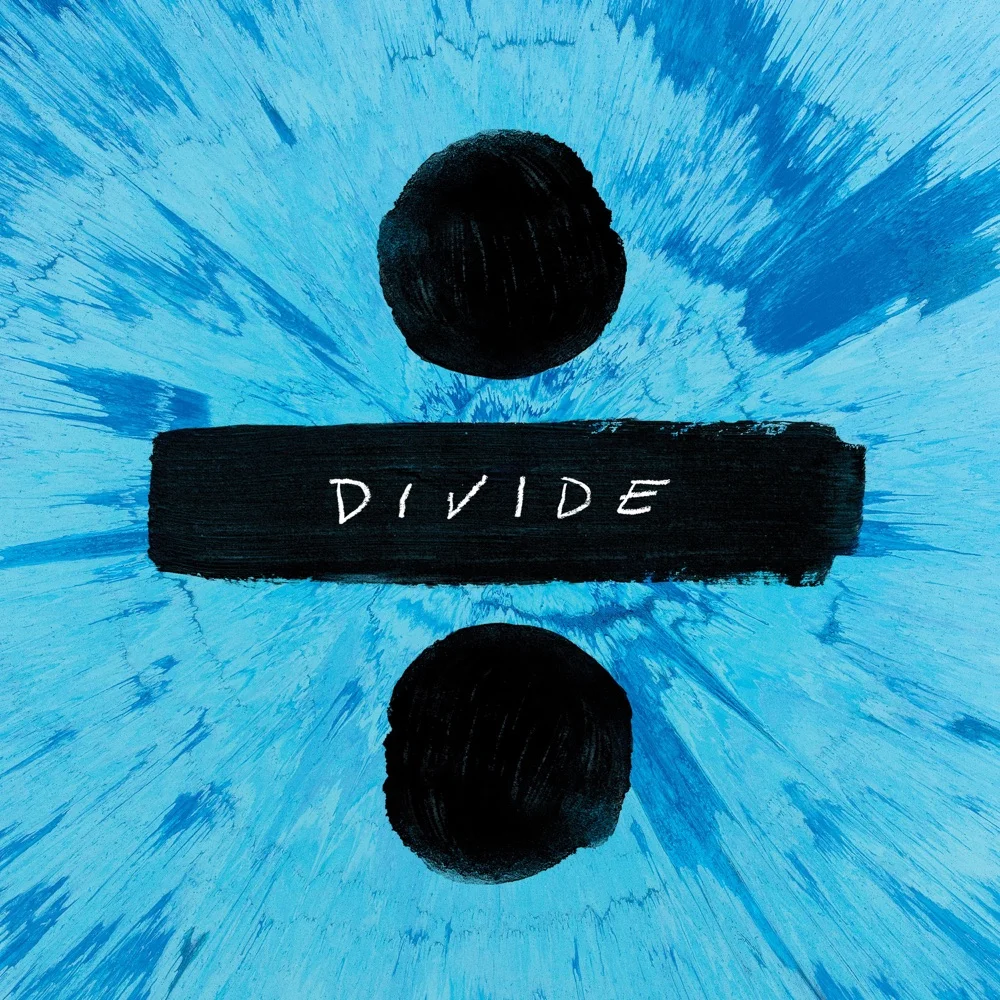
Released on Ed Sheeran's blockbuster album ÷ (Divide), "Dive" is a masterclass in modern blue-eyed soul. Set in a 6/8 time signature, the song demands a vocal performance that is equal parts vulnerable and powerful. It pushes the boundaries of the Tenor range, requiring a solid connection between your chest voice and your upper mix.
To sing "Dive" effectively, you need to master dynamics. The verses are sung almost at a whisper, while the chorus requires a full-throated belt with a touch of grit. Let's break down the technical approach.
Phase 1: The Verses (Low & Breathy)
The song starts in the lower end of the Tenor range (around G#2). The key here is intimacy. You want a "spoken" quality to your tone.
The Trap: Because it is low, singers often lose energy and go flat. Keep your soft palate lifted and use good breath support even when singing quietly to maintain pitch accuracy on "Maybe I came on too strong."
Phase 2: The Pre-Chorus Climb
As the lyrics move to "So don't call me baby," the melody ascends. You need to start shedding the breathiness and bringing in more cord closure. This section acts as a ramp, building tension before the release of the chorus.
Phase 3: The Chorus Belt
The hook "Don't you call me baby" is the centerpiece. It sits high in the chest/mix voice range (hitting E4 and F#4 repeatedly). You need to place the sound forward in the "mask" of your face to get that piercing quality.
- The Rasp: Apply the grit carefully on the vowels. If you feel tickling or pain, stop immediately—you are constricting the false cords too much.
- Falsetto Flips: Ed often flips into falsetto briefly at the end of phrases for stylistic effect. Practice switching from a heavy belt to a light head voice instantly.