 Singing Coach AI
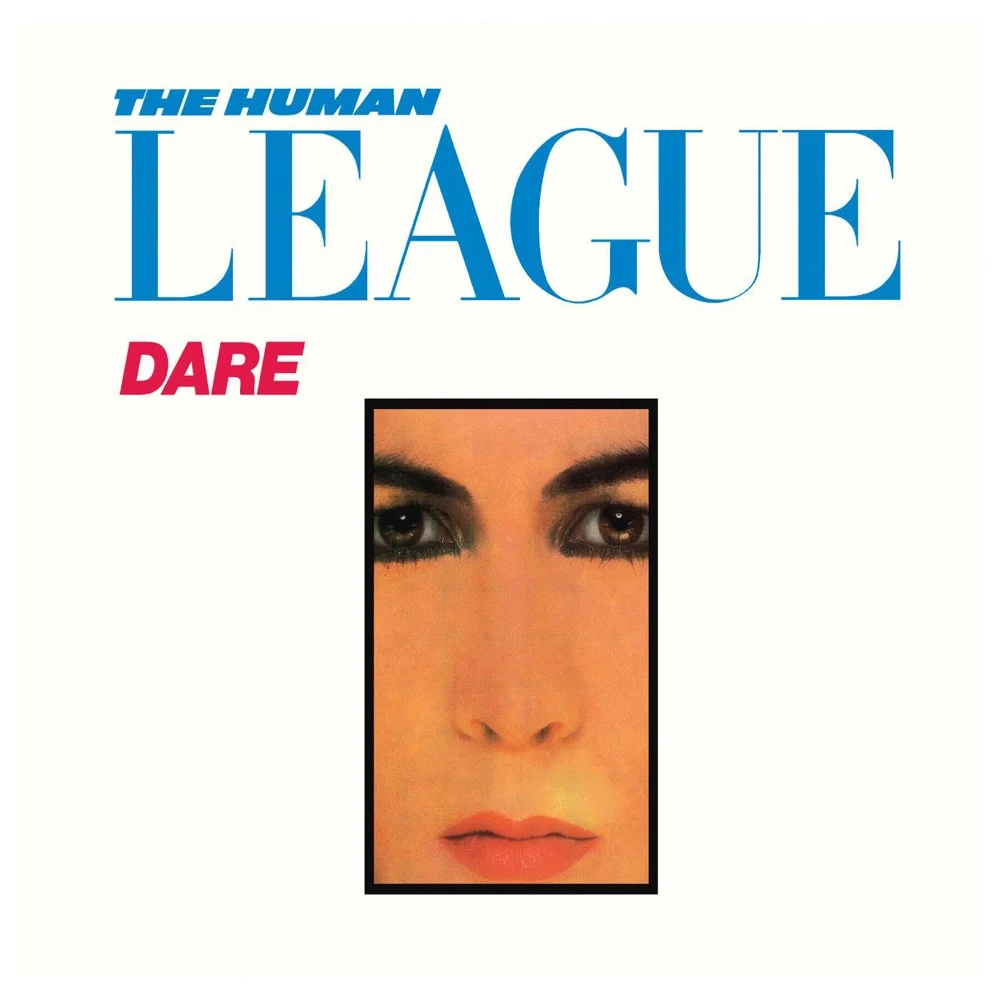
The Definitive New Wave Duet
Released in 1981 on the album Dare, "Don't You Want Me" became the biggest selling UK single of that year. It's not just a song; it's a conversation between two characters: a man (sung by Philip Oakey) realizing his partner has outgrown him, and the woman (Susan Ann Sulley) asserting her independence.
Vocally, this song defines the "New Wave" style: emotionally detached, rhythmically precise, and lacking heavy vibrato. To score high, you need to master the art of singing "straight" without sounding bored.
Phase 1: The Cocktail Bar Verse (Male)
The song opens in A Minor with Philip Oakey's deep baritone. The range sits comfortably low (A2 - E4). The challenge is the "deadpan" delivery.
Technique: Keep your larynx neutral or slightly low to get that rich, dark quality on "You were working as a waitress in a cocktail bar." Enunciate clearly—the synth beat is strict, and being behind the beat will lower your timing score.
Phase 2: The Response (Female)
At 1:55, Susan Ann Sulley enters. This section shifts perspective. While the notes aren't incredibly high (hovering around A4-C5), the tone must be brighter and lighter than the male verse.
- Contrast: If you are singing both parts, you must change your vocal color here. Smile slightly while singing to brighten the resonance.
- Clarity: The line "I was working as a waitress in a cocktail bar" mirrors the first verse but needs to sound more optimistic and independent.
Phase 3: The Chorus Hook
The chorus "Don't you want me, baby?" is an earworm that requires high energy. It sits at the top of the male range and the middle of the female range.
Avoid shouting. Use "forward placement" (imagine the sound vibrating behind your nose and teeth) to project the sound over the synthesizers without straining your throat. This is where the song transitions from a conversation to a pop anthem.