 Singing Coach AI
The Street Corner Groove
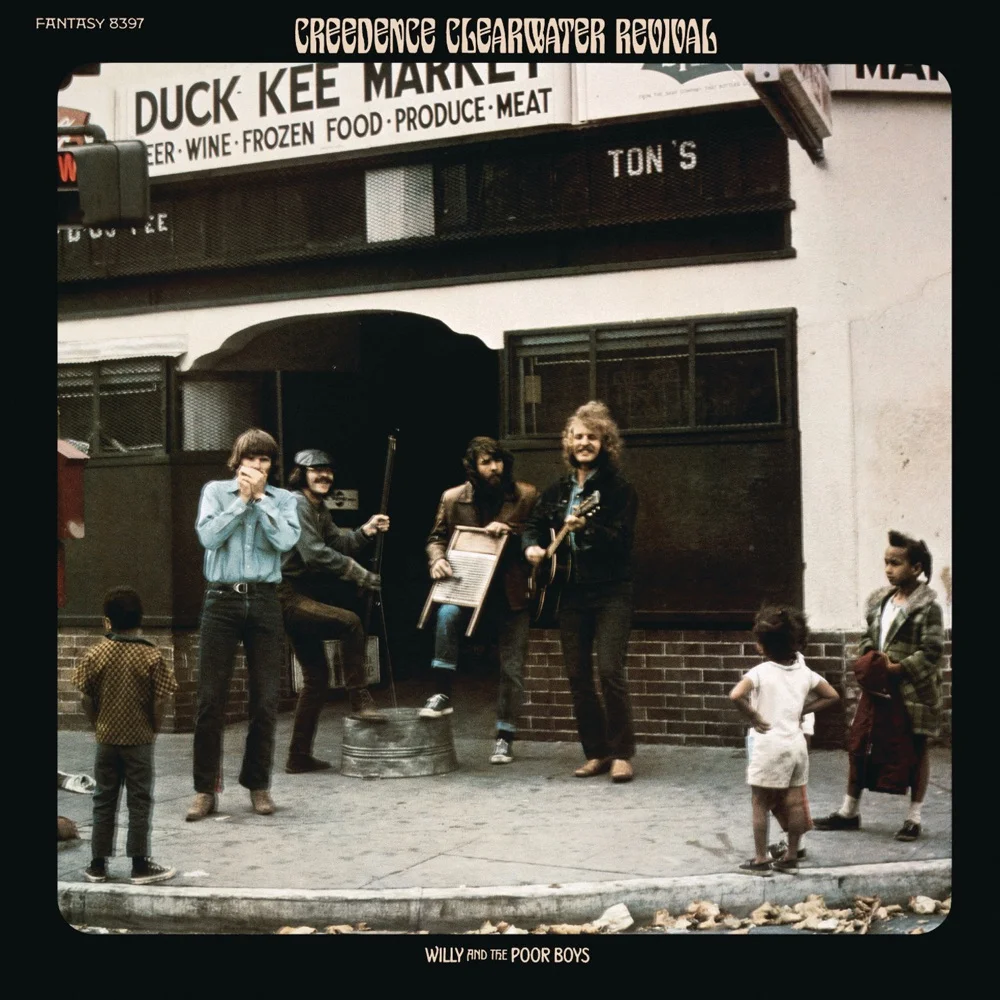
"Down on the Corner" is a quintessential Creedence Clearwater Revival track from their 1969 album Willy and the Poor Boys. Unlike high-flying rock ballads, this song is all about the pocket. It tells the story of a fictional street band, and the vocal delivery needs to reflect that fun, casual, storytelling vibe.
To sing this well, you need to abandon classical technique in favor of "twang" and rhythm. John Fogerty's vocals sit comfortably in the chest register for most singers, making this a great song for beginners to practice articulation and timing.
Phase 1: The Verses (Storytelling)
The song starts in C Major. The lines "Early evening, just about suppertime" are spoken-sung. You aren't aiming for perfect legato here; you want a percussive delivery.
The Trap: Don't make it too pretty. If you sing with too much vibrato, it loses the "swamp rock" feel. Keep the tone straight and gritty. Imagine you are actually shouting across a street corner.
Phase 2: The Chorus (Harmonies)
The chorus—"Down on the corner, out in the street"—is iconic. In the original recording, CCR layered multiple vocal tracks.
- Main Melody: Stays grounded on C, D, and E notes. Very accessible.
- High Harmony: If you are singing the harmony part ("Willy and the Poor Boys are playing"), you need to hit a G4. Keep it light and mix-dominant so it blends with the lead.
- Rhythm: The lyrics "Bring a nickel, tap your feet" must be crisp. Consonant clarity is key.
Phase 3: The Fogerty "Grit"
John Fogerty has a unique vocal texture. To emulate this safely, use "twang." This involves narrowing the space above your vocal cords (the epiglottic funnel) to create a piercing, brassy sound without straining your throat.
Do not try to achieve grit by pushing more air or tightening your neck muscles. That will lead to fatigue. Instead, think of a "nagging" or "quacking" sound placement, then relax it slightly into the lyrics.