 Singing Coach AI
The Ultimate Power Ballad
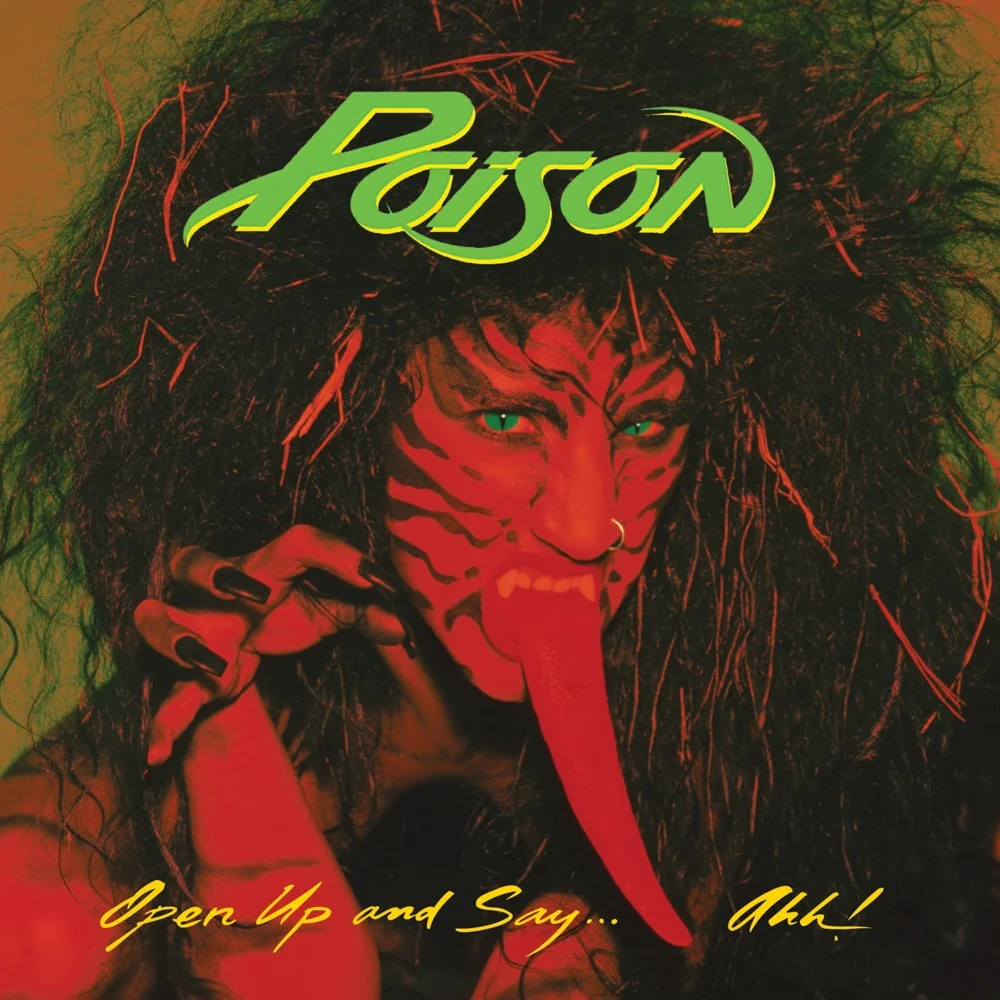
Released in 1988 on the album Open Up and Say... Ahh!, "Every Rose Has Its Thorn" became Poison's signature song and their only number-one hit in the US. It defines the "lighter-waving" anthem of the glam metal era.
Unlike other metal tracks of the time that required piercing highs, Bret Michaels delivers a raw, cowboy-inspired vocal performance. To sing this well, you need to balance a conversational lower register with a gritty, chest-dominant chorus. It is less about vocal acrobatics and more about selling the heartbreak.
Phase 1: The Verses (Low & Acoustic)
The song starts with a G-chord acoustic strum. The vocal entry "We both lie silently still in the dead of the night" sits low (around Gb2/G2). The challenge here is clarity.
The Trap: Because it is low, singers often lose energy and go flat. Keep your posture tall and use good breath support even when singing quietly to maintain pitch accuracy.
Phase 2: The Chorus Hook
The chorus ("Every rose has its thorn") lifts the energy. This is sung in a solid chest voice. You want a "twangy" placement—think country rock. If you sing it too "classically" or with too much head voice, it loses the genre-appropriate grit.
The melody is repetitive, so focus on the rhythm. Dragging behind the beat is common in ballads; try to stay right on top of the acoustic guitar strum.
Phase 3: The Bridge Emotion
The bridge section ("Though I tried not to hurt you...") is the emotional peak. Michaels pushes his voice slightly higher here, touching the Gb4. This is where you can let the volume increase.
Ensure you open your mouth wider on vowels like "hurt" and "pain" to create a fuller, more resonant sound that contrasts with the intimate verses.