 Singing Coach AI
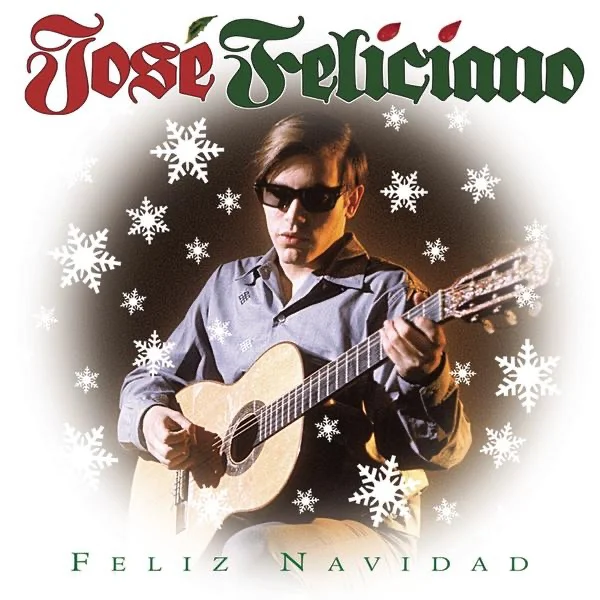
The Ultimate Bilingual Holiday Anthem
Released in 1970, Jose Feliciano’s Feliz Navidad is deceptively simple. With only nineteen words in two languages, the song relies heavily on rhythmic precision and infectious energy. It is a masterclass in projection and "feel" rather than complex vocal gymnastics.
To sing this well, you need to maintain a bright, forward chest voice. The challenge isn't hitting high notes; it's keeping the energy level high for three minutes without sounding repetitive or tired. Let's break down the technique.
Phase 1: The Spanish Chorus
The song opens with the iconic hook: "Feliz Navidad, próspero año y felicidad." Even if you don't speak Spanish, you can master this by focusing on pure vowel sounds.
- Feliz (Feh-LEES): Hit the "Lee" with a smile to brighten the tone.
- Navidad (Nah-vee-DAHD): The emphasis is on the last syllable. Keep the "d" at the end soft.
- Próspero (PROS-peh-roh): Roll the 'r' slightly if you can, but the rhythm is more important than the trill.
Phase 2: The English Verses
The line "I wanna wish you a Merry Christmas" acts as the counter-energy to the Spanish chorus. Feliciano sings this with a lot of "twang" and forward placement.
The Trap: Many singers drop their energy here. Instead, lean into the word "Wanna" and "Merry." This section sits in the middle of the male chest voice (around A3-D4), so you can push the volume comfortably without straining.
Phase 3: Sustaining the Energy
As the song progresses, ad-libs and brass instruments fill the space. Your job is to keep the core melody rock solid. The vocal range tops out at an F#4, which is a very manageable high note for most Tenors and Baritones.
Ensure you are breathing deeply from the diaphragm before the "I wanna wish you..." phrase begins. Running out of breath here will cause your pitch to go flat on "Christmas."