 Singing Coach AI
The Art of Conversational Singing
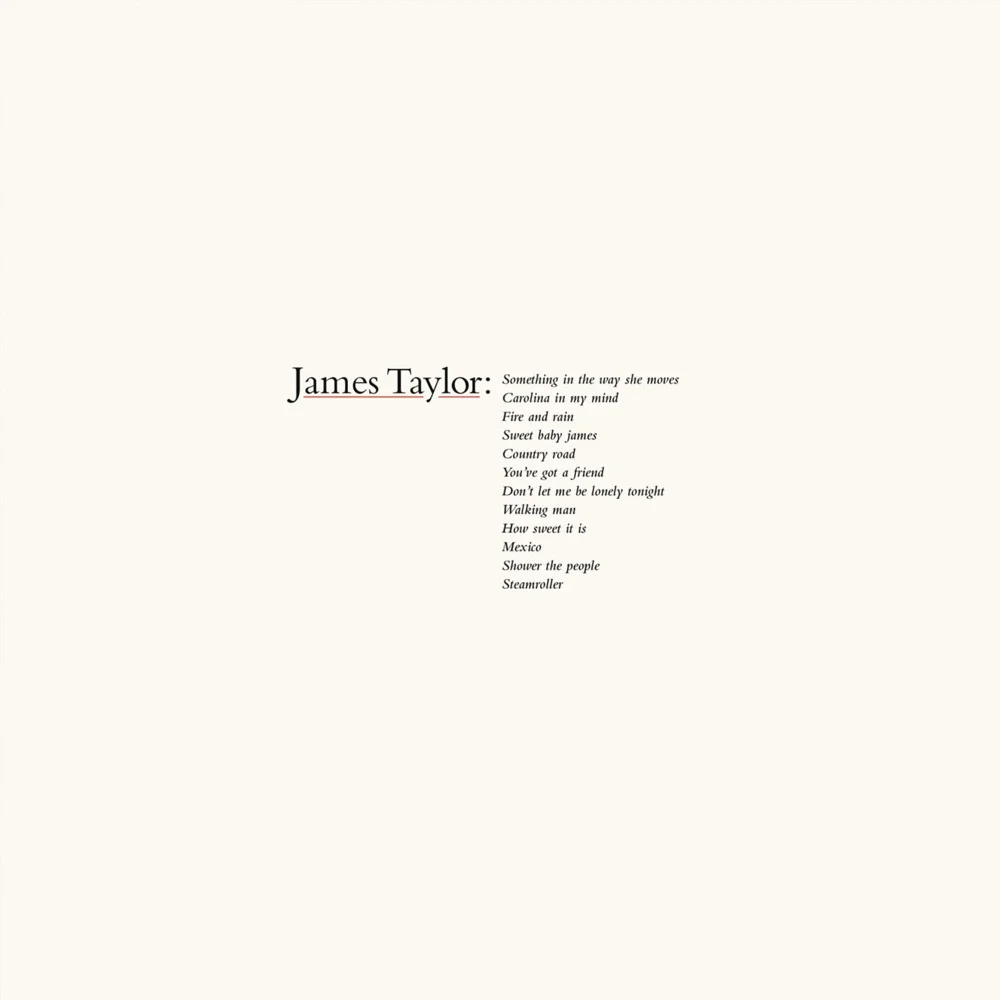
Fire and Rain is a masterclass in singer-songwriter intimacy. Released on the 1970 album Sweet Baby James, James Taylor wrote this song to process personal tragedy and struggle. Unlike powerhouse rock anthems, this song requires vulnerability, precise diction, and a warm, resonant chest voice.
The difficulty here isn't range—it's tone. If you push too hard, you lose the folk aesthetic. If you sing too softly, you lose the melody. Let's break down how to find that balance.
Phase 1: The Verses (Storytelling)
The verses sit low in the register (around G2 to C3). This is "speak-singing" territory. You want to articulate the lyrics clearly without sounding like you are reading a book.
The Trap: Because the pitch is low, singers often let their pitch go flat. Keep a slight "smile" in your cheeks to brighten the resonance, ensuring the low notes cut through the acoustic guitar mix.
Phase 2: The Chorus (Emotion)
The famous line "I've seen fire and I've seen rain" moves slightly higher. Here, you need a smooth, connected sound (legato). Do not belt this. Imagine you are talking to a friend in a quiet room.
- "Sunny days": Keep the vowel open and relaxed. Avoid pinching the "ee" sound.
- "Lonely times": Lean into the "L" and "M" consonants to add warmth and hum to your voice.
- "Friend": This word often dips low; ensure you have enough breath to finish the phrase strong.
Phase 3: The Bridge (The Climax)
The section starting with "Won't you look down upon me, Jesus" is the emotional peak. The volume increases, and the pitch touches F4. This is the only moment in the song where a bit of "grit" or increased volume is appropriate.
Use your diaphragm to support this lift. Do not squeeze from the throat. If the F4 feels too high, you can modify the vowel in "Jesus" towards "Jee-zus" (more open) to help navigate the passagio.