 Singing Coach AI
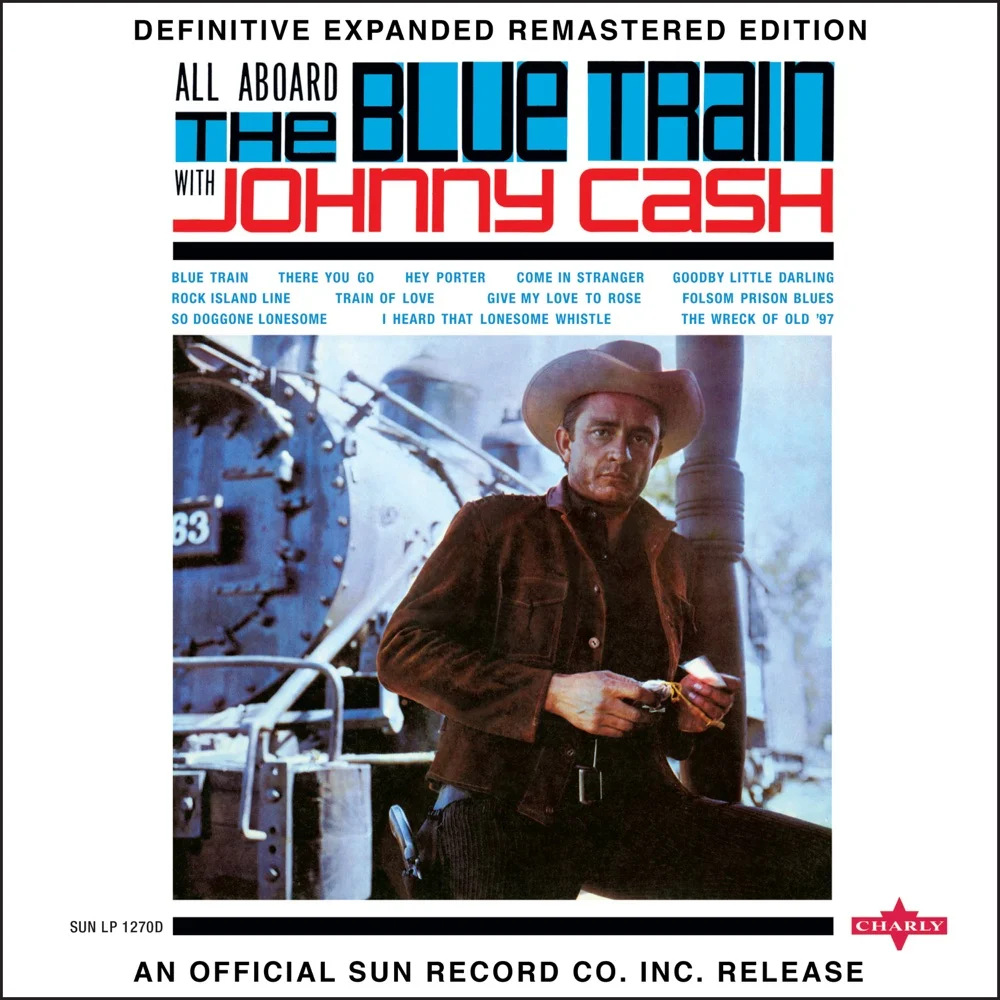
The Anthem of Outlaw Country
Recorded live at Folsom Prison in 1968, this track is the defining moment of Johnny Cash's career. Unlike pop songs that rely on soaring high notes, Folsom Prison Blues is a masterclass in control, attitude, and the lower register. It combines elements of train beats, blues scales, and spoken-word storytelling.
To sing this well, you need to abandon "pretty" singing. The goal is a gritty, resonant sound that sits deep in the chest. If you try to sing it too cleanly, you lose the essence of the "Man in Black."
Phase 1: The Low Anchor (The F2)
The song is anchored in F Major. The lowest note, an F2, appears frequently at the end of phrases. This is the foundation of the track. If you are a Tenor, this will be your biggest challenge.
Technique: Focus on "Chest Resonance." Put your hand on your chest while you sing; you should feel a strong vibration. If the vibration moves to your throat or nose, you are losing the Cash tone.
Phase 2: The Rhythm (Boom-Chicka-Boom)
Cash didn't just sing; he used his voice as a percussion instrument. The vocals must lock in perfectly with the snare drum. There is very little rubato (slowing down or speeding up) allowed here.
- Consonants: Emphasize the 'T' and 'K' sounds (e.g., "stucK in Folsom Prison").
- The Slide: On lines like "I hear the train a-comin'," use a blues slide (portamento) to scoop up into the note, adding that mournful quality.
Phase 3: The Storytelling Arc
The lyrics are heavy: "I shot a man in Reno just to watch him die." This is the emotional peak of the song. However, Cash delivers this line almost casually.
The mistake beginners make is shouting this line. Instead, use a "spoken-sung" approach. Keep the volume consistent, but add a harder edge to your tone to convey the regret and callousness of the character.