 Singing Coach AI
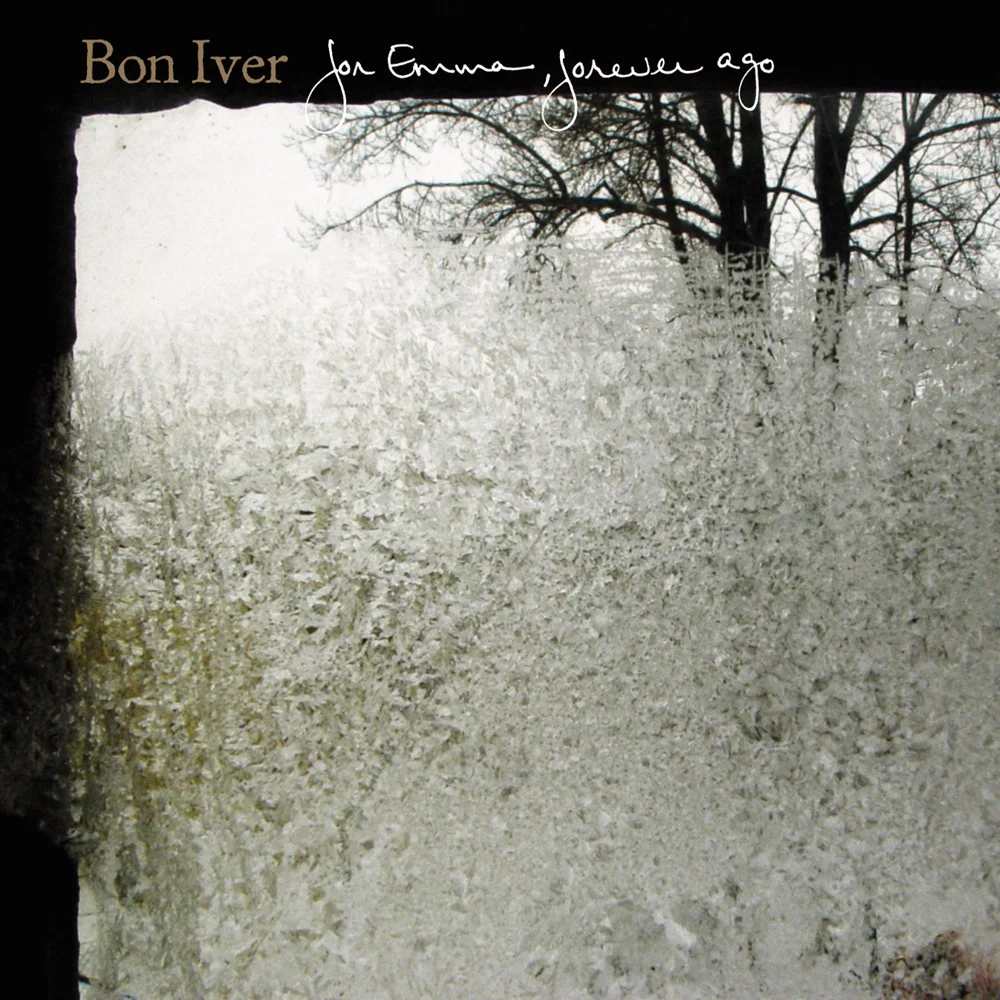
The Art of Isolation
Written during Justin Vernon's solitary retreat to a hunting cabin in Wisconsin, For Emma is the centerpiece of the album For Emma, Forever Ago. The song is characterized by its raw, acoustic texture and Vernon's haunting use of falsetto. It requires a singer to strip back their technique and focus on vulnerability rather than power.
Unlike pop songs that demand clarity and belt, this track asks you to embrace imperfections. The delivery should feel conversational, intimate, and slightly weary. Let's look at how to approach the vocal layers.
Phase 1: The Verses (0:00 - 1:12)
The song opens with a strummed acoustic guitar in G Major. Vernon's entry ("So many foreign worlds...") is low in the mix and delivered almost like a mumble. The key here is articulation—or the intentional lack thereof.
The Trap: Don't over-enunciate. If you sing with musical theater precision, you will lose the "indie folk" aesthetic. Keep the vowels relaxed and the consonants soft.
Phase 2: The Chorus (1:12 - 2:30)
The refrain "For Emma, forever ago" sits high in the vocal register. For most male singers, this requires a full switch to falsetto or a light head voice. For female singers, this may sit comfortably in a mix, but should still be sung with a "breathy" quality.
- Resonance: Aim the sound toward the front of your face (mask resonance) to keep the falsetto from sounding thin or weak.
- Volume: Do not push. The power comes from the emotional intent, not decibels.
Phase 3: The Outro (2:30 - End)
The song builds to a climax with a horn section and layered vocals singing "Go find another lover." This is a mantra-like repetition. As you repeat the phrase, vary your dynamics. Start soft, and let the intensity grow with the instrumentation, but ensure you never break into a full chest belt.