 Singing Coach AI
The Song That Defined a Solo Career
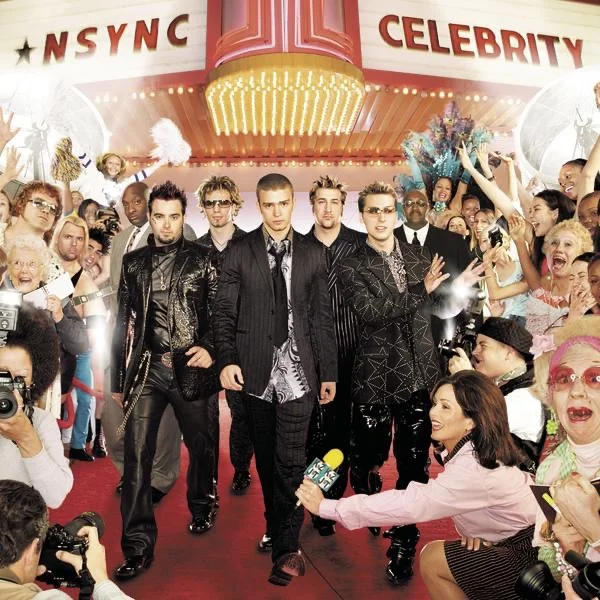
"Gone" is a pivotal track in pop history. Released on *NSYNC's final album Celebrity (2001), it is essentially a solo showcase for Justin Timberlake. Written by Timberlake and Wade Robson, the song moves away from the group's bubblegum pop roots into mature, acoustic R&B territory. It has no standard pop structure, relying on a moody, stripped-back arrangement.
To sing "Gone" effectively, you need more than just pitch accuracy; you need style. The vocal requires a delicate balance of breathy chest voice and pristine, controlled falsetto. It’s about the "pocket"—singing slightly behind the beat to create that laid-back soul vibe.
Phase 1: The Intimate Verse
The song starts with a solitary acoustic guitar. The verse sits in a comfortable mid-range for Tenors, but the challenge is the tone. You want an "aspirated onset"—adding a bit of breath to the start of your words to convey heartbreak and intimacy.
The Trap: Don't pronounce consonants too harshly. R&B requires legato lines where words blend into one another. Soften your "T"s and "K"s.
Phase 2: The Falsetto Hook
The chorus ("I've been sitting here / Can't get you off my mind") jumps immediately into head voice/falsetto. This transition needs to be invisible.
- Pitch Accuracy: The melody moves in small steps. Ensure you aren't sliding up to notes (scooping) unless it's a stylistic choice.
- Placement: Feel the resonance in your "mask" (around the nose and eyes) rather than your throat. This keeps the falsetto bright and stable.
- Breath Support: Even though it's quiet, you need strong diaphragm support to prevent the voice from shaking.
Phase 3: The Bridge & Ad-libs
As the song progresses, Justin introduces complex pentatonic runs and higher ad-libs (up to F#5). This is where the technical difficulty peaks.
To master the runs on "me" and "gone," break them down note by note at 50% speed. These runs must be precise staccato hits initially, then smoothed out into a fluid line once the muscle memory is established.