 Singing Coach AI
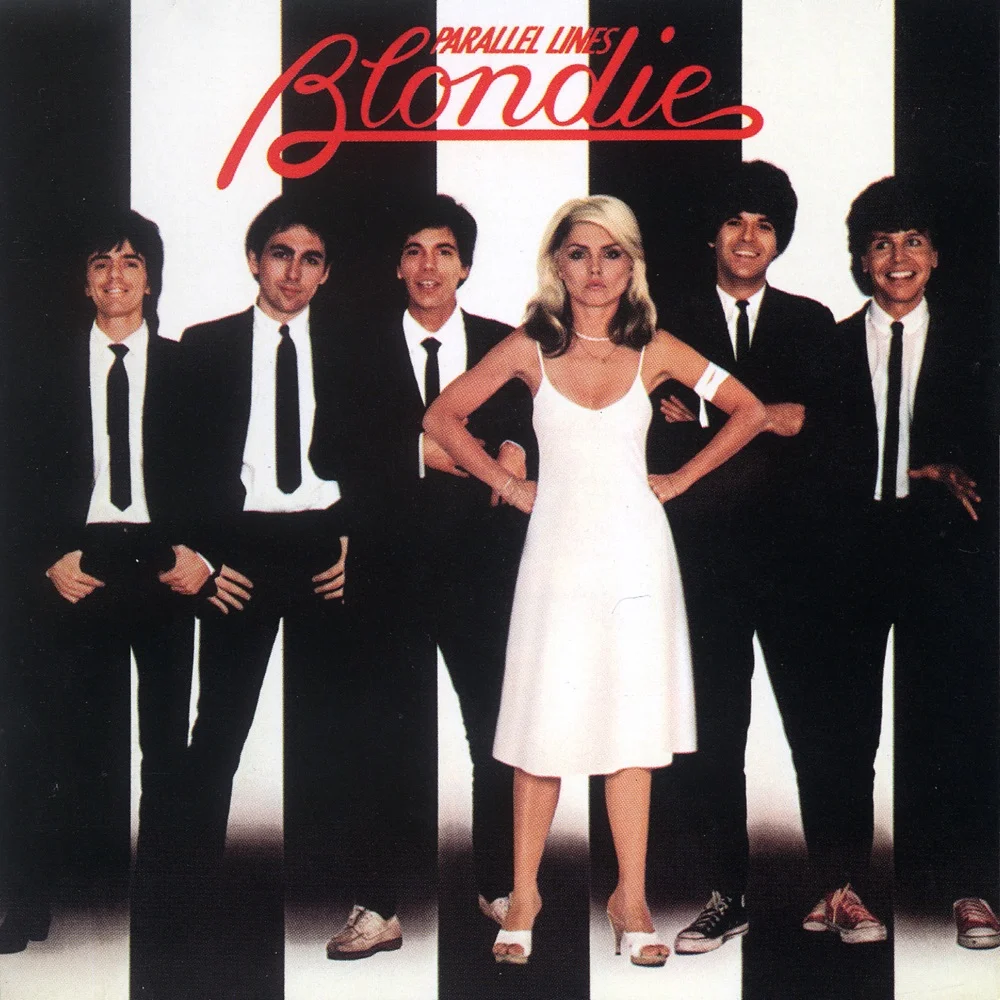
The Ultimate Disco Vocal Challenge
Released in 1978, "Heart of Glass" transformed Blondie from punk rockers to global superstars. While the instrumentation is pure disco, Debbie Harry's vocal performance is uniquely cool, detached, and technically precise. It sits right in the "passaggio" for many singers, requiring a smooth transition between chest resonance and a light, airy head voice.
To sing this well, you must resist the urge to belt. The magic of this track lies in its effortless delivery. Let's break down exactly how to tackle the verses and those famous high notes.
Phase 1: The Verses (0:00 - 0:50)
The song begins in E major. The opening lines sit in a comfortable mid-range for Mezzo-Sopranos. The challenge here is attitude. You want a "spoken" quality to the singing.
The Trap: Singers often drag the tempo. The vocals need to be punchy and rhythmic. Treat your voice like a percussion instrument during the "Da da da" sections.
Phase 2: The Siren Call (The High "Oohs")
This is the most recognizable part of the song. The vocal melody jumps up an octave to a sustained E5. This must be sung in a clean head voice or falsetto.
- Placement: Visualize the sound coming out of the top of your head. If you try to pull your chest voice up this high, you will strain.
- Vowel Shape: Keep the "Ooh" narrow. Pucker your lips slightly. A wide mouth shape will spread the sound and make it flat.
- Breath Support: These notes are long. Engage your diaphragm before you start the phrase so you don't run out of air halfway through.
Phase 3: The Bridge ("Lost inside...")
Here, the emotional intensity increases. You can allow a little more chest resonance to creep into the mix to create a fuller sound compared to the verses. The lyrics "Love is so confusing, there's no peace of mind" should feel slightly more urgent.
Be careful with the word "Blind" at the end of the phrase—it's a sustained note that requires steady airflow to keep from wobbling.