 Singing Coach AI
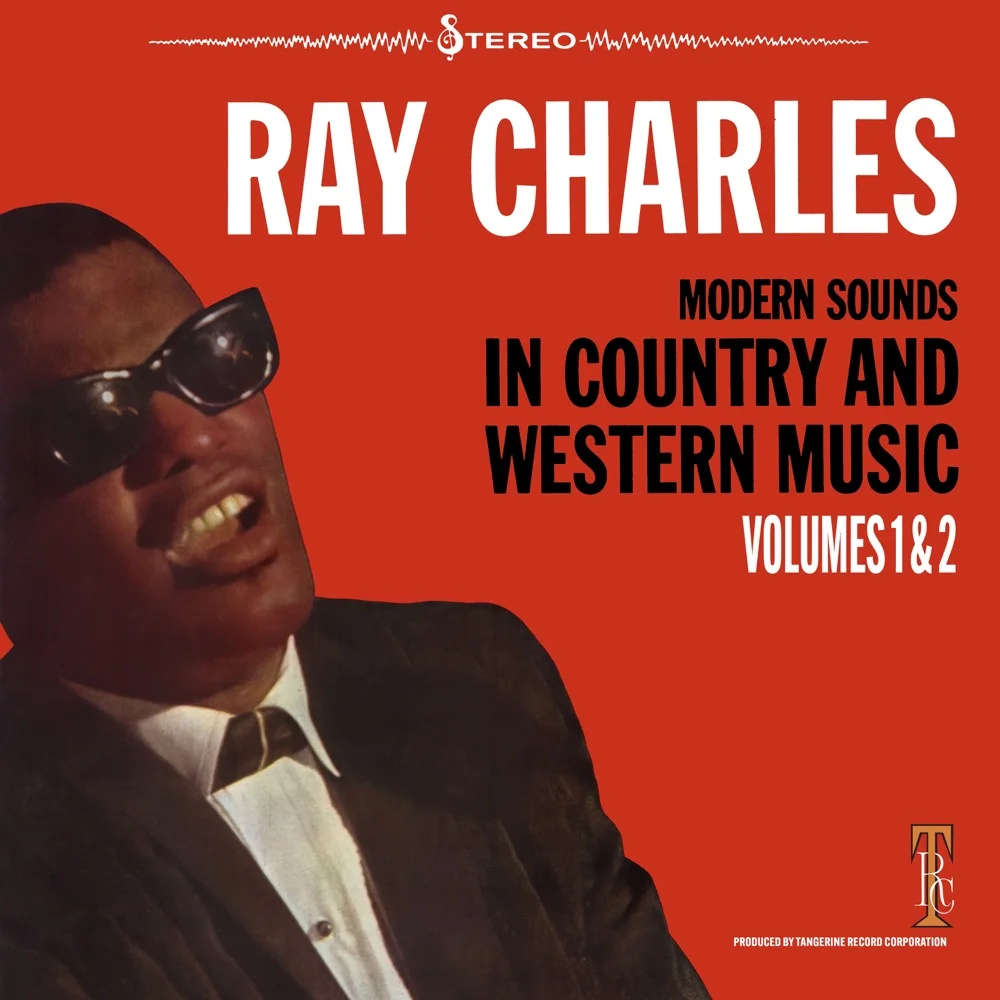
Mastering the Soul-Country Standard
Ray Charles' rendition of "I Can't Stop Loving You" is a masterclass in genre-bending. Originally a country song by Don Gibson, Ray slowed it down and injected it with deep gospel and soul influences. For a singer, the challenge isn't just hitting the notes—it's about the "cry" in the voice and the rhythmic freedom.
To sing this authentically, you need to balance a clean chest voice with moments of raw emotion. You must be comfortable singing behind the beat (back-phrasing) while maintaining the tempo of the ballad. Let's break down the technique.
Phase 1: The Verses (Low & Warm)
The song starts in F major. The verses ("Those happy hours...") sit in a comfortable range for most Baritones and Tenors (around C3-C4). The goal here is warmth.
The Trap: Because the range is low, singers often drop their breath support, leading to a "fry" or muddy sound. Keep your posture tall and your core engaged even on the quiet notes to maintain resonance.
Phase 2: The Chorus (The Belt)
When the chorus hits ("I can't stop loving you..."), the energy lifts. You need to access your upper chest voice or a strong mix to hit the F4 comfortably.
- Vowel Modification: On the word "You," modify the vowel towards "Uh" or "Oh" (Yuh/Yoh). Singing a wide "Ee" vowel on an F4 will cause tension and sound thin.
- Resonance: Aim the sound towards your hard palate. Ray Charles uses a lot of "twang" here to cut through the rich orchestral arrangement.
- Dynamics: Don't start at 100% volume. Build into the phrase so the end of the line feels the most powerful.
Phase 3: The Bridge and Ending
The bridge ("They say that time...") requires a mournful, pleading tone. This is where you can use "grace notes"—sliding quickly from a note below to your target pitch. The ending allows for ad-libs. Don't over-sing them; focus on the melody and let the choir support you.