 Singing Coach AI
The Ultimate Revenge Anthem
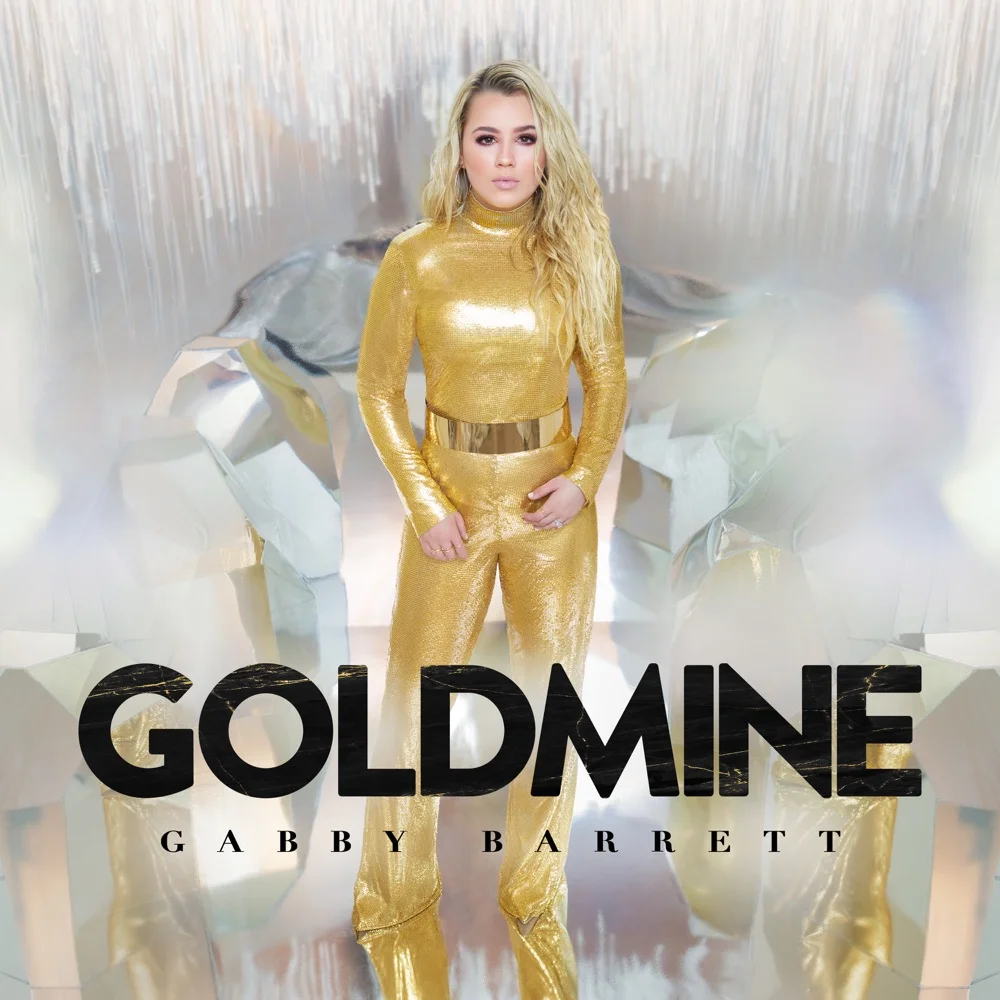
"I Hope" is a powerhouse duet that bridges the gap between Country and Pop/R&B. Originally released by Gabby Barrett, this remix featuring Charlie Puth adds a layer of smooth male vocals to contrast Barrett's gritty delivery. It's a song defined by its dynamics—moving from a whispered, conversational verse to an explosive, belted chorus.
Singing this track requires more than just hitting notes; it requires acting. You need to convey the sarcasm in the "good wishes" and the pain behind the anger. Let's break down the technical requirements to nail this performance.
Phase 1: The Verse (0:00 - 0:50)
The song starts low in the F#3 range. For female vocalists, this requires a solid chest voice presence. If you sing this too breathy, the lyrics lose their bite. Keep your volume at a mezzo-piano but maintain intensity.
The Trap: It's easy to rush the rhythm here because the lyrics are conversational. Stay in the pocket of the beat, especially on lines like "I hope she's wilder than your wildest dreams."
Phase 2: The Chorus Belt (0:50 - 1:30)
The dynamic shifts dramatically. You are belting a C#5 on the word "Hope." This is the emotional peak.
- Resonance: To sustain this belt safely, you need to lift your soft palate and drop your jaw. If your jaw is tight, the sound will be thin and strained.
- Twang: Use vocal twang (a brighter, piercing quality) to help cut through the heavy production without shouting.
- Breathing: There is very little space to breathe between the repeated "I hope" phrases. Take a deep, low diaphragmatic breath before the chorus hits.
Phase 3: The Charlie Puth Verse (1:45 - 2:30)
When Charlie enters, the vibe shifts to R&B. The melody becomes more fluid with subtle runs and riffs. Whether you are singing this as a duet or covering his part solo, smooth out your tone. Contrast the sharp attacks of the first verse with a slightly breathier, legato approach here to match his style.