 Singing Coach AI
Defining the 90s R&B Sound
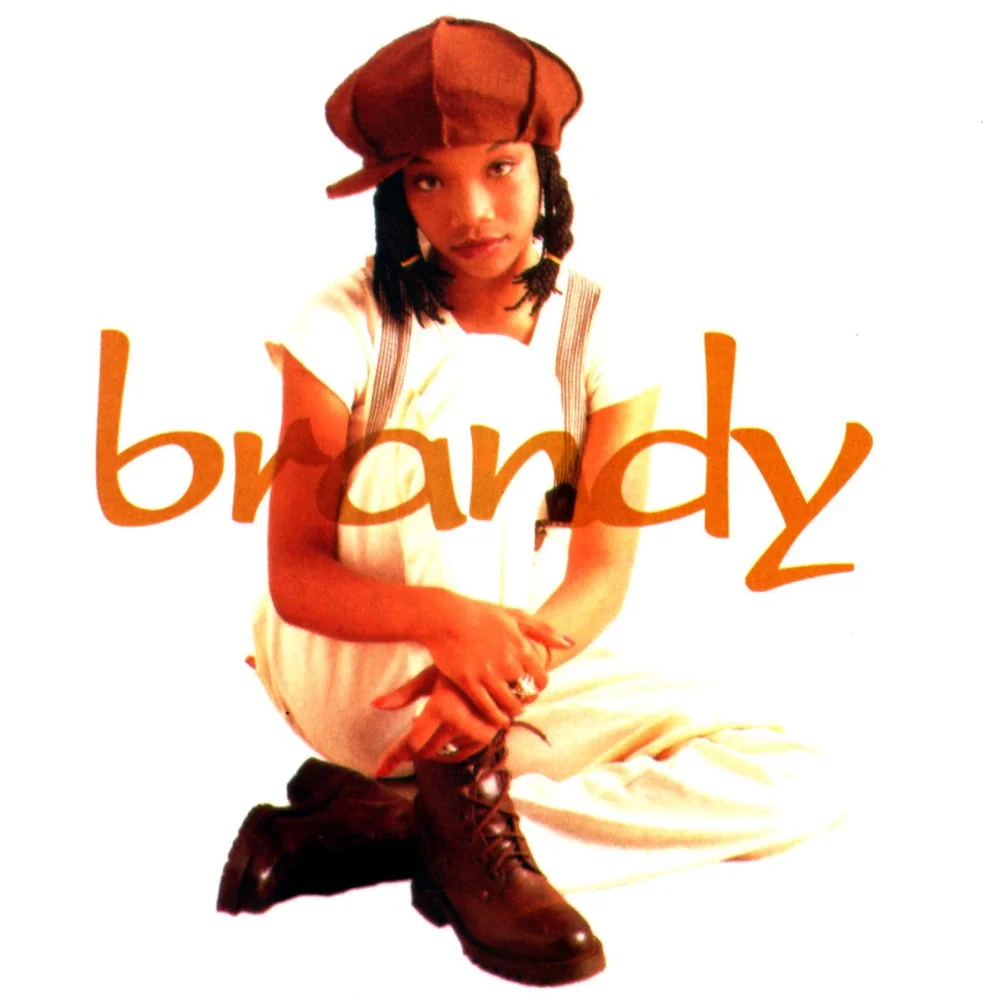
"I Wanna Be Down" is the debut single that introduced the world to Brandy, earning her the nickname "The Vocal Bible." Released in 1994, this mid-tempo hip-hop soul track showcases her signature rasp, intricate runs, and unique rhythmic phasing. Unlike power ballads that rely on sheer volume, this song relies on groove, texture, and attitude.
To sing this well, you need to master the art of "singing in the pocket"—staying perfectly locked in with the beat without rushing. Let's break down exactly how to tackle Brandy's vocal style, section by section.
Phase 1: The Verses (Groove & Tone)
The verses sit in a comfortable lower register (G3-A3). The melody is conversational but highly rhythmic. The challenge here is not hitting the notes, but delivering them with the right "bounce."
The Trap: Many singers rush the lyrics "I would like to get to know if I could be..." Stay relaxed. Think of the vocal line as a percussion instrument interacting with the bassline. Keep your volume moderate; this is not a belt.
Phase 2: The Chorus (The Hook)
The chorus ("I wanna be down with you...") is repetitive, which means you must maintain energy without sounding monotonous. Brandy layers harmonies here, but the lead vocal requires a smooth mix.
- Tone: Keep it breathy but supported. Don't push too hard from the chest.
- Phrasing: Emphasize the word "down" slightly, but let it slide off quickly. The hook needs to feel effortless.
Phase 3: The Ad-libs & Runs (The Outro)
This is where the difficulty spikes. Towards the end of the track, Brandy unleashes her agility. She uses quick, pentatonic runs that cascade down the scale.
To nail these, practice slowly. Break the runs down note-by-note on a piano. Precision is key—smearing the notes together will lower your pitch accuracy score. Use a lighter head-voice mix for the higher ad-libs reaching up to C5 and D5.