 Singing Coach AI
The Art of Conversational Singing
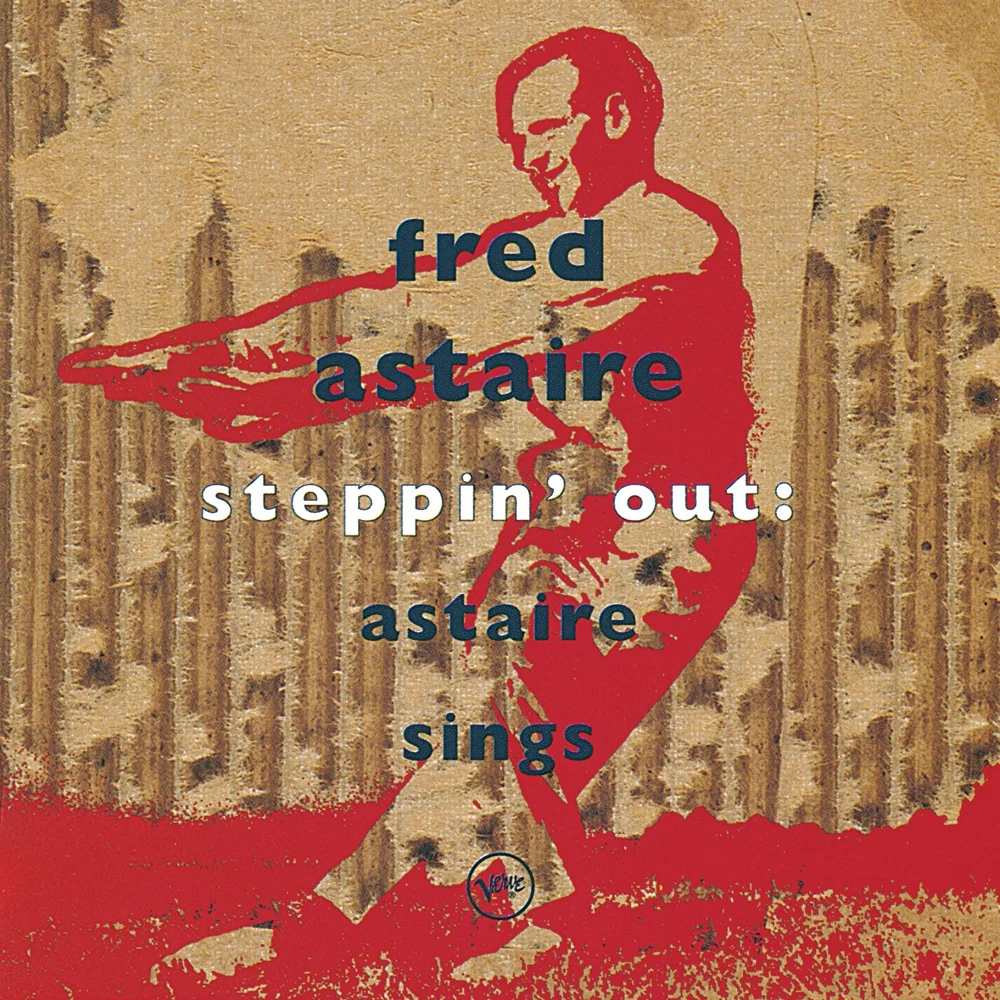
Fred Astaire was not known for a massive vocal range or powerful belting; he was a master of phrasing, rhythm, and charm. Singing "I Won't Dance" requires you to act the lyrics as much as you sing them. Composed by Jerome Kern, this song demands precision and a relaxed, "back-phrasing" technique common in the swing era.
To perform this well, you need to abandon the need to be loud. Instead, focus on diction and the rhythmic bounce that makes the song swing. Let's break down the approach, section by section.
Phase 1: The Rhythmic Hook (0:00 - 0:45)
The song opens with the titular line, "I won't dance, don't ask me." This sits in a very comfortable speaking range (C3-C4). The challenge here is the syncopation. You shouldn't sing exactly on the beat like a metronome.
The Trap: Rushing. The band is swinging, which means the beat has a triplet feel. If you sing the eighth notes too straight, you will sound stiff. Lay back in the pocket of the groove.
Phase 2: The Bridge (0:45 - 1:30)
When the lyrics shift to "When you dance, you're charming and you're gentle," the melody becomes more legato (smooth and connected). This provides a necessary contrast to the choppy, rhythmic verses.
- Breath Support: Connect the phrases. Don't take a breath in the middle of a thought.
- Tone Color: Warm up your tone here. Add a little more "chest resonance" to emphasize the romantic nature of the lyrics.
- Pitch Accuracy: Watch out for the chromatic steps. The melody weaves up and down in half-steps, which can be tricky to tune perfectly.
Phase 3: The Character Performance (1:30 - End)
Astaire sells the song by sounding like he is genuinely conflicted about dancing. As the song builds to the end, you can allow a bit more volume, but never shout. The high note (E4) on "music" should be easy and light, not strained.
To finish strong, focus on the final cutoff. In swing music, the band stops together—make sure your final note ends exactly with the instrumentation.