 Singing Coach AI
The Marathon of Power Ballads
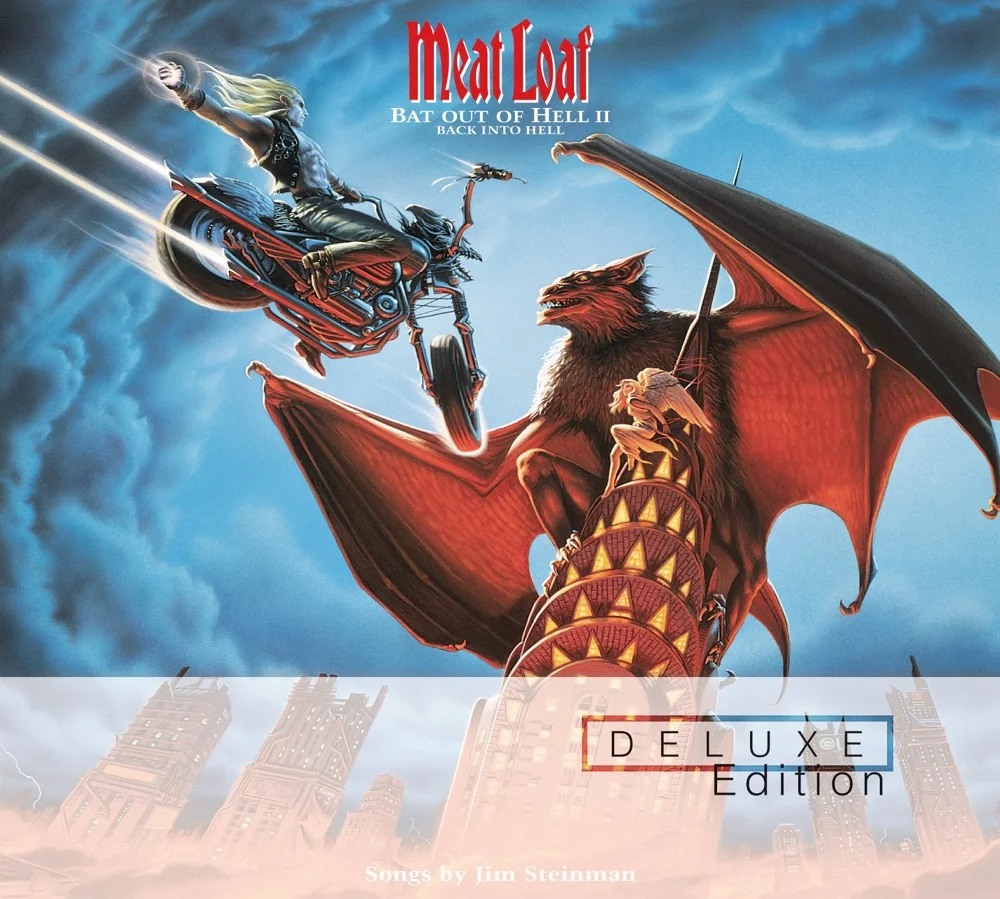
Written by Jim Steinman for the 1993 album Bat Out of Hell II: Back into Hell, this song revived Meat Loaf's career and became one of the biggest rock anthems of all time. Clocking in at 12 minutes (album version), it is a test of pure endurance. It combines hard rock aggression with the emotional nuance of musical theater.
To sing this well, you cannot go 100% power from the start. You need to pace yourself, managing your breath during the verses so you have enough "gas in the tank" for the explosive choruses and the demanding finale.
Phase 1: The Build Up (Verses)
The song starts in a lower register. The verses ("And I would do anything for love...") should be approached with a conversational tone. Ensure your chest resonance is warm but not pushed.
The Trap: Many singers start too loud. Use a breathy onset for the quieter moments to contrast with the "wall of sound" that comes later. This dynamic range is what makes the performance compelling.
Phase 2: The Power Belt (Choruses)
When the full band kicks in, you need to access your mixed voice. The lines often hover around D4-F#4, peaking at G#4 on the big ad-libs. This requires massive core support.
- Vowel Modification: On high notes like "Love," modify the vowel towards "Luh-v" or "Lah-v" to drop the jaw and raise the soft palate. This creates more space and prevents straining.
- Placement: Keep the sound forward in the "mask" of your face to cut through the heavy instrumentation.
Phase 3: The Duet (Finale)
The final section features a female vocalist (Lorraine Crosby). This is a call-and-response section. As Meat Loaf, you must switch from the aggressor to the vulnerable partner. Your tone should soften here, blending with the female part rather than overpowering it.
The final line, "I won't do that," requires a distinct tonal shift—it's a resolution, sung with finality and a drop in volume.