 Singing Coach AI
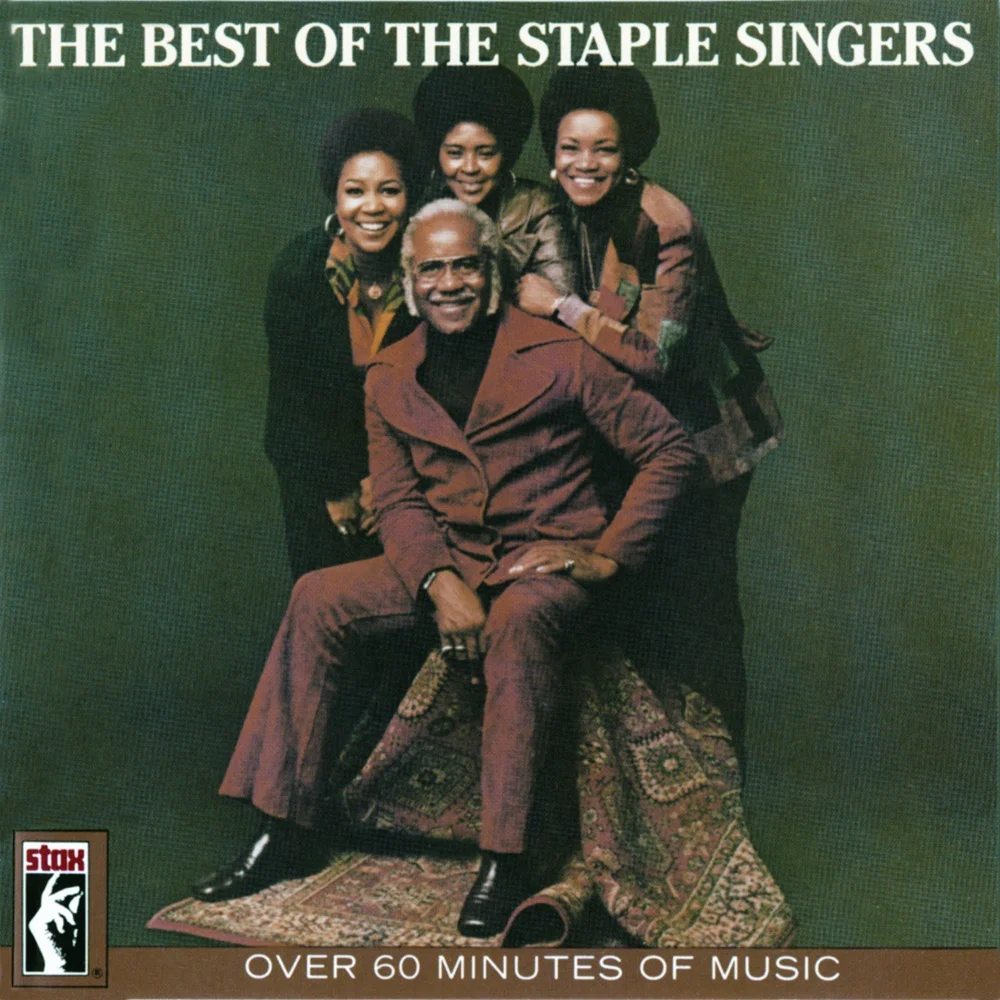
The Ultimate Soul Groove
"I'll Take You There" is a defining anthem of the 1970s Stax sound. Led by the legendary Mavis Staples, the song is famous for its infectious bassline (played by David Hood) and its "call-and-response" vocal structure. Unlike pop songs that rely on complex melody changes, this track stays parked on a C Major groove, meaning your challenge is tone, timing, and improvisation.
To sing this well, you need to channel your inner gospel preacher. It's not about being pretty; it's about being believable. Mavis uses a deep, resonant chest voice that sits comfortably in the contralto range.
Phase 1: The Verse (The Set Up)
The song opens with Mavis improvising over the intro. When the verse hits ("I know a place..."), keep your volume at a medium level (mezzo-forte). The notes are simple, hovering around the root note C and the third E.
Technique: Focus on a warm, open chest resonance. Avoid nasal placement. Think of the sound vibrating in your sternum.
Phase 2: The Chorus (Call and Response)
The title line "I'll take you there" is sung in harmony with the backing vocals. You are the leader here. You need to punch the words "I'll" and "Take" to cut through the mix.
- Rhythm: The lyrics are syncopated. Listen closely to the bassline; your vocals should lock in with it.
- Dynamics: Build intensity with each repetition. Mavis gets grittier as the song progresses.
Phase 3: The Ad-libs (The Soul)
This is the hardest part to score high on because it requires improvisation. After the instrumental break, Mavis unleashes a series of "Mercy!" "Help me now!" and "Big smilin' faces!" exclamations.
To nail this, you need to access your "fry" or "rasp." This isn't done by squeezing your throat, but by relaxing your vocal folds to allow irregular vibration, mixed with high airflow. It's an emotional release, not a physical strain.