 Singing Coach AI
The Queen of Blues Rock Vocals
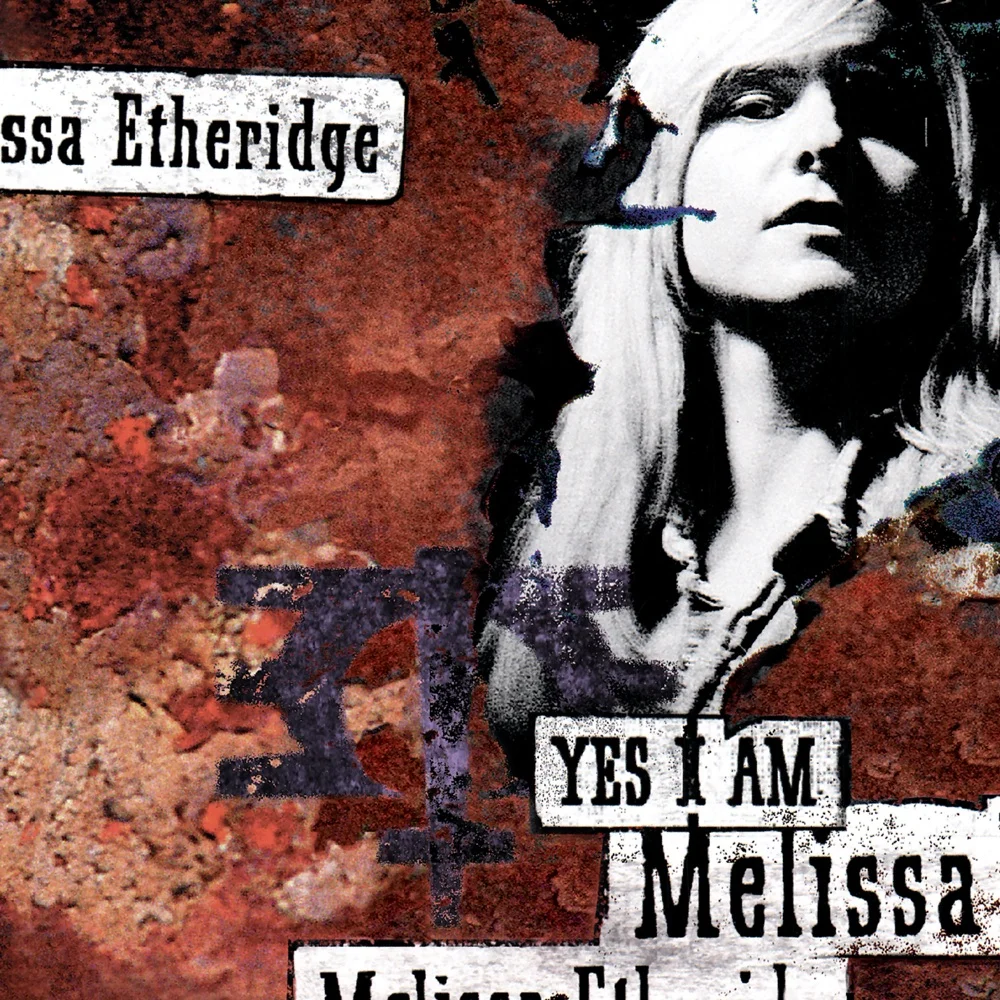
"I'm The Only One" is a defining track from Melissa Etheridge's 1993 album Yes I Am. It combines a sultry, low-end verse with an explosive, gritty chorus. The challenge in this song isn't just range—it's texture. Melissa’s voice is famous for its raspy, soulful quality, and mimicking this safely requires excellent technique.
You need to manage your breath support carefully. The verses are quiet and seductive, sitting in the lower register (G3), while the chorus demands a full-throated belt up to C5. Let's break down how to handle the dynamics.
Phase 1: The Verse (The Low End)
The song begins with a sultry groove. The vocals sit around G3-Bb3. For sopranos, this might feel low. The key is to keep the sound forward in the mask rather than letting it fall back into the throat, which makes it sound muddy.
The Trap: Don't speak the lyrics—sing them with legato phrasing. The line "Please baby can't you see" needs to slide between notes smoothly to capture that bluesy feel.
Phase 2: The Pre-Chorus (Building Tension)
As you hit the line "But when he calls me..." the energy shifts. You need to start mixing more chest resonance into your voice. The volume should increase naturally, not by forcing, but by anchoring your breath lower in your body.
- Dynamics: Start medium-soft and get louder with every bar.
- Emotional Delivery: This section is about desperation. The AI Coach tracks how well you match the dynamic swell here.
Phase 3: The Chorus Belt (Power)
This is the release. "But I'm the only one" hits the C5 with power. This note should be sung with an open throat (think of the vowel 'Ah' or 'Uh') to avoid pinching.
To get Melissa's sound, you need to lean into the vowels. Allow your voice to break or crack intentionally at the very end of phrases for stylistic effect, but keep the core of the note solid and supported.