 Singing Coach AI
Mastering the "Queen of Rasp"
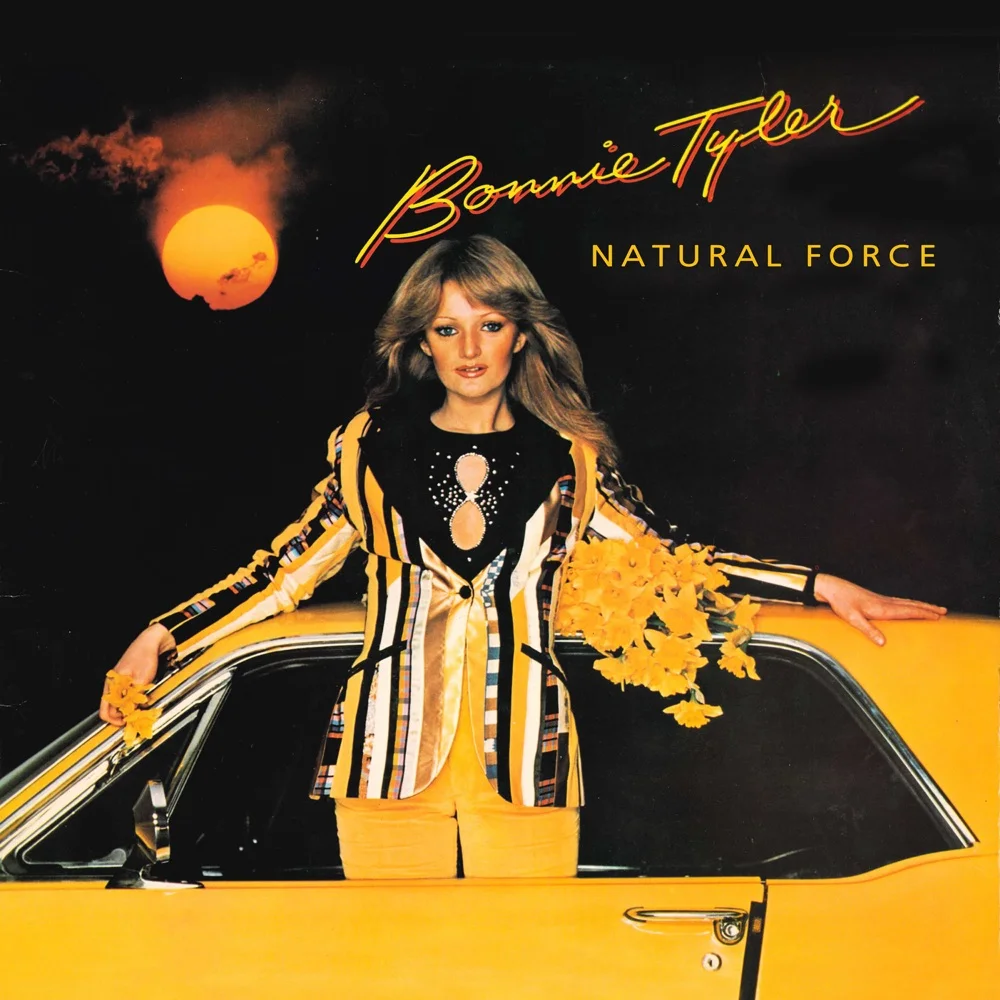
Released in 1977, "It's A Heartache" defined Bonnie Tyler's career and showcased her distinct, gravelly voice. Often compared to Rod Stewart, Tyler's vocal style combines the storytelling of country music with the grit of rock. The song sits in C Major, which provides a solid foundation for the chest voice to shine.
The challenge with this song isn't necessarily hitting high notes, but maintaining the texture (timbre) without damaging your vocal cords. It requires a balance of relaxation and controlled constriction. Let's look at how to approach it.
Phase 1: The Verses (Low & Breath)
The opening lines, "It's a heartache, nothing but a heartache," start low around E3/G3. Tyler sings this with a mix of breathiness and fry. It sounds weary and defeated.
The Trap: Don't sing this too cleanly. If you use a pure, bell-like tone, you lose the emotional weight. Allow a little air to escape with the sound, but keep your diaphragm engaged to support the pitch.
Phase 2: The Chorus (The Power Push)
As the song builds, the melody climbs to C5. Here, the rasp becomes more aggressive. The lyrics "It's a fool's game" need to be punched.
- Vowel Modification: Open your mouth taller on the "A" vowels (like in "game" or "rain") to allow more volume without strain.
- Compression: Use safe vocal compression. Think of the sound you make when lifting something heavy, but apply it gently to the singing voice.
- Dynamics: The contrast between the soft verses and loud chorus is essential for a high score in the app.
Phase 3: The Country-Rock Phrasing
Bonnie Tyler often sings slightly behind the beat, giving the track a laid-back feel. Avoid being too robotic or "on the grid." Drag the ends of phrases slightly to mimic that classic 70s rock style.