 Singing Coach AI
The King of Christmas Waltzes
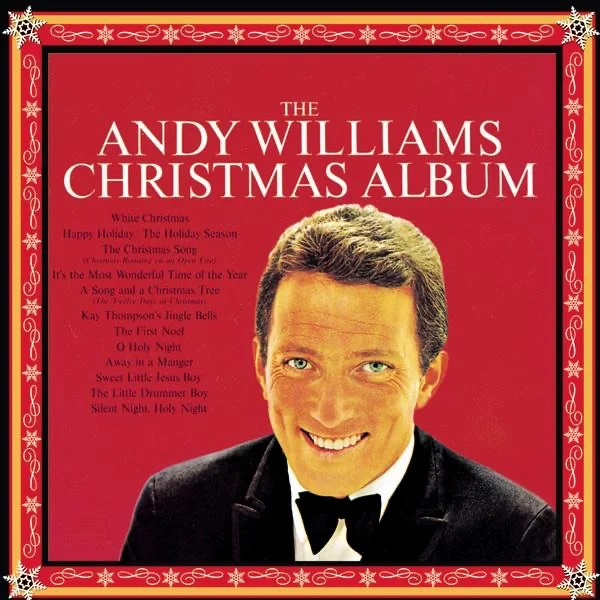
"It's The Most Wonderful Time Of The Year" is a staple of the holiday season. Released in 1963 on The Andy Williams Christmas Album, this track stands out because of its infectious energy and its 3/4 time signature (a waltz), which gives it a swinging, dancing feel compared to the standard 4/4 pop ballads.
To sing this well, you need to channel a "crooner" mentality—smooth legato lines mixed with punchy, rhythmic articulation during the fast sections. Let's break down exactly how to tackle it, section by section.
Phase 1: The Verses (Legato & Smile)
The song is in D Major. Andy Williams sings with a very "forward" placement. Try singing with a slight smile (raising your cheekbones); this brightens the tone and helps you match his festive resonance without straining your throat.
The Trap: Don't drag the tempo. The orchestra is driving forward. Keep your consonants crisp, especially on "kids jingle-belling" and "everyone telling."
Phase 2: The Bridge (0:52 - 1:07)
This is the hardest part for breath control. The lyrics "There'll be parties for hosting, marshmallows for roasting, and caroling out in the snow" come rapidly. You need to articulate clearly.
- Ghost Stories: The phrase "scary ghost stories" is often slurred. Practice this slowly to ensure the 'st' sounds are distinct.
- Glories of Christmases: This line ascends in pitch. Support it with your diaphragm, or the note will sound thin.
Phase 3: The Big Finish (2:10 - End)
The final section builds to a climax. The line "It's the most... wonderful time..." slows down. The final note on "Year" is a sustained F#4. This is a classic belt note for a Baritone or Tenor.
To hit the F#4 comfortably, drop your jaw vertically to create space. Do not close your mouth on the 'r' in 'Year' too early; hold the vowel sound 'Yeah' until the very end, then close to the 'r'.