 Singing Coach AI
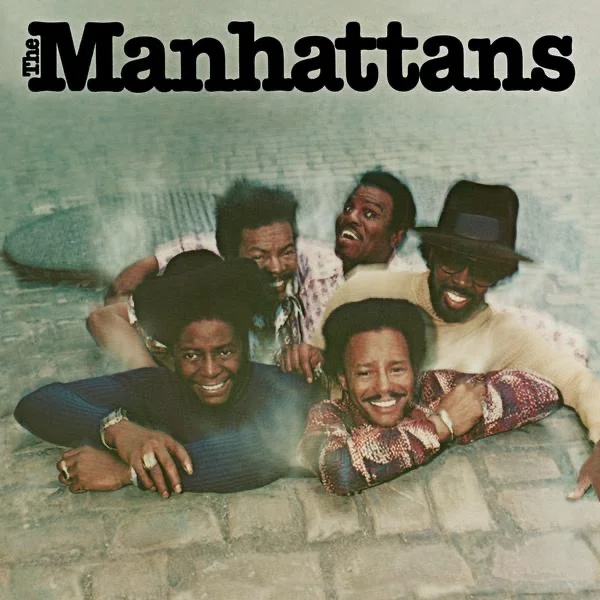
The Ultimate Breakup Ballad
"Kiss And Say Goodbye" is a masterclass in R&B storytelling. Released in 1976 by The Manhattans, it became a chart-topping hit not just for its melody, but for its unique structure. It features a deep, spoken monologue by bass singer Winfred "Blue" Lovett, followed by the soaring tenor vocals of Gerald Alston.
To sing this track effectively, you must be an actor as much as a singer. The transition from the conversational low notes to the melodic high notes requires distinct shifts in resonance and attitude.
Phase 1: The Monologue (0:00 - 1:15)
The song begins with one of the most famous intros in music history: "This has got to be the saddest day of my life." This isn't sung; it is spoken in a deep Bass register (hovering around A1 to B1).
The Trap: Rushing the words. Lovett speaks slowly, with pauses that carry weight. Focus on the rhythm of the speech. Treat the commas as musical rests. Keep the volume intimate, as if whispering into a phone.
Phase 2: The Tenor Melody (1:15 - 2:50)
When Gerald Alston enters with "I had to meet you here today," the song shifts to a smooth Tenor range. The key is E Major. The singing style here is legato—smooth and connected.
- Breath Control: The phrases are long. "There's just so many things to say" requires a steady stream of air to avoid cutting the note short.
- Placement: Unlike the intro, the singing voice should be placed forward in the "mask" (the front of the face) to get that bright, soulful tone.
Phase 3: The Climax & Ad-libs (2:50 - End)
As the song progresses towards the outro ("Let's just kiss and say goodbye"), the emotional intensity rises. You will need to access your upper mixed voice to hit the C#5s safely.
Allow your vibrato to widen slightly at the ends of phrases to convey emotion. The ad-libs should feel spontaneous but must remain strictly in key. Use the app to practice the specific pentatonic runs used in the original recording.