 Singing Coach AI
Mastering Blue-Eyed Soul
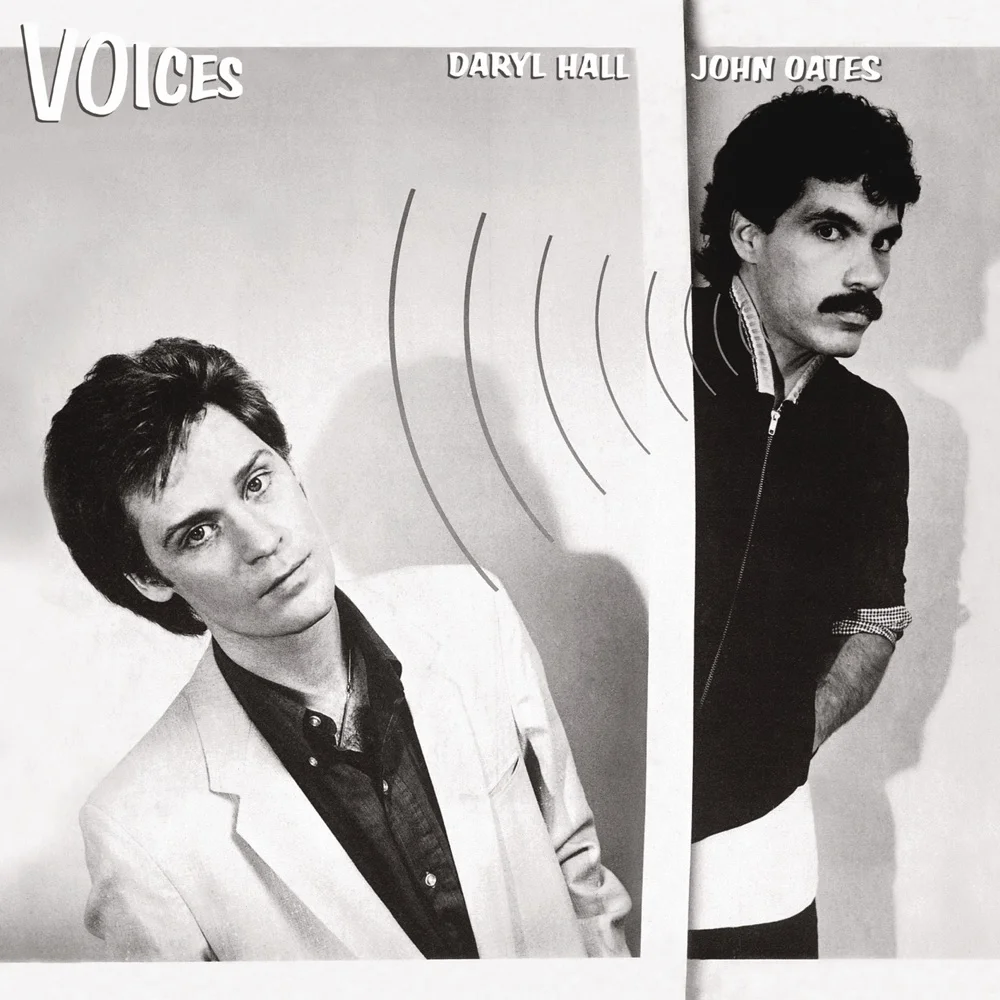
Released in 1980 on the album Voices, "Kiss On My List" became one of Hall & Oates' signature hits. It combines a driving piano riff with Daryl Hall's agile tenor vocals. Unlike a power ballad that relies on sustained belts, this song relies on groove and staccato phrasing.
To sing this authenticallly, you need to stay light on your feet (vocally speaking). The melody moves quickly, and heavy chest voice dragging will cause you to sound flat and behind the beat.
Phase 1: The Verses (Low/Mid Range)
The verses sit comfortably in the C3 to G3 range for most male voices. The challenge is tone. You want a conversational, storytelling approach. Don't push too much air. Keep your volume at a conversational level to allow room for the chorus to grow dynamically.
The Trap: Many singers go flat on the descending lines at the end of phrases. Keep your soft palate lifted to maintain brightness in the lower notes.
Phase 2: The Chorus (The Hook)
The famous line "(Because your kiss) is on my list" jumps up in range. The lead vocal dances around the E4 and F4 notes.
- Harmonies: The recording is stacked with harmonies. If you are singing the lead, focus on the melody line that stays centered.
- Placement: Shift your resonance from your chest to your "mask" (nose and cheekbones). This forward placement helps you cut through the piano chords without straining.
Phase 3: The Bridge & Ad-libs
As the song progresses, Daryl Hall introduces more melisma and ad-libs, reaching up to A4 and occasionally flipping into falsetto (C5). When singing "I go crazy," ensure you are bridging smoothly into your head mix. If you feel tension in your neck, you are pulling too much chest weight up.
Practice the "nay-nay-nay" exercise on the melody to help thin out your vocal cords before attempting the lyrics.