 Singing Coach AI
Mastering the Iconic Falsetto
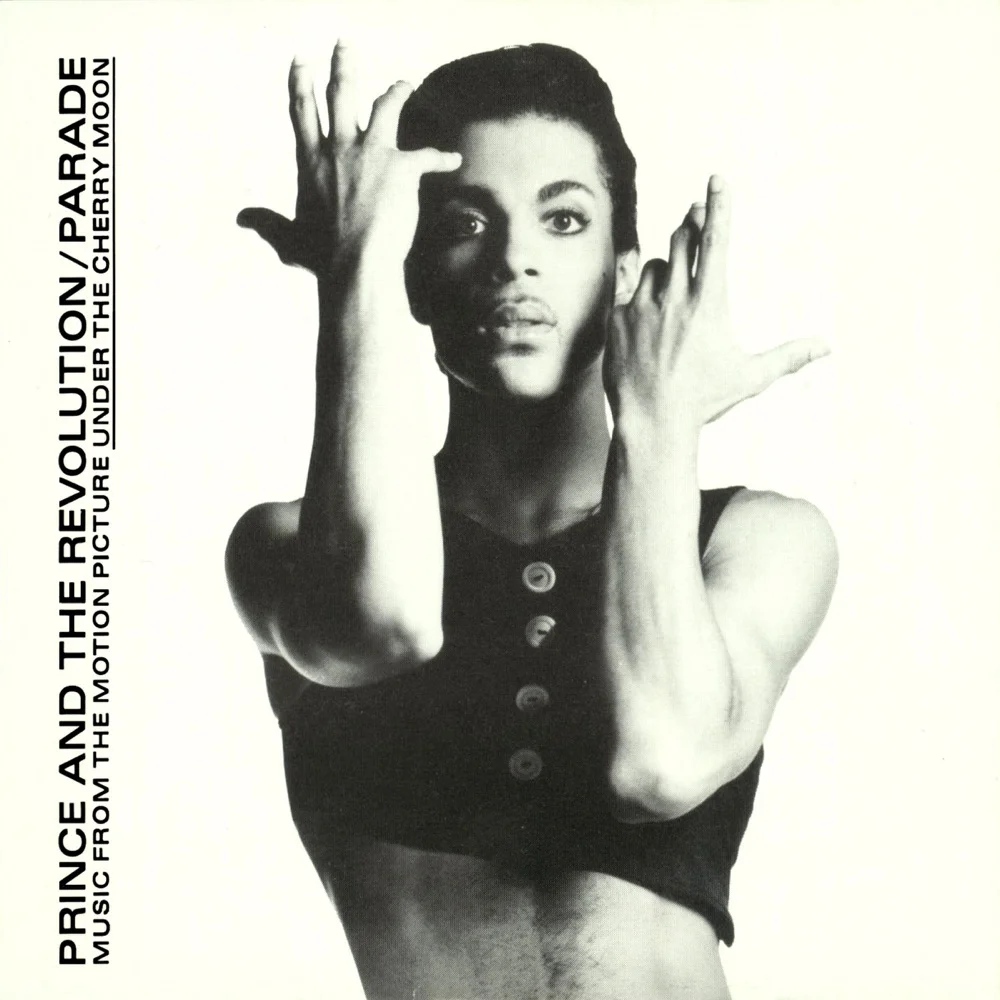
Prince's "Kiss" is a masterclass in minimalism. Released in 1986 on the Parade album, the track stripped away the reverb and heavy instrumentation of the 80s, leaving the vocals completely exposed. This means there is nowhere to hide.
To sing this well, you need exceptional control over your head voice (falsetto). The song is sung almost entirely in this upper register, requiring stamina and a forward placement to maintain that sharp, piercing quality without sounding breathy.
Phase 1: The Verse (Rhythm & Diction)
The song begins in A Major. The delivery of lines like "You don't have to be beautiful" is conversational but highly rhythmic. You are acting as a percussion instrument here.
The Trap: Many singers drag the tempo. You must sit right on top of the beat, or even slightly ahead of it, to capture that nervous, funky energy. Keep your consonants crisp (T's and K's).
Phase 2: The Chorus (Sustain)
In the chorus, the melody smooths out. "I just want your extra time and your... kiss." The word "kiss" is short and punchy, but the lead-up requires a smooth legato line in the falsetto.
- Placement: Feel the vibration in your nasal mask and forehead, not your throat.
- Dynamics: Keep it light. If you push too much air, your falsetto will break or sound like a shout.
Phase 3: The Attitude & The Scream
The bridge and outro feature Prince's signature screams, reaching up to C6. This is pure attitude. To hit these high squeals safely, use a "pharyngeal" cry—similar to a whimper sound but supported by the diaphragm.
Don't be afraid to add vocal fry at the start of phrases to emulate Prince's growl before snapping back into the clean falsetto.