 Singing Coach AI
The Ultimate 80s Pop Anthem
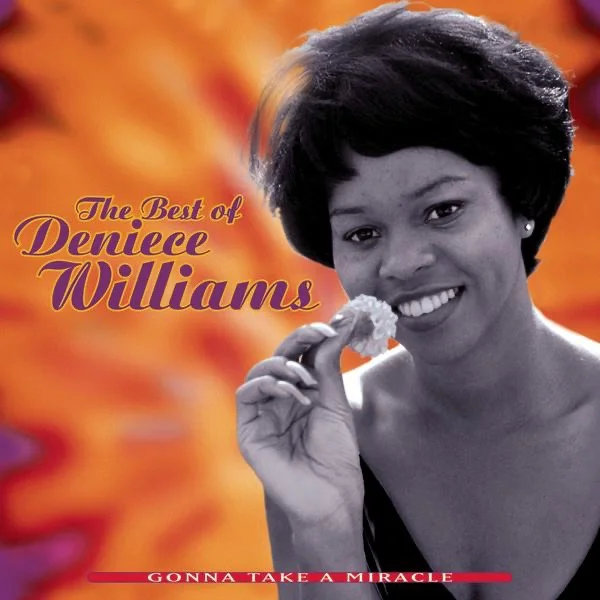
Deniece Williams' "Let's Hear It For The Boy," famously featured on the Footloose soundtrack, is a masterclass in bright, agile pop singing. While the song feels light and effortless, it requires significant stamina and precise placement to maintain that signature sparkle without fatigue.
The song stays primarily in a mix-dominant register. It eschews heavy chest belting for a "forward" placement that cuts through the synthesizer-heavy production. Let's break down exactly how to tackle the verses, chorus, and those iconic ad-libs.
Phase 1: The Bouncy Verse
The verses ("My baby, he don't talk sweet...") require a rhythmic, almost staccato delivery. The key here is not to drag. The melody moves quickly over the beat.
The Trap: Singers often get lazy with their diction here. Ensure your consonants are crisp so the lyrics pop out over the groove. Keep your volume moderate; save the power for the chorus.
Phase 2: The Chorus Lift
When the chorus hits ("Let's hear it for the boy"), the melody jumps up. This section sits comfortably in the *passaggio* for many female singers (around B4-C#5). You need a strong, heady mix.
- Resonance: Aim for "nose and eyes" resonance rather than chest resonance.
- Breath: The phrases are long. Take a solid, low breath before "Let's hear it..." to sustain the energy through the line.
Phase 3: The Bridge and Ad-libs
The bridge ("Maybe he's no Romeo...") offers a moment of dynamic contrast, but the real challenge comes in the final choruses. Deniece Williams is known for her incredible whistle register and upper range. Throughout the outro, she adds high ad-libs reaching up to C#6.
If you cannot hit these notes safely, stick to the main melody or a lower harmony. Do not strain your throat trying to force these high squeals if you haven't developed your whistle register.