 Singing Coach AI
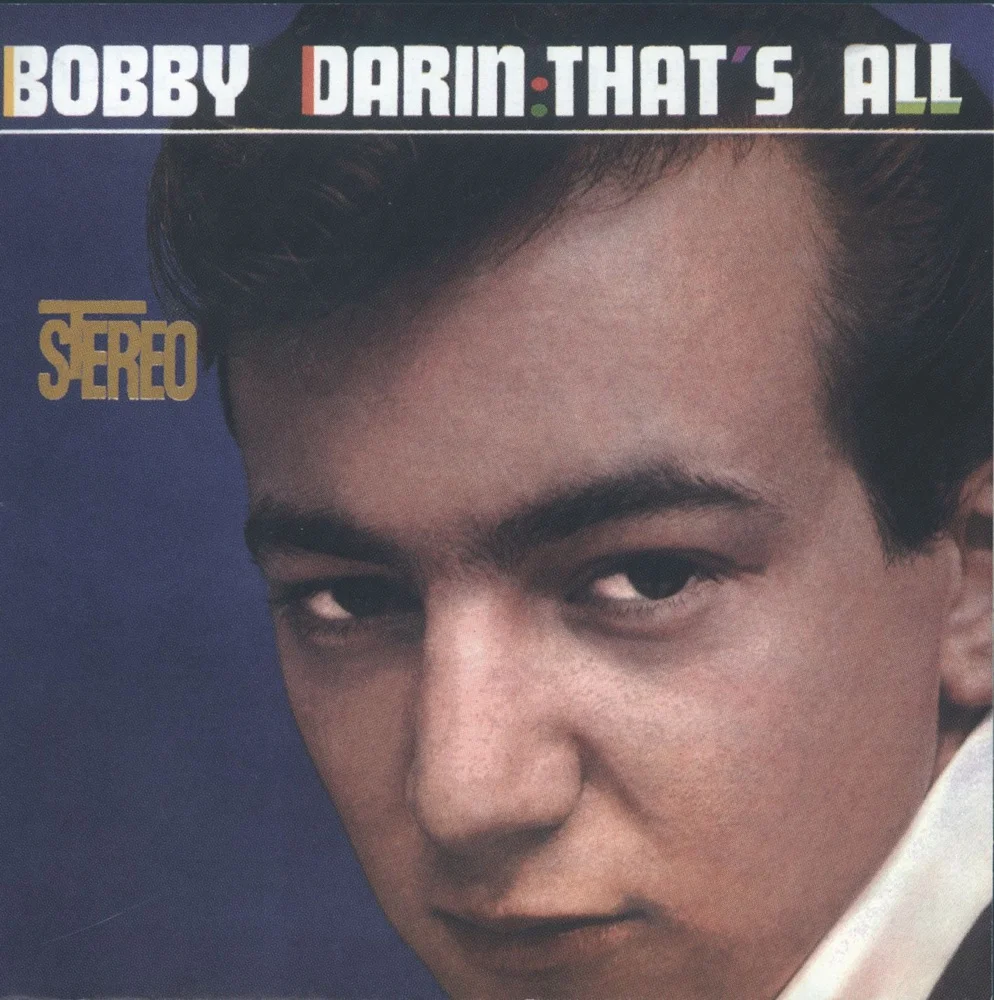
The King of Key Changes
Bobby Darin's 1959 recording of Mack The Knife is the definitive guide to Big Band swing vocals. Originally from The Threepenny Opera, Darin took this dark ballad about a murderer and turned it into a finger-snapping pop standard. It won the Grammy for Record of the Year for good reason: it builds excitement perfectly.
The secret to singing this isn't vocal acrobatics or high notes; it's about swagger and navigating the "staircase" of key changes without losing your pitch. Let's break down the strategy.
Phase 1: The Cool Intro (Bb Major)
The song starts with a simple bassline and brushes on the snare. You need to match this energy. Keep your volume low (mezzo-piano) and your tone breathy but controlled.
The Trap: Many singers start too loud. Save your volume. You have five key changes ahead of you, and you need somewhere to go dynamically.
Phase 2: The Modulations (The Staircase)
This is the technical challenge of the song. Every new verse shifts the key up by one semitone (half-step). This creates a sense of rising tension and excitement.
- Verse 1 & 2: Bb Major (Relaxed)
- Verse 3: B Major ("Now on the sidewalk...")
- Verse 4: C Major ("Now d'ya hear 'bout Louie Miller...")
- Verse 5: Db Major ("Jenny Diver...")
- Verse 6: Eb Major ("Sukey Tawdry...")
To nail these transitions, you must hear the band's leading chord. The AI Coach pitch tracker is essential here to ensure you aren't staying in the previous key.
Phase 3: The Big Finish (E Major)
By the time you hit the final modulation to E Major ("Look out old Mackie is back!"), you should be at full volume (forte). The diction needs to be sharper here to cut through the brass section. The final note is usually a sustained E4, which is comfortable for most male voices but requires good breath support to hold the "Yeah!" at the end.