 Singing Coach AI
The Art of the Talk-Singing Protest
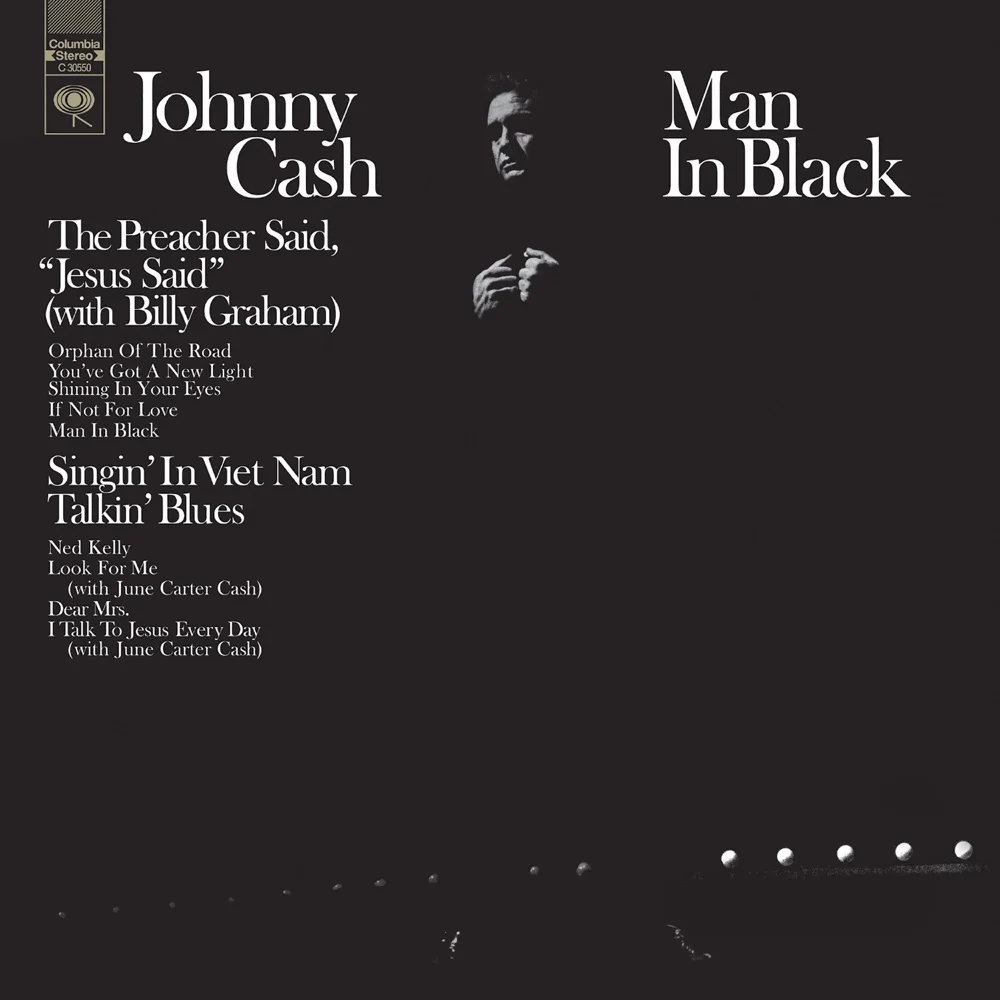
Johnny Cash's Man in Black is a masterclass in conviction. Unlike pop songs that rely on soaring melodies, this track relies on "talk-singing" (Sprechgesang) in a deep, resonant chest voice. Released in 1971, it served as Cash's explanation for his somber wardrobe, tackling issues from poverty to the Vietnam War.
To sing this well, you need to abandon the urge to be "pretty" and instead focus on being "grounded." The song sits comfortably in the Baritone range, but maintaining the rich tone without slipping into vocal fry is the primary challenge.
Phase 1: The Narrative Verses
The song is strophic, meaning the melody repeats for every verse with no distinct chorus change. The opening line, "Well, you wonder why I always dress in black," sets the tone. You must be rhythmic and percussive with your consonants.
The Trap: Because the melody is repetitive, it's easy to sound monotonous. You must use dynamics (volume changes) to highlight the story. Lean into words like "poor," "hungry," and "dark" to add emotional weight.
Phase 2: The Low End (F2 - A2)
Cash spends a lot of time hovering around the bottom of the staff. To project here, you need excellent breath support.
- Resonance: Place your hand on your sternum. You should feel it vibrating significantly when you sing the low lines.
- Airflow: Do not hold back air to sound "lower." Use a steady stream of air, or the sound will become creaky and weak.
- Vowels: Modify your vowels to be taller and darker (e.g., shape your mouth like an 'O') to enhance the bass frequencies.
Phase 3: The Build-Up
Towards the final verses ("I'd love to wear a rainbow every day"), the energy increases. While the pitch doesn't get much higher, the intensity does. You should increase your volume slightly and attack the consonants sharper to mimic the driving rhythm of the acoustic guitar strumming.