 Singing Coach AI
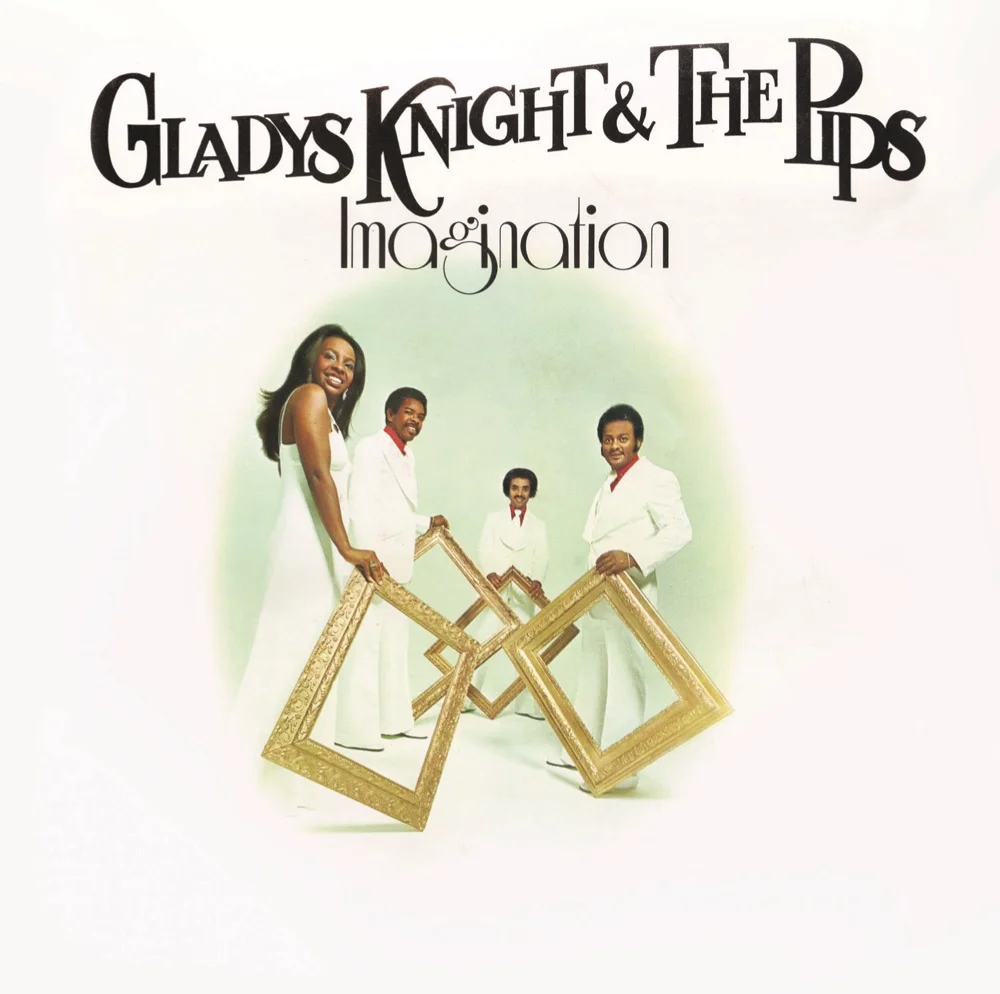
The Gold Standard of R&B Vocals
Gladys Knight's performance on "Midnight Train To Georgia" is a masterclass in storytelling and vocal dynamics. Released in 1973, this Grammy-winning hit tells the story of a man leaving Los Angeles to return to a simpler life, with the woman who loves him following close behind. The song relies heavily on the interaction between the lead vocal and the "Pips" (the backing vocalists).
To sing this well, you need to balance a conversational, low-register warmth in the verses with powerful, soulful belting in the choruses. Let's break down exactly how to tackle it, section by section.
Phase 1: The Verses (Storytelling)
The song begins in D♭ Major. The opening lines ("L.A. proved too much for the man") sit in a rich lower register (around F3-A3). The challenge here is not pitch, but tone.
The Technique: Treat these lines like you are speaking to a friend. Use a chest-dominant resonance but keep the volume at a medium level (mezzo-piano). If you push too hard here, you ruin the build-up.
Phase 2: The Chorus & The Pips
The magic of this song is the "Call and Response." Gladys sings a line ("I'll be with him") and the Pips respond ("I know you will"). As a solo singer, you have to leave space for those imaginary responses, or the timing will feel rushed.
- Rhythmic Precision: Don't trample on the gaps. Let the music breathe.
- The Climb: As you reach "I'd rather live in his world," the melody climbs. Switch to a "mixed voice" here to keep the tone full without straining your throat.
Phase 3: The Climax (3:30 onwards)
Towards the end, the song features ad-libs that require power. Gladys hits sustained notes up to D5. This is where you can unleash the volume.
To belt these notes safely, anchor your breath low in your diaphragm. Imagine sending the sound out to the back of the room. The vowel shapes should be open (think "Ah" or "Oh") rather than closed "Ee" sounds, which can cause tension.