 Singing Coach AI
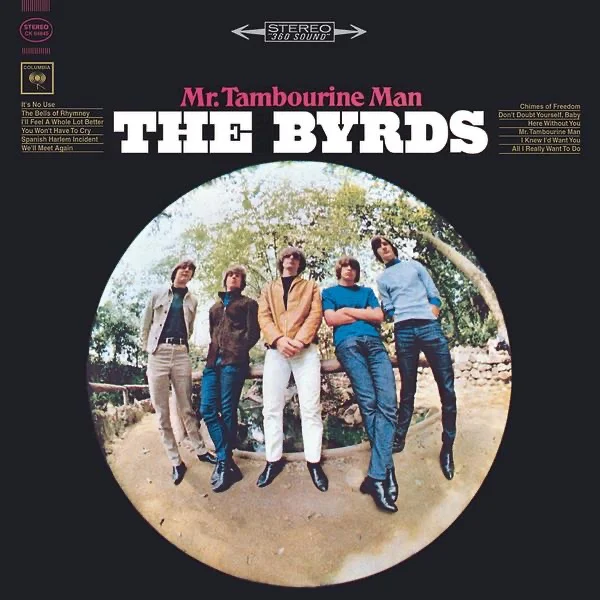
The Dawn of Folk Rock
Written by Bob Dylan but electrified by The Byrds, "Mr. Tambourine Man" is the song that launched the folk-rock movement. Released in 1965, it features the distinctive 12-string Rickenbacker guitar "jangle" and complex vocal harmonies that became the band's trademark.
To sing this well, you need to balance the conversational, storytelling nature of the verses with the rich, blended sound of the chorus. It's less about vocal acrobatics and more about rhythm, diction, and tone.
Phase 1: The Verses (Storytelling)
The lead vocal, originally sung by Roger McGuinn, sits in a comfortable mid-range (D3 to E4). The delivery should be relaxed and almost spoken-word in quality, reflecting Dylan's influence.
The Trap: It's easy to get behind the beat. The lyrics are wordy ("to be wandering in the evening's empire"), so you must anticipate the phrases to stay locked in with the rhythm section.
Phase 2: The Chorus (The Hook)
This is where the magic happens. The chorus opens up with "Hey! Mr. Tambourine Man, play a song for me." The melody lifts, and the energy increases.
- Resonance: Keep the sound bright and forward. A "chesty" or heavy tone will clash with the jangling guitar.
- Phrasing: Breathe deeply before the chorus. The lines are long and require sustained breath support to avoid fading out at the ends of phrases.
Phase 3: The Harmonies
The Byrds were famous for their three-part harmonies (McGuinn, Gene Clark, and David Crosby). If you are using the Singing Coach AI app, you can choose to sing the lead or practice the high tenor harmony parts.
The harmonies often sit a third or fifth above the melody. Precision is key here; sliding into notes (scooping) will make the chords sound muddy.