 Singing Coach AI
Mastering Southern Rock Phrasing
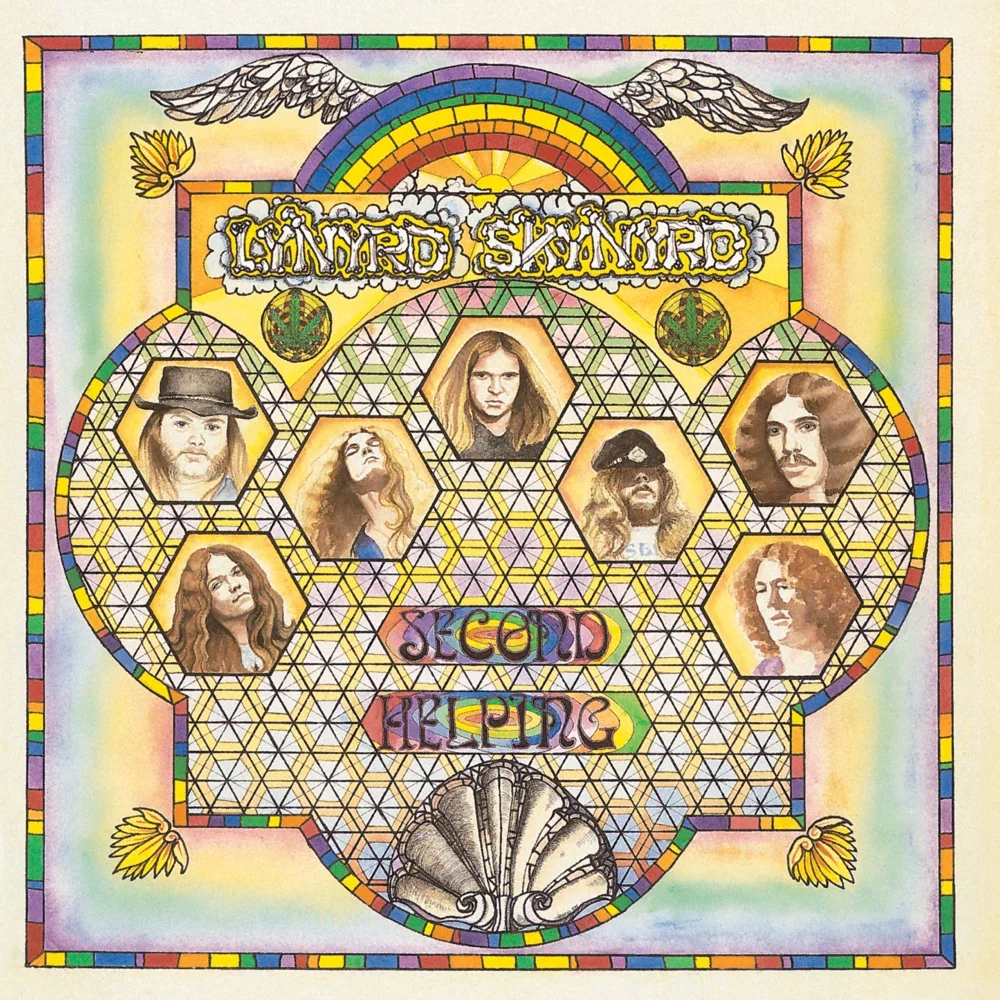
"Needle and the Spoon" from Lynyrd Skynyrd’s 1974 album Second Helping is a masterclass in blues-rock storytelling. Vocalist Ronnie Van Zant wasn't known for operatic range, but for his impeccable timing, conversational delivery, and raw attitude. This track is a cautionary tale, and your vocals need to reflect that gravity without losing the groove.
To sing this correctly, you need to abandon the "pretty" voice. This song requires a chest-heavy resonance and a relaxed, almost lazy jaw to capture that specific southern drawl. Let's break down the technique.
Phase 1: The Verses (Storytelling Mode)
The song opens with "Thirty days lord and thirty nights." This shouldn't be sung melodically smooth; it should be rhythmic. Think of the vocal melody as a percussion instrument.
The Trap: Many singers try to add too much vibrato here. Van Zant sang with a straight tone in the verses. Keep the pitch steady and focus on the diction of words like "throat" and "flight."
Phase 2: The Cautionary Chorus
The hook "Don't mess with the needle and the spoon" jumps up in energy. Here, you want to introduce "twang." This isn't country twang, but a pharyngeal resonance that helps your voice cut through the heavy electric guitars.
- The Spoon: Round out the vowel sound on "spoon" to OOO, dropping your jaw.
- Trip to the Moon: Use a slight vocal fry on the onset of "trip" to add grit.
- Take it Down: This section often features a "fall-off" where the pitch drops at the end of the line, typical of blues singing.
Phase 3: The "Quit" and Grit
Throughout the song, there are ad-libs and higher intensity moments. To achieve the grit found in Skynyrd songs without damaging your voice, you must use breath support to engage the false cords lightly. Do not squeeze your throat.
If you feel tickling or coughing, you are grinding your true vocal cords. Stop, drink water, and try to make the sound more "buzzy" and forward in your face mask.