 Singing Coach AI
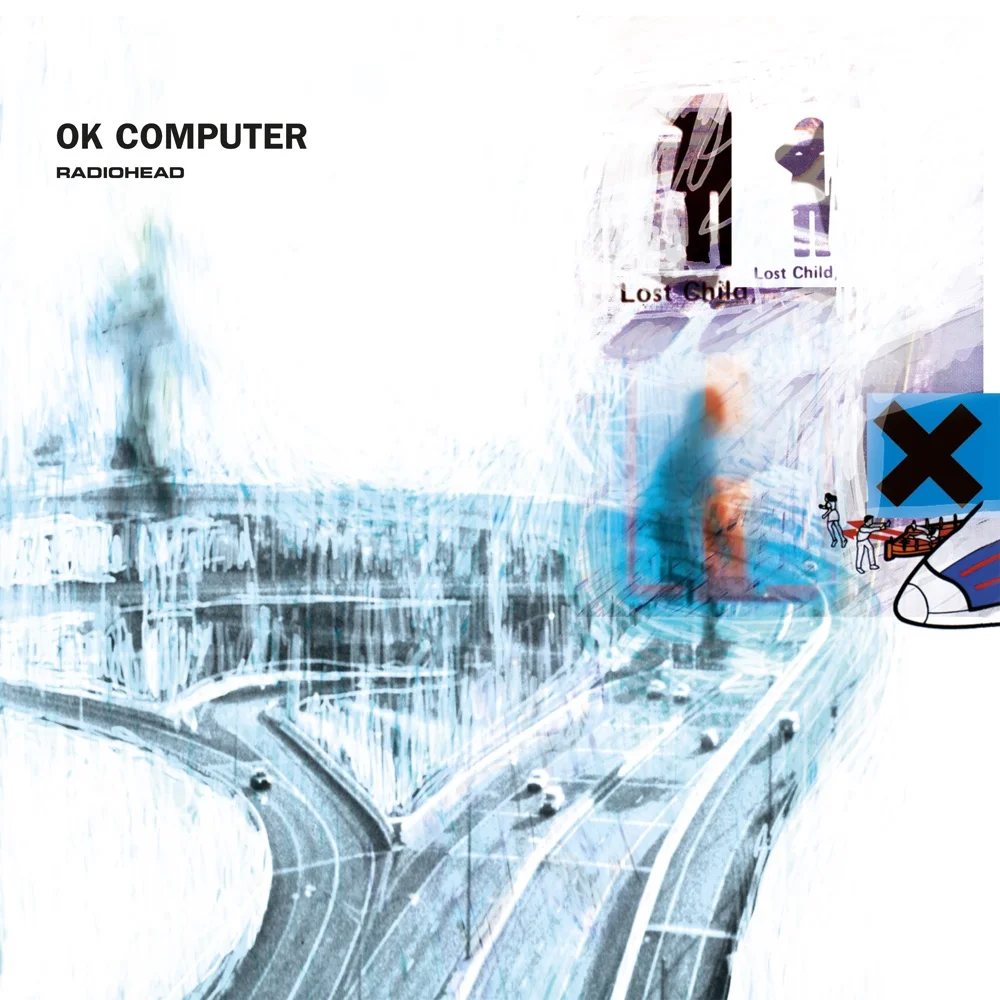
The Art of the Dystopian Lullaby
"No Surprises" is one of Radiohead's most beloved tracks from OK Computer. While it lacks the operatic gymnastics of "Bohemian Rhapsody," it presents a different challenge: restraint. Thom Yorke delivers the lyrics with a resignation that is almost unnerving, sounding like a nursery rhyme for the end of the world.
To sing this well, you must resist the urge to "perform." The beauty lies in the deadpan, steady delivery. You need excellent breath support to maintain the quiet volume without pitch wavering.
Phase 1: The Low Verses (0:20 - 1:20)
The verse melody ("A heart that's full up like a landfill") sits comfortably in the low register for a Baritone or Tenor, bottoming out around F2/G2. The challenge is clarity.
The Trap: When singing this low, many singers let their vocal cords become too loose, resulting in "vocal fry" or a creaky sound. Keep a slight engagement in your core to keep the air moving, even at low volumes.
Phase 2: The Chorus (1:20 - 1:50)
"No alarms and no surprises." This refrain is deceptively simple. It sits in the middle of the chest voice. The focus here is on the vowel shapes. Keep them narrow and tall. If you smile too wide while singing "surprises," the tone will become too bright and pop-like, ruining the somber mood.
Phase 3: The Bridge Intensity (2:25 - 2:50)
The line "Such a pretty house, and such a pretty garden" marks the emotional peak, though it remains understated. The melody climbs to its highest point (around D4/E4). You should stay in your chest voice here, but keep it light. Do not belt it.
Imagine you are singing to a sleeping child; you want to reach the note, but you don't want to wake them. This mental image helps engage the head resonance required to sing these notes softly.