 Singing Coach AI
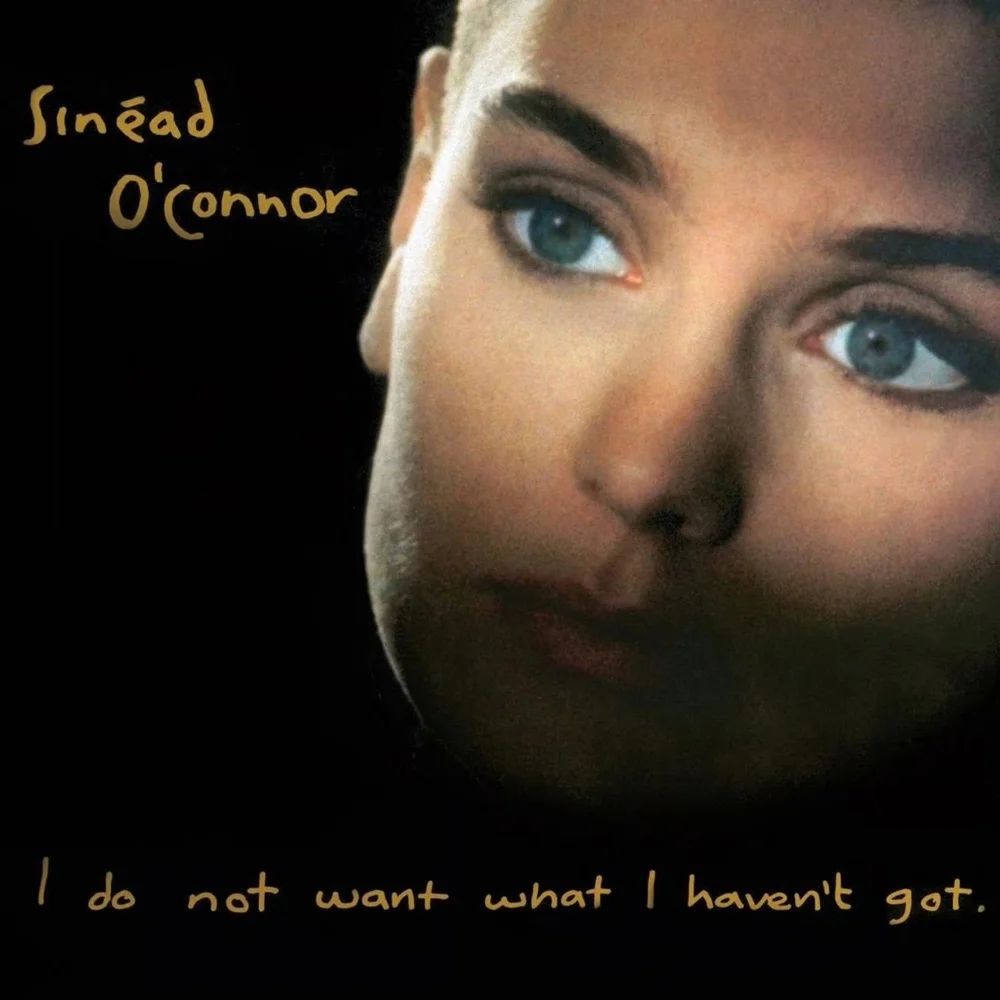
A Masterclass in Vocal Emotion
Originally written by Prince, Sinéad O’Connor's 1990 cover of Nothing Compares 2 U is iconic not for its complexity, but for its raw, unfiltered emotion. The song is a power ballad that demands patience. It sits primarily in F Major, utilizing a comfortable range for Mezzo-Sopranos and Tenors, but the challenge lies in the dynamic control.
Singing this track isn't about hitting high notes; it's about telling a story. You need to transition seamlessly from a breathy, intimate verse to a powerful, soaring chorus without losing the emotional thread.
Phase 1: The Intimate Verses
The song opens with "It's been seven hours and fifteen days." This needs to be sung with a 'speech-level' quality. The pitch sits low, around F3 to A3. Keep your volume at a mezzo-piano.
The Trap: Many singers try to add too much vibrato here. Sinéad sings the verses almost straight tone, reserving vibrato only for the very ends of the phrases. This creates a sense of loneliness and hollowness.
Phase 2: The Chorus Build
The chorus lifts the energy. The line "Nothing compares" jumps up in pitch and volume. This is where you switch from your chest voice to a head-dominant mix.
- Vowel Shapes: On the word "You" (2 U), modify the vowel towards "Eu" (as in 'book') rather than a sharp "Oo". This keeps the larynx neutral and prevents straining on the higher notes.
- Dynamics: The second chorus should be louder than the first. The AI Coach measures your dynamic range to ensure you are building intensity throughout the song.
Phase 3: The Climax & Bridge
The bridge ("I went to the doctor...") introduces a new melodic idea. The emotional peak hits when she belts the C5. This note needs to ring out.
To achieve Sinéad's signature sound, don't be afraid of the "vocal crack." She often flips rapidly from chest to head voice to simulate crying. It’s an advanced stylistic choice that adds immense emotional weight to the performance.