 Singing Coach AI
Mastering Southern Gothic Vocals
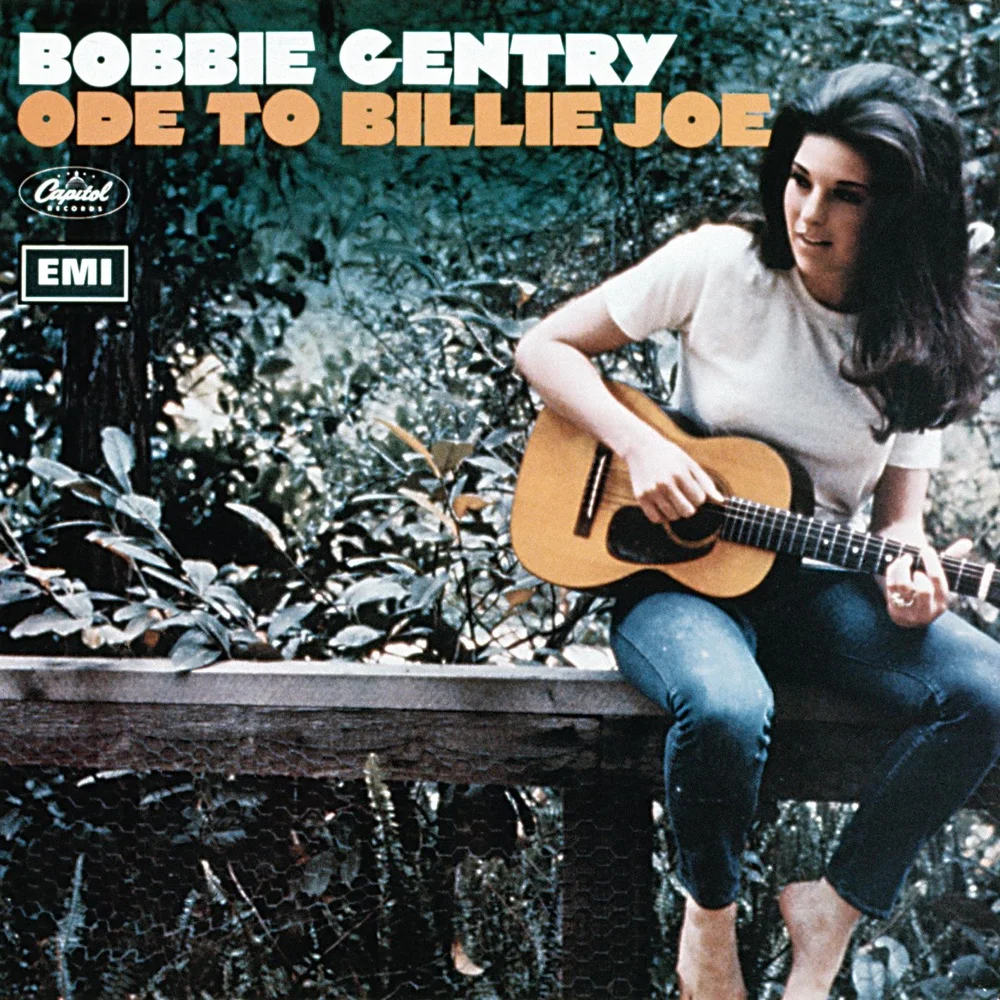
Ode To Billie Joe is a masterpiece of minimalism. Released in 1967, Bobbie Gentry's vocals are stripped back, husky, and deeply rhythmic. Unlike power ballads, this song requires restraint. You are telling a tragic story over a dinner table conversation, and the vocal delivery must reflect that contrast.
To sing this well, you need to access your lower chest register without forcing it. The song sits comfortably for Altos and Contraltos, but Sopranos may need to focus on relaxing their larynx to reach the low D3 notes with sufficient warmth.
Phase 1: The Narrative Verses
The verses are long and wordy. The key here is breath control—not for power, but for endurance. You need to sing long phrases like "It was the third of June, another sleepy, dusty Delta day" without gasping for air.
The Technique: specific attention must be paid to the rhythm. The vocal line weaves in and out of the guitar strum. Practice speaking the lyrics in time with a metronome before you try to sing them. This is known as "rhythmic recitation."
Phase 2: The "Husky" Tone
Bobbie Gentry uses a texture that is often described as "smoky" or "raspy." To achieve this safely:
- Relax the Jaw: Tension in the jaw will brighten the sound, which you want to avoid here.
- Chest Resonance: Feel the vibration in your sternum, especially on the lower notes.
- Volume Control: Do not belt. Sing at a volume of 3 or 4 out of 10. The microphone (or your phone) will do the work.
Phase 3: The Refrain
The line "And threw him off the Tallahatchie Bridge" is the emotional anchor of the song. It should be delivered with a slightly haunting, detached quality. Avoid adding too much vibrato; a straight tone works best to convey the starkness of the Southern Gothic style.