 Singing Coach AI
The Definition of a "Legit" Soprano
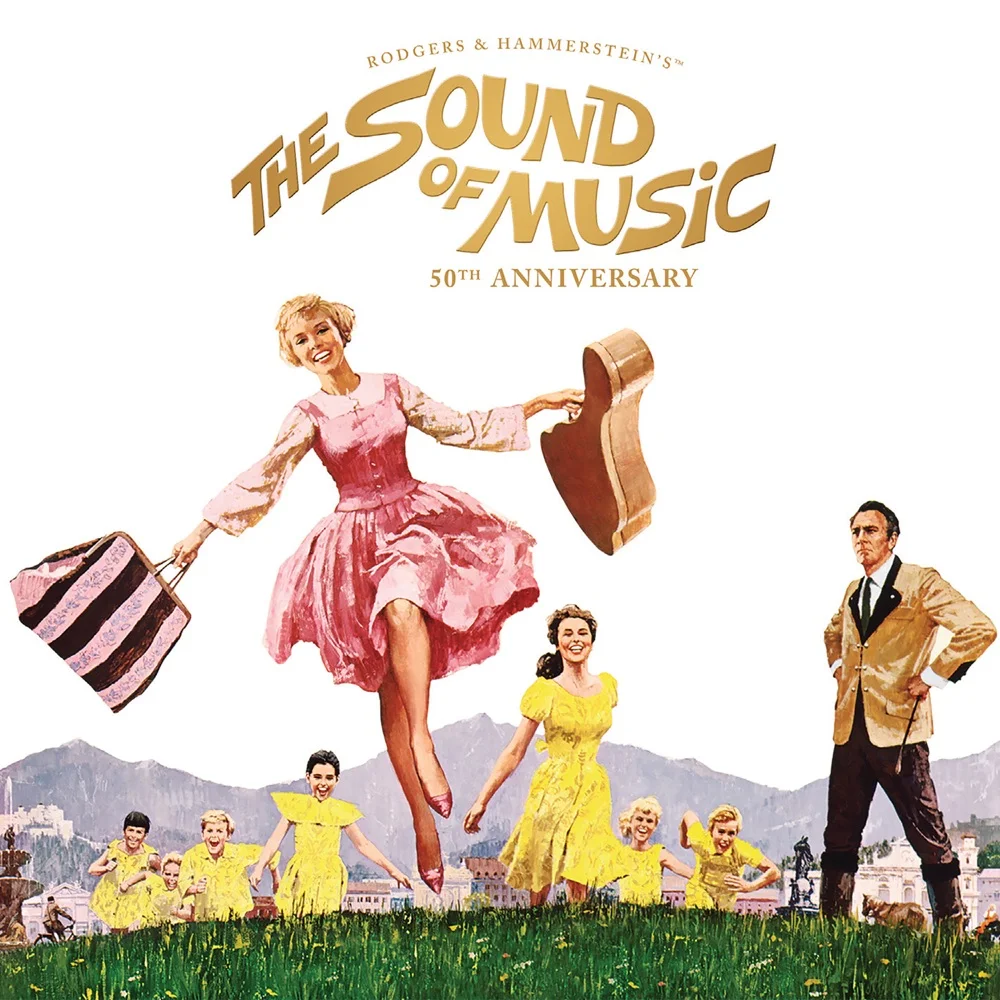
The opening to the 1965 film The Sound of Music is one of the most recognizable moments in cinema history. Julie Andrews delivers a masterclass in what musical theatre experts call "legit" singing—a style rooted in classical technique, prioritizing a pure, resonant tone over the breathier or heavier sounds found in pop or belt-style theatre.
Singing Prelude and The Sound of Music requires incredible breath management. The phrases are long and expansive, mirroring the imagery of the Alps. Let's break down how to achieve that effortless Julie Andrews sound.
Phase 1: The Prelude (The Hills Are Alive...)
The song begins in F Major. The famous entry "The hills are alive" starts on the 5th of the scale (C). The challenge here is the interval jump of a sixth up to "hills."
The Trap: Sliding or "scooping" up to the note. You must hit the pitch dead center. Keep your jaw relaxed and your vowel tall on "alive" to maintain the classical shape required for this genre.
Phase 2: Breath & Phrasing
As you move into "With songs they have sung for a thousand years," the pacing is critical. Julie Andrews uses very little vibrato at the start of the note, allowing it to bloom at the end.
You need to resist the urge to breathe in the middle of a sentence. Practice taking a deep, low breath (expanding the ribcage 360 degrees) before the phrase starts so you can sustain the line all the way to the end without gasping.
Phase 3: The Climax (I Go To The Hills)
This section demands a shift in energy. "I go to the hills when my heart is lonely" moves higher in the tessitura. This should not be belted in chest voice.
To hit these notes safely, lift your soft palate (as if suppressing a yawn) and create space in the back of your throat. This allows your head voice to resonate fully, giving you that crystalline, soaring quality associated with the song.