 Singing Coach AI
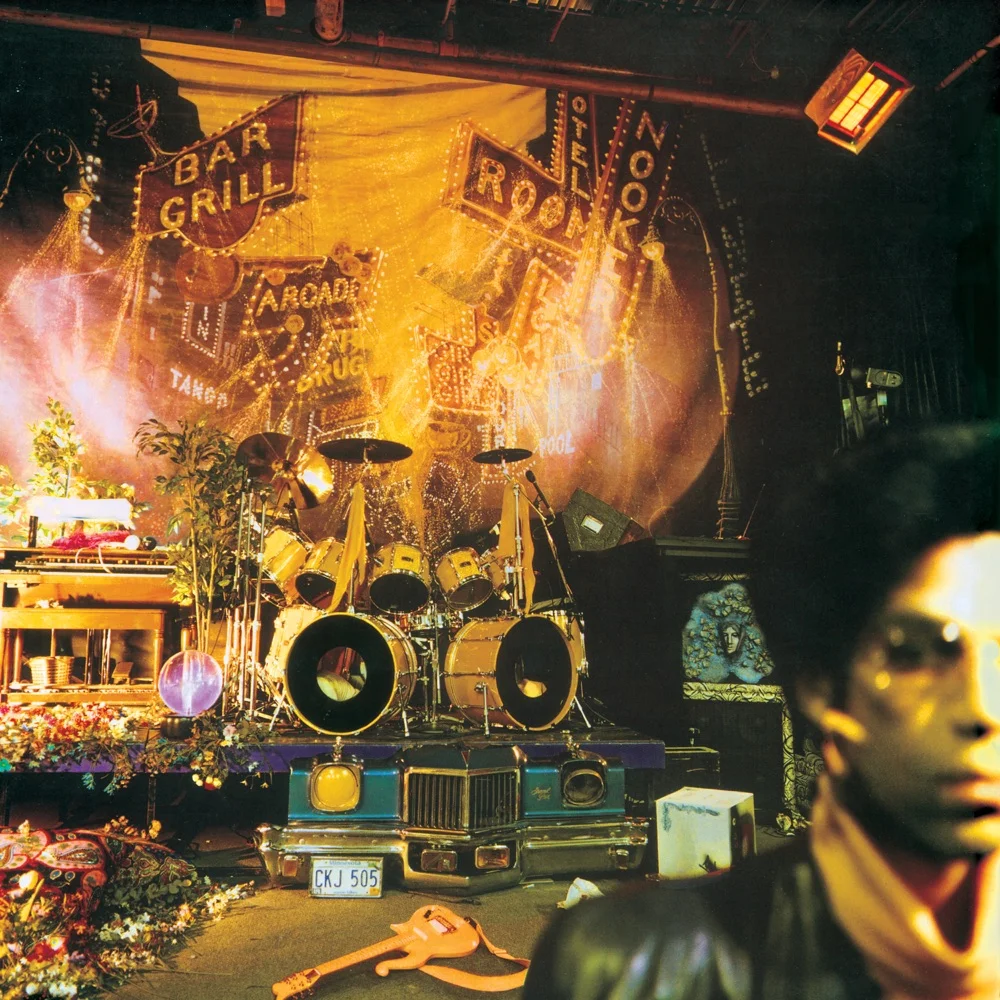
A Masterclass in Minimalist Funk
Released as the lead single from his 1987 double album, "Sign o’ the Times" is one of Prince's most stark and compelling vocal performances. Notably, the track features almost no bass line, leaving the drum machine and the vocals as the driving force. This means there is nowhere to hide.
Unlike power ballads that rely on sustained high notes, this song relies on "the pocket"—your ability to sit perfectly on the beat while delivering socially conscious lyrics with a cool, detached attitude. It blends bluesy chest voice with Prince's signature falsetto nuances.
Phase 1: The Deadpan Verse
The song is primarily sung in C Minor blues. Prince uses a "talk-singing" technique here. It’s not quite rap, but it’s not fully melodic singing either. It sits in a comfortable mid-range for Tenors and Baritones.
The Trap: Trying to sing it too "prettily." The delivery should feel slightly urgent and serious. Keep the tone dry and reduce your vibrato significantly during the verses.
Phase 2: The Falsetto Flicks
Throughout the song, Prince jumps up an octave for emphasis. You'll hear this on the "Oh yeah" ad-libs and the end of certain phrases. This requires a flexible voice that can bridge the gap between chest and head voice instantly.
- The "Time" Motif: When singing the title lyric, ensure you slide off the note with a bit of a bluesy fall.
- Ad-libs: These are high energy. If you can't hit the high G5s in falsetto, stick to the main melody, but keep the rhythmic intensity up.
Phase 3: The Attitude
This is a protest song disguised as a dance track. The lyrics cover AIDS, gang violence, and poverty. Your vocal performance needs to reflect that weight without becoming melodramatic. It’s a delicate balance of cool funk and genuine concern.
Focus on the rhythmic syncopation. You want to be slightly behind the beat (laid back) rather than rushing ahead of the drum machine.