How to sing Someday

Analyze your vocal range against Julian Casablancas' indie anthem. Get real-time feedback on pitch, timing, and grit.

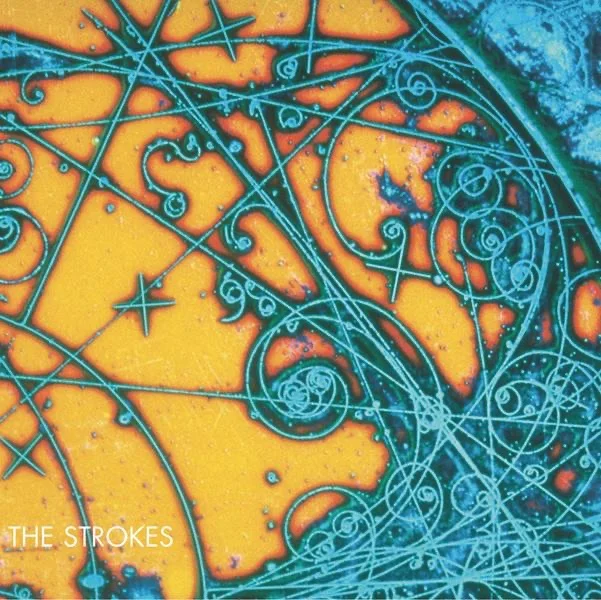
Album cover for Someday by The Strokes

Someday

The Strokes • 2001

COMMUNITY AVG SCORE

72/100

Most users struggle with rhythmic phrasing.

Song DNA

Before you record, know the numbers. This track relies less on range and more on attitude, diction, and breath support.

Medium
Difficulty
A2 - F#4 Vocal Range
Baritone Best Voice Type
A Major Key Signature
3:03 Duration
Chest Register

Top Performances this Week

Can you beat these scores? Download the app to get ranked.

1
96% Score
2
93% Score
3
89% Score
View full leaderboard in app →

Mastering the "Too Cool to Care" Vocal

Released in 2001 on the seminal album Is This It, "Someday" by The Strokes defines the garage rock revival sound. Julian Casablancas' vocal performance is a masterclass in controlled nonchalance. It sounds lazy, but it is musically precise.

Unlike power ballads that require massive range, this track requires attitude, rhythmic lock, and the ability to maintain a consistent chesty tone while delivering rapid-fire lyrics. Let's break down the mechanics of the song.

AI Coach Tip: Lazy vs. Sloppy

Many singers confuse Julian's style with singing off-beat. Our analysis shows he is almost perfectly on the grid. Keep your diction crisp, even if your tone is "slurred." Don't drag the tempo.

Phase 1: The Verse Rhythm (0:18 - 0:52)

The verses ("In many ways, they'll miss the good old days") are delivered in a staccato, eighth-note rhythm. The melody hovers around C#3 and D3.

The Trap: Running out of breath. The lines are long and continuous. You must take quick "sip" breaths between phrases to maintain the driving energy without sounding gaspy.

Phase 2: The Pre-Chorus Climb

The line "I say alone we stand, together we fall apart" introduces a slight melodic lift. You need to brighten your vowels here. Instead of a deep "Uh" sound, think of a wider "Ah" sound to help the voice cut through the guitars.

Phase 3: The Chorus Hook

The chorus ("I ain't wasting no more time") jumps up to the highest part of the chest voice range for this song (F#4). This isn't a belt in the traditional pop sense; it's a shouty, garage-rock texture.

To achieve the "radio filter" sound naturally, keep your placement forward in the mask (the front of your face/nose) but don't pinch your nose. This creates that mid-range frequency boost characteristic of The Strokes.

Frequently Asked Questions

What is the highest note in Someday?

The highest consistent note in the melody is an F#4. It sits comfortably in the break for many baritones, requiring a strong chest mix.

Do I need a distortion effect to sing this?

While the original recording uses overdrive processing, you should learn to sing it clean first. You can add "grit" by slightly compressing your vocal cords, but prioritize pitch accuracy first.

What voice type is Julian Casablancas?

Julian is a Baritone. His lower range is rich and warm, but he frequently pushes into a strained upper-mid range for stylistic effect.

Don't just sing in the shower.

Get actionable feedback on Someday and 1000+ other songs instantly.

Download on App Store